Manure Lagoon Case Study: Farm Improves Nutrient Value & Reduces Sludge
A Wisconsin farm relied on a manure lagoon to store liquid manure and supply nutrient-rich slurry for field application, but ongoing sludge accumulation, surface scum, and strong odors were reducing lagoon efficiency and making agitation and pumping more difficult. The producer needed to improve manure management while maximizing the fertilizer value of the lagoon and controlling phosphorus levels that can restrict application rates under nutrient management plans. Enhancing manure lagoon performance while increasing the agronomic value of the liquid manure became a priority for both operational efficiency and crop fertility.
Before

Prior to treatment, the manure lagoon showed clear signs of biological imbalance, including significant sludge buildup on the lagoon floor and a persistent scum layer across the surface. These conditions contributed to stronger odors, more challenging agitation, and reduced pumping efficiency. Nutrient analysis indicated a manure profile delivering lower levels of plant-available nitrogen and potassium, while phosphorus remained a limiting factor for land application. As a result, the farm was not capturing the full fertilizer value of its liquid manure and faced operational constraints when applying lagoon slurry as a crop nutrient source.
After
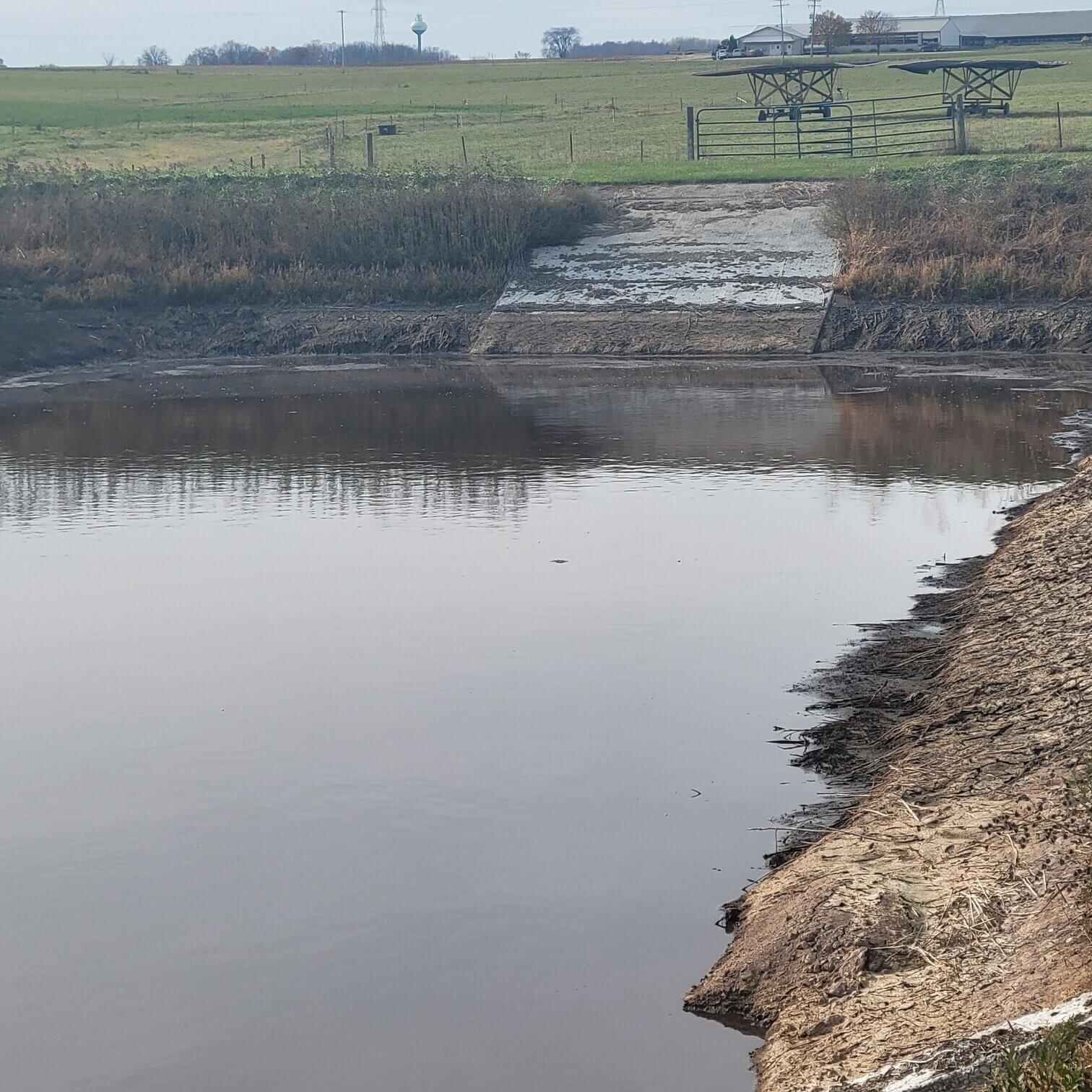
After implementing Pit Puck microbial tablets for manure lagoons, the farm observed a cleaner, more biologically active lagoon with substantially reduced sludge, diminished surface scum, and noticeably lower odor during storage and agitation. Laboratory analysis confirmed a measurable improvement in manure nutrient quality, including an additional 64.6 lbs of usable nitrogen per acre at a 20,000 gallon application rate, helping strengthen crop fertility while reducing dependence on commercial nitrogen fertilizers. Potassium increased, delivering 71.6 more lbs per acre, further enhancing the manure’s value as a fertilizer source. At the same time, phosphorus decreased by 13.4 lbs per acre, a significant advantage due to phosphorus limiting manure application rates, allowing the producer greater flexibility within nutrient management guidelines. Sulfur declined by 5.8 lbs per acre, supporting a more balanced nutrient profile. These field results demonstrate how targeted microbial treatment can improve manure lagoon performance, support more efficient manure management, increase plant-available nutrients, reduce odor, and convert stored manure into a higher-value fertilizer resource for crop production.
Cold Weather Wastewater Treatment With 92% Activity at 4°C
Cold weather wastewater treatment becomes significantly more challenging as temperatures fall and microbial metabolism slows. Biological activity can decline by up to 50% in winter conditions, making it difficult for facilities to maintain BOD removal, control sludge accumulation, and prevent nutrient release that can contribute to odors and seasonal treatment instability. Most conventional wastewater bacteria slow dramatically below 10°C (50°F), limiting the effectiveness of standard bioaugmentation programs. As a result, lagoons, ponds, and industrial wastewater treatment systems often struggle to maintain consistent performance near freezing temperatures, increasing the risk of process upsets and delayed spring recovery.
Before

Prior to treatment, cold wastewater conditions severely limited biological performance, a common operational challenge in industrial wastewater treatment during winter months. Competitor products retained only 1% to 5% biological activity at 4°C (39°F) compared to warmer conditions, and untreated dairy and pulp and paper wastewater demonstrated minimal BOD reduction. Reduced microbial populations increased the likelihood of sludge carryover, nutrient spikes, odor potential, and slower recovery following flow fluctuations or seasonal loading changes. Without effective low temperature bioaugmentation, operators faced declining treatment efficiency precisely when process stability was most critical.
After
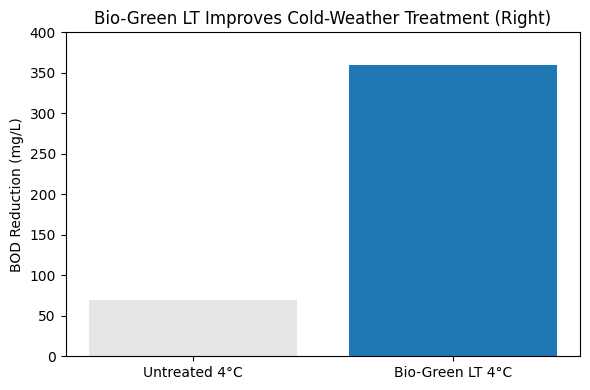
Low Temperature (LT) is a specialized low temperature wastewater bacteria blend designed for reliable cold weather bioaugmentation and consistent treatment performance in challenging environments. Testing showed LT maintained approximately 92% of its biological activity at 4°C (39°F) relative to performance at 25°C (77°F), helping facilities maintain biological activity in cold temperatures when conventional bacteria typically underperform. Measurable BOD reduction was observed in both dairy and pulp and paper industrial wastewater at cold and moderate temperatures over a three day period, confirming dependable cold weather wastewater treatment capability. By sustaining an active microbial population, LT helped control sludge buildup, support nutrient balance, improve hydraulic resilience during variable flows, and stabilize system performance heading into spring startup. The result is more reliable winter wastewater treatment, reduced operational risk, and stronger year round biological performance for facilities operating in low temperature conditions.
Onsite Soil Treatment of Petroleum Hydrocarbons with Bacteria
An industrial site exhibited severe soil contamination from long-term petroleum exposure, with total petroleum hydrocarbons (C10–C40) measured at approximately 20,000 ppm, oil and grease concentrations near 1,100 mg/kg, and elevated sulfate levels in soil porewater, resulting in visible petroleum staining, strong hydrocarbon odors, and regulatory non-compliance requiring active remediation.
Before
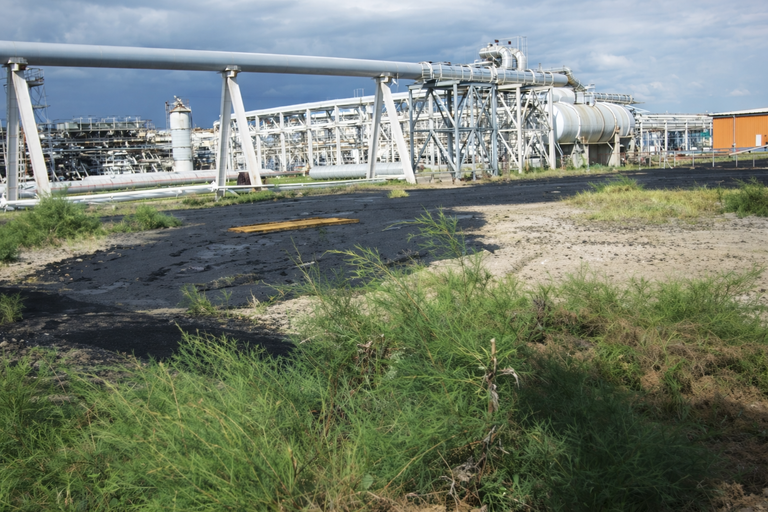
Before treatment, the soil showed heavy petroleum staining, persistent hydrocarbon odors, and poor biological activity, indicating that natural attenuation was insufficient to reduce petroleum hydrocarbons to acceptable levels without intervention.
After
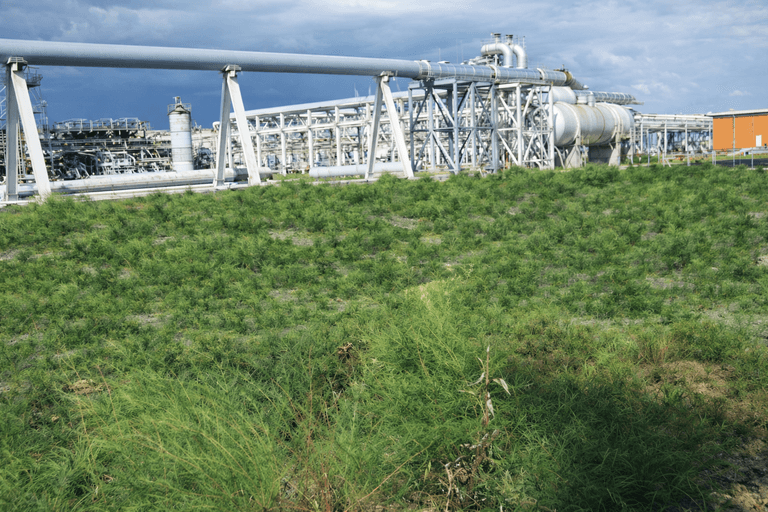
Petroleum Treat (PT) was applied as a high-CFU petroleum hydrocarbon degrading bacteria blend within a controlled bioremediation program in which contaminated soil was placed into windrows on site, biologically treated, and then returned to its original condition after remediation; post-treatment analysis showed total petroleum hydrocarbons (C10–C40) reduced from approximately 20,000 ppm to 650 ppm, oil and grease reduced from 1,100 mg/kg to 45 mg/kg, and sulfate levels in soil porewater reduced by approximately 50 percent, with visible petroleum staining eliminated and hydrocarbon odors substantially reduced, confirming effective windrow-based petroleum bioremediation.
Oil Water Separator Wastewater Treatment With TPH Reduction
A municipal oil water separator servicing 29 automotive repair garages was experiencing extreme petroleum contamination, with total petroleum hydrocarbons (TPH) measured at 22,940 mg/L, far exceeding the city discharge limit of 100 mg/L. Persistent hydrocarbon loading overwhelmed physical separation alone, forcing frequent pump outs, high disposal costs, and ongoing regulatory risk.
Before
Prior to biological treatment, the oil water separator required repeated pumping to manage accumulated petroleum hydrocarbons. TPH levels remained consistently elevated, averaging over 22,000 mg/L, and the municipality incurred approximately $16,000 per year in pumping and disposal costs while still struggling to maintain discharge compliance.
After
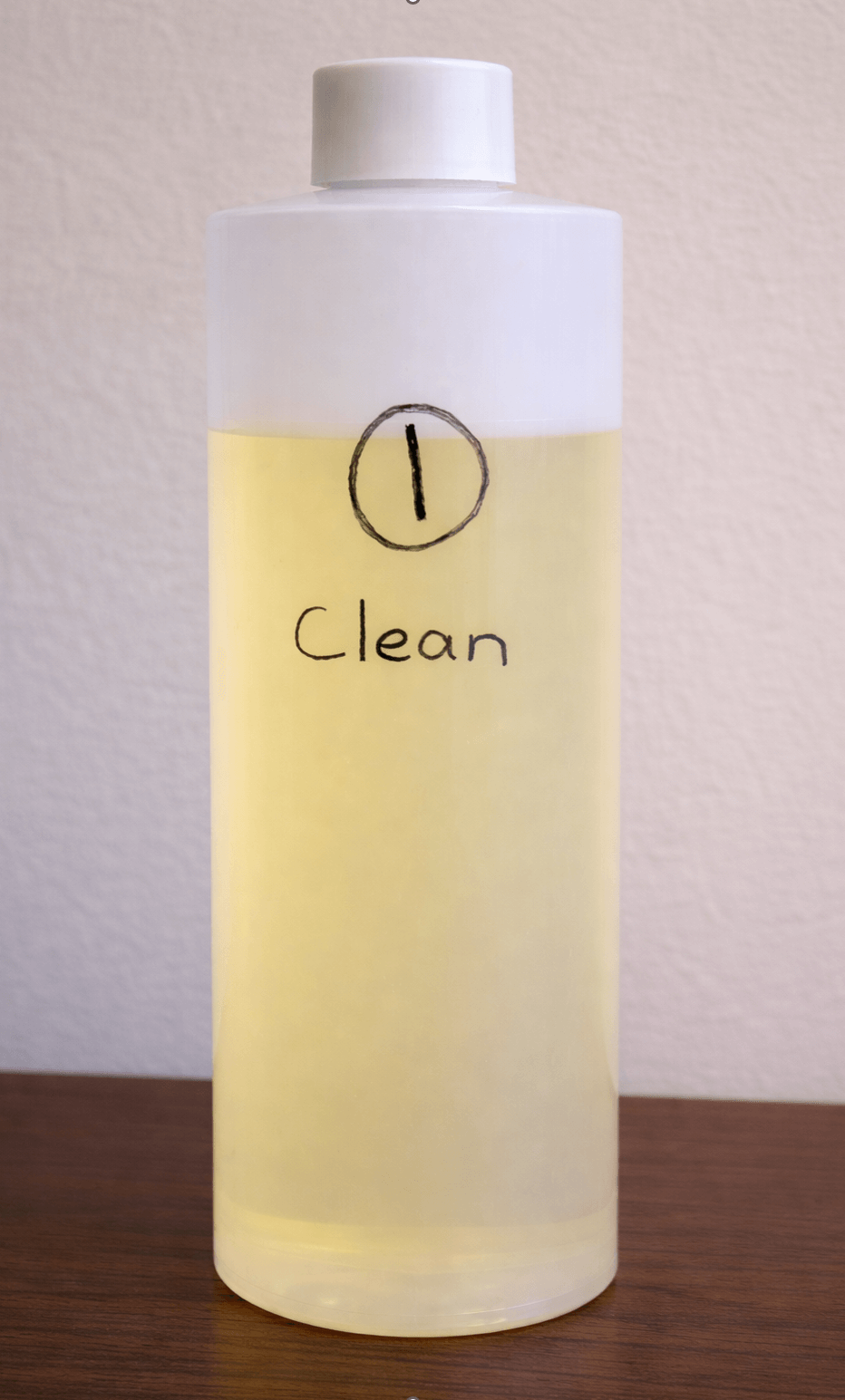
Petroleum Treat (PT) Liquid was applied continuously via metering pump, enabling active biological degradation of petroleum hydrocarbons within the separator. TPH concentrations were reduced from 22,940 mg/L to 614 mg/L within 45 days and further reduced to 79 mg/L by day 120, achieving and maintaining regulatory compliance. Once biological treatment stabilized, routine pumping was eliminated entirely, reducing annual pumping costs from $16,000 to $0 while sustaining long-term wastewater treatment performance.
Soil Remediation with Petroleum Degrading Bacteria
A petroleum-contaminated soil site exhibited extremely high total petroleum hydrocarbon (TPH) concentrations dominated by mid- and long-chain fractions. Strong hydrocarbon odors and the presence of heavy petroleum compounds created long projected remediation timelines using conventional biological approaches. The project required a high-CFU microbial solution capable of accelerating petroleum degradation and reducing overall cleanup duration.
Before
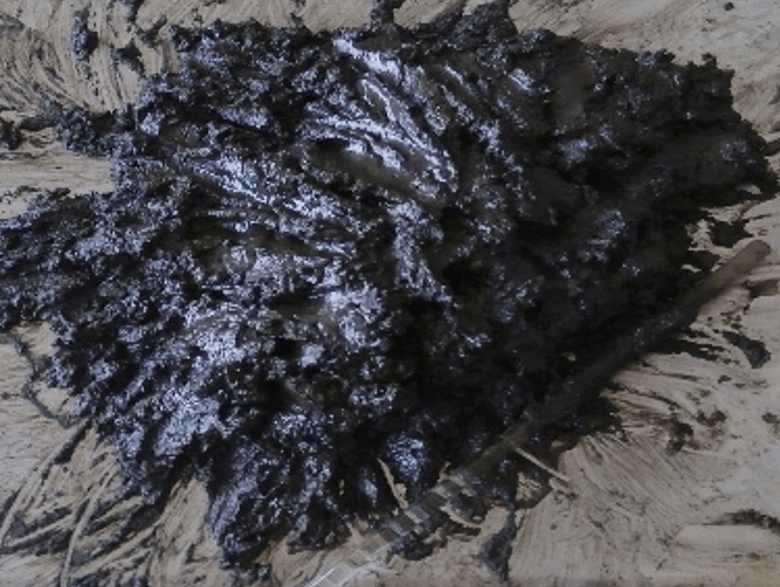
Initial soil analysis showed severe petroleum contamination across multiple carbon ranges, including C15–28, C29–36, and C37–40 fractions. TPH concentrations exceeded 15,000 ppm in several fractions, with strong petroleum odors indicating active volatile and semi-volatile hydrocarbons. Based on baseline conditions, traditional remediation methods were expected to require extended treatment periods to achieve meaningful reduction.
After
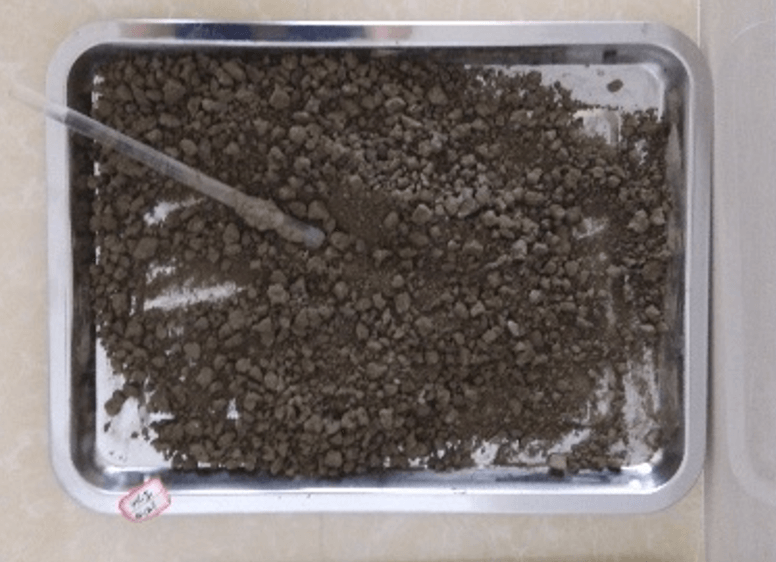
After only 15 days of treatment, Petroleum Treat (PT) achieved significant TPH reduction across all measured hydrocarbon fractions and fully eliminated petroleum odors within the first 8 days. Laboratory results showed PT consistently outperformed two competing microbial products, delivering up to 73 percent reduction in heavy C37–40 hydrocarbons and substantially higher removal across mid-range fractions. These results reflect early-stage biodegradation only. Continued application and treatment time will further reduce remaining hydrocarbons as microbial activity continues to mineralize residual petroleum compounds. The data confirms Petroleum Treat’s ability to rapidly initiate and sustain petroleum bioremediation, significantly shortening cleanup timelines for high-TPH soil remediation projects.
Trichoderma Inoculant Improves Green Pepper Growth and Yield
Green pepper production suffered under poor soil conditions, with limited microbial activity and nutrient cycling. In this trial, peppers were grown in low-quality soil with no fertilizer applied, creating challenging conditions for root development, vegetative growth, and yield. The objective was to evaluate whether a high-CFU, OMRI Listed multi-strain Trichoderma inoculant could improve plant performance compared to untreated controls.
Before
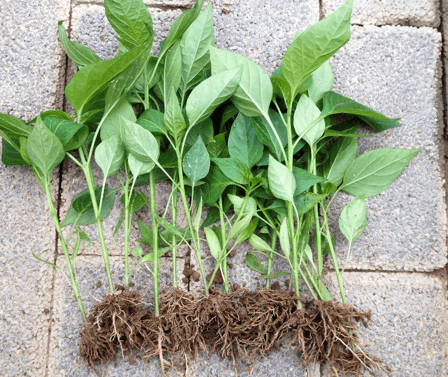
Untreated control plants grown under the same conditions showed slower growth, thinner foliage, reduced root mass, and limited yield development. Poor soil biology restricted early establishment and overall plant vigor, resulting in lower productivity at harvest.
After
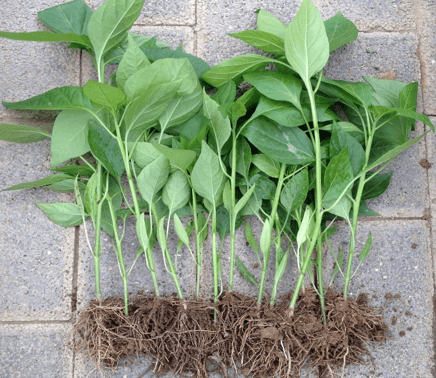
Green pepper plants treated with Multi-Tricho soil inoculant demonstrated visibly stronger growth, thicker leaves, and significantly greater root mass compared to the control. At harvest, treated plants produced 156 g of peppers versus 63 g in the control, representing a 147% yield increase despite no fertilizer input. The results highlight how a multi-strain Trichoderma inoculant can enhance root development, support soil biological activity, and improve crop performance and yield under challenging soil conditions.
Multi-Strain Trichoderma Improves Turf Germination & Early Growth
Establishing uniform germination and early growth in turfgrass can be challenging under intensive production systems. In Mustang III turf, inconsistent emergence and uneven early growth limited stand quality and delayed establishment. The trial aimed to evaluate whether a high-CFU, OMRI Listed multi-strain Trichoderma inoculant could improve germination rate and early vegetative growth compared to untreated controls, and to identify the most effective application rate.
Before
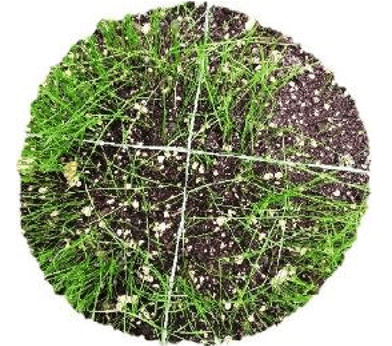
Plots receiving only water and standard nutrition showed slower germination and reduced early growth. Turf emergence was less uniform, and overall plant height development lagged compared to treated areas, indicating limited root-zone biological activity during early establishment.
After
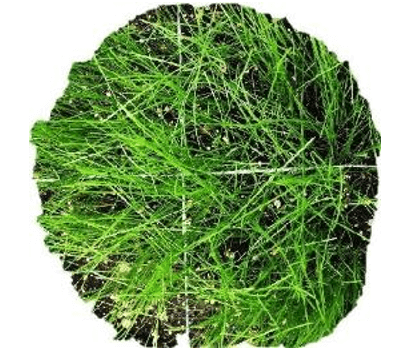
Weekly applications of Multi-Tricho significantly improved both germination and early growth compared to the control. Treated plots demonstrated faster, more uniform turf establishment and increased plant height, with the higher application rate delivering the strongest performance. By enhancing root-zone biological activity and supporting early root development, the multi-strain Trichoderma inoculant improved stand consistency and early vigor in Mustang III turfgrass.
Trichoderma Inoculant Improves Root Development and Plant Performance
Growers operating under intensive soil and hydroponic production systems experienced weak root development, transplant stress, uneven establishment, and inconsistent plant performance. Limited rhizosphere activity and insufficient microbial support reduced nutrient uptake efficiency, slowed early growth, and negatively impacted plant survival and yield potential.
Before
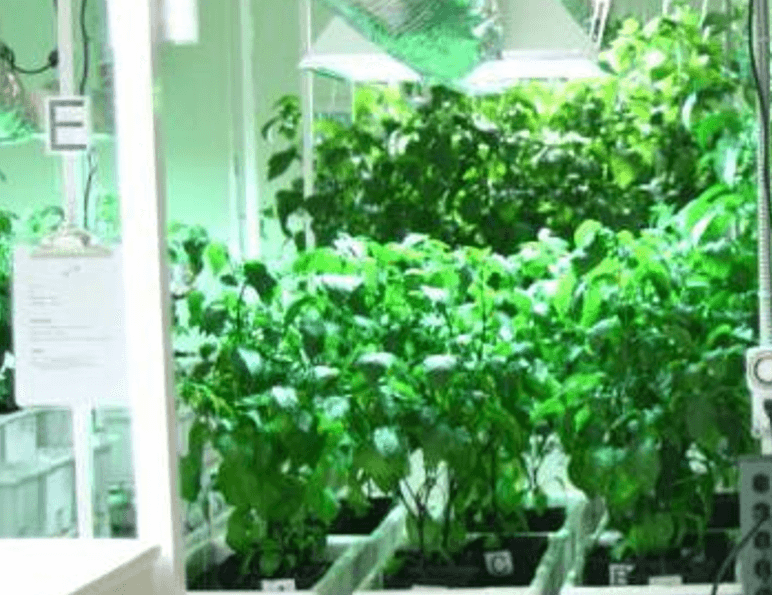
Prior to treatment, plants receiving standard nutrient solutions or water alone showed reduced root length and root mass, lower transplant survival, slower vegetative growth, and smaller leaf area. Control plants exhibited weaker root systems, delayed development, and lower overall productivity compared to biologically treated plants.
After
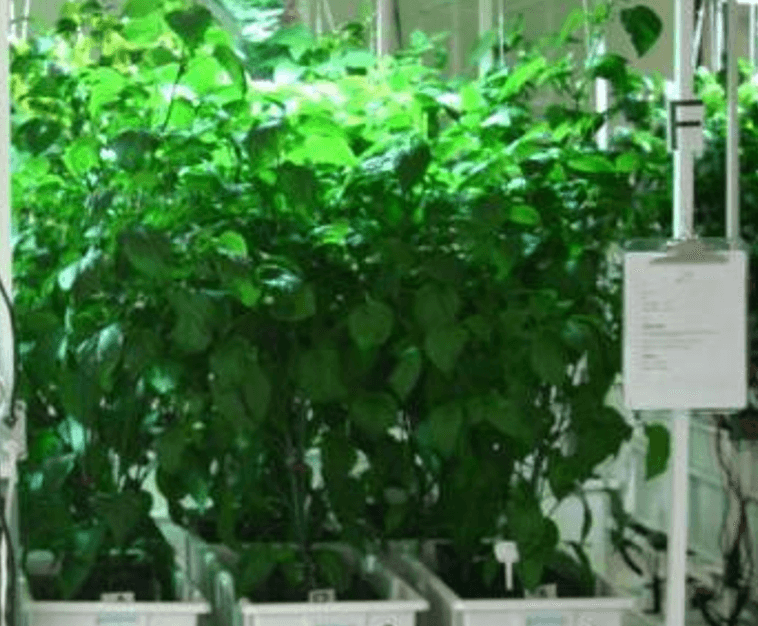
Following application of a high-CFU multi-strain Trichoderma inoculant, plants showed substantially stronger root development, increased root mass and length, improved transplant survival, and faster vegetative growth. Treated plants exhibited greater plant height, increased foliage, improved uniformity, and higher fruit production compared to untreated controls and a commercial Trichoderma benchmark. The results demonstrate improved rhizosphere balance, root vigor, and overall plant performance under intensive growing conditions.
Grease Trap Treatment With FOG Reduction and Odor Control
A commercial grease trap servicing a food preparation facility in Columbia was experiencing excessive fats, oils, and grease buildup that led to persistent odors, frequent pumping, and declining trap performance. Heavy grease loading and limited biological activity caused recurring blockages and odor complaints, increasing maintenance costs and operational disruptions.
Before
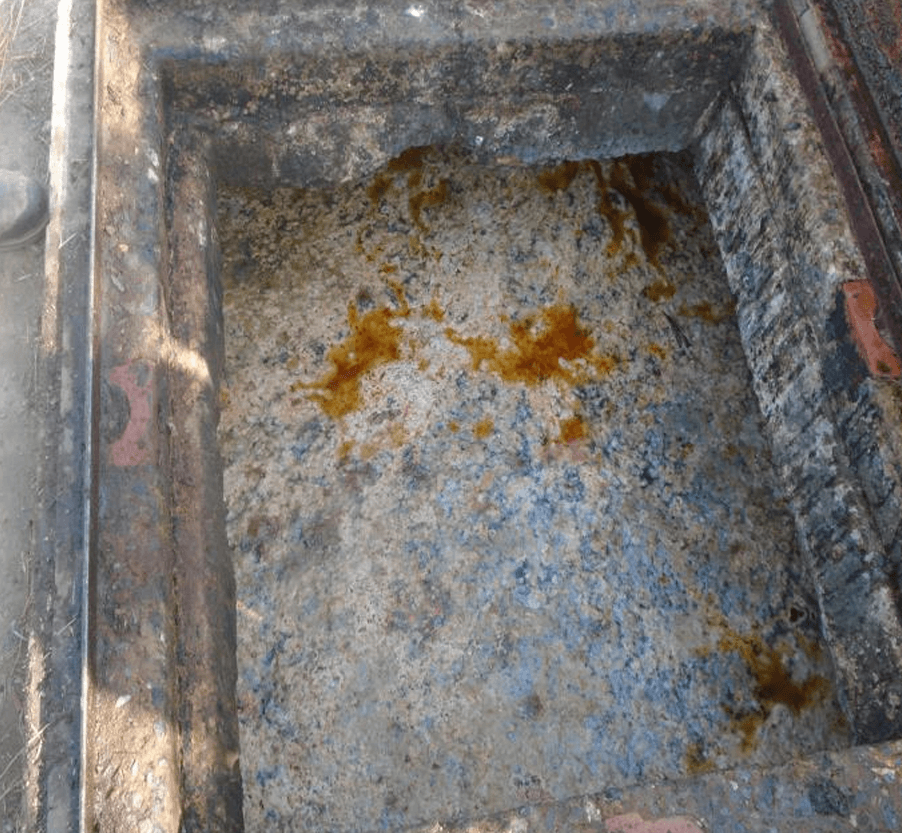
Prior to treatment, the grease trap contained thick surface grease, hardened deposits along the walls, and visible solids accumulation. Strong odors were present, indicating elevated volatile fatty acids and hydrogen sulfide activity. Even after cleanouts, grease rapidly re-accumulated, requiring frequent service and ongoing odor management.
After
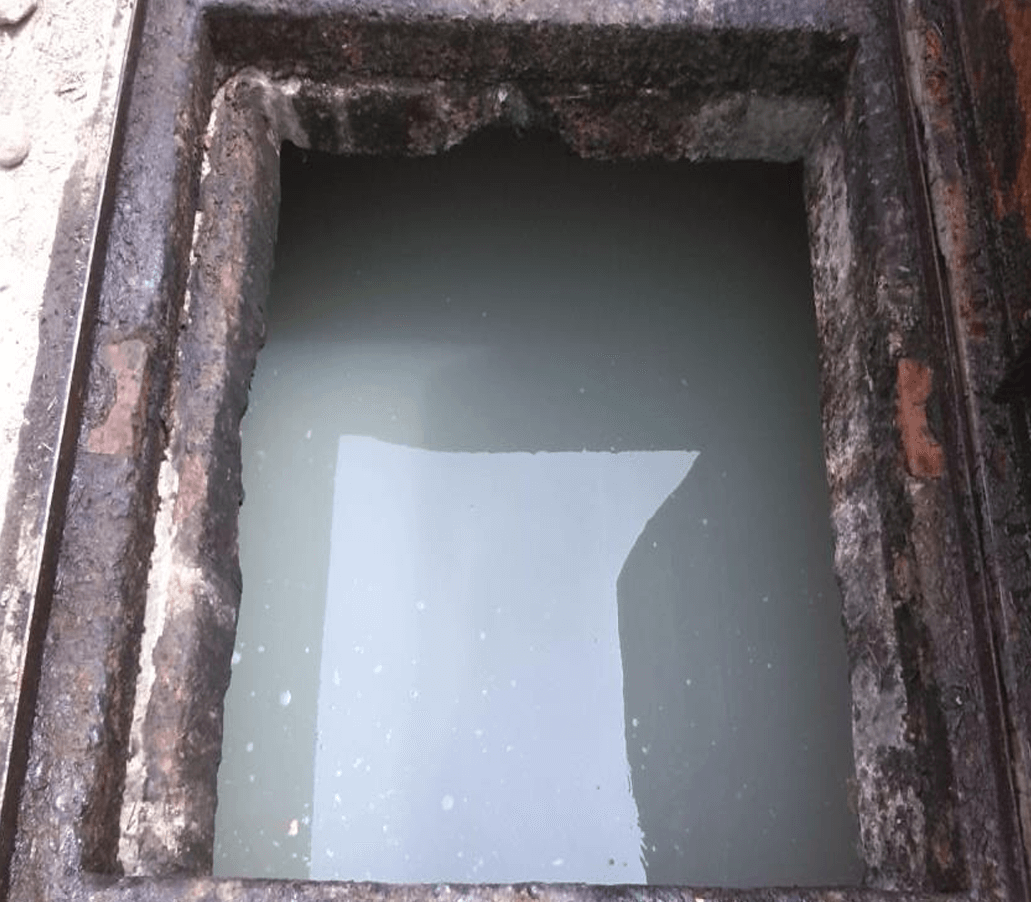
After three months of continuous treatment, the grease trap showed visibly cleaner conditions with minimal grease accumulation and no detectable odors. Flow through the trap improved, grease buildup between pump-outs was significantly reduced, and routine
Golf Course Thatch Reduction With Biological Thatch Control
A golf course was experiencing severe thatch accumulation across managed turf areas, creating a dense organic layer that restricted water infiltration, oxygen exchange, and nutrient movement into the rootzone. The excessive thatch negatively affected turf firmness, playability, and overall surface performance. Mechanical verticutting and aggressive dethatching were considered undesirable due to labor demands, surface disruption, and extended downtime on active playing areas.
Before
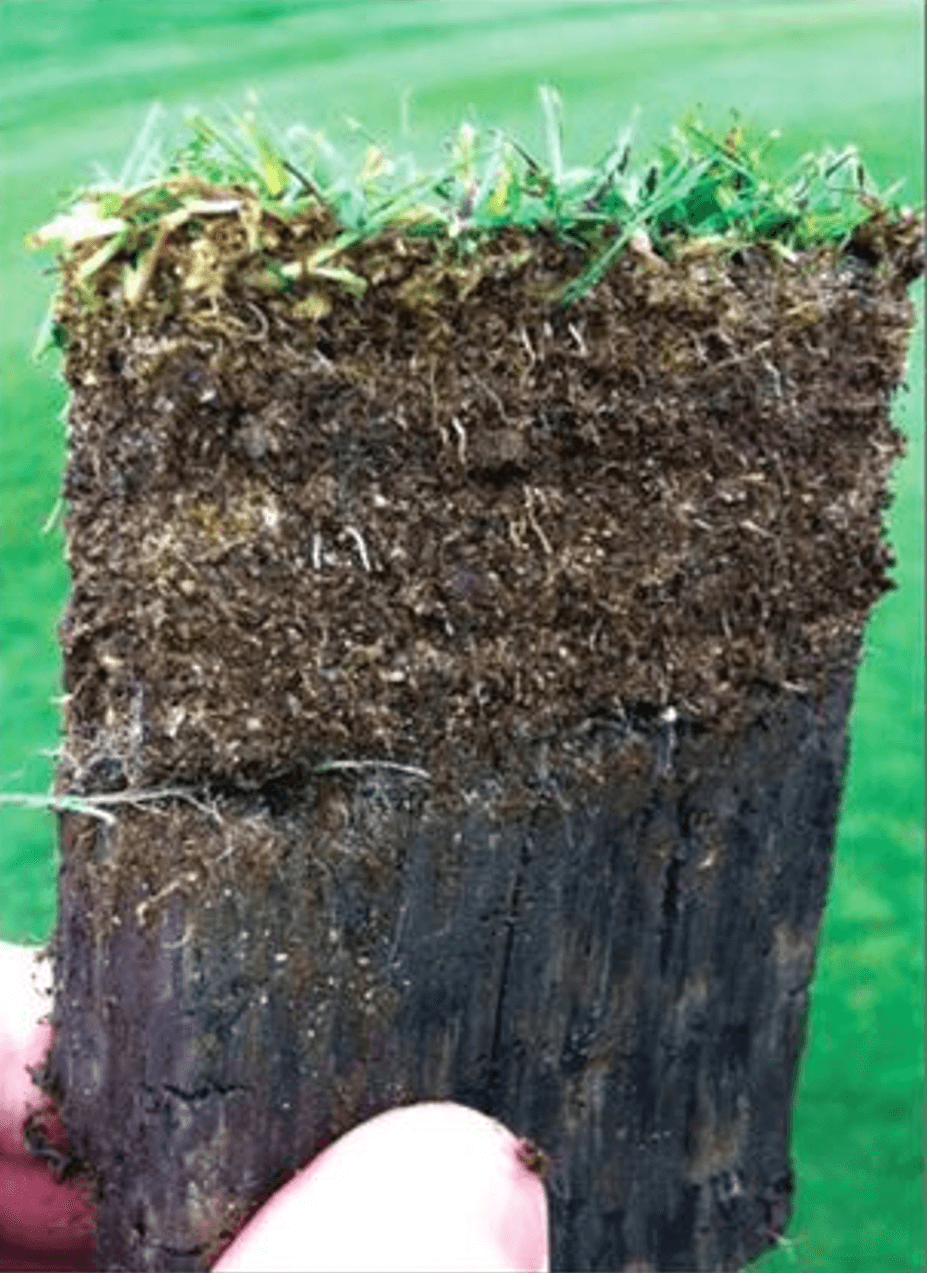
Prior to treatment, the thatch layer measured approximately three inches in depth. Turf surfaces exhibited reduced firmness, inconsistent ball roll, and limited infiltration following irrigation and rainfall. The dense organic mat interfered with root development and moisture distribution, increasing maintenance challenges and limiting overall turf quality.
After
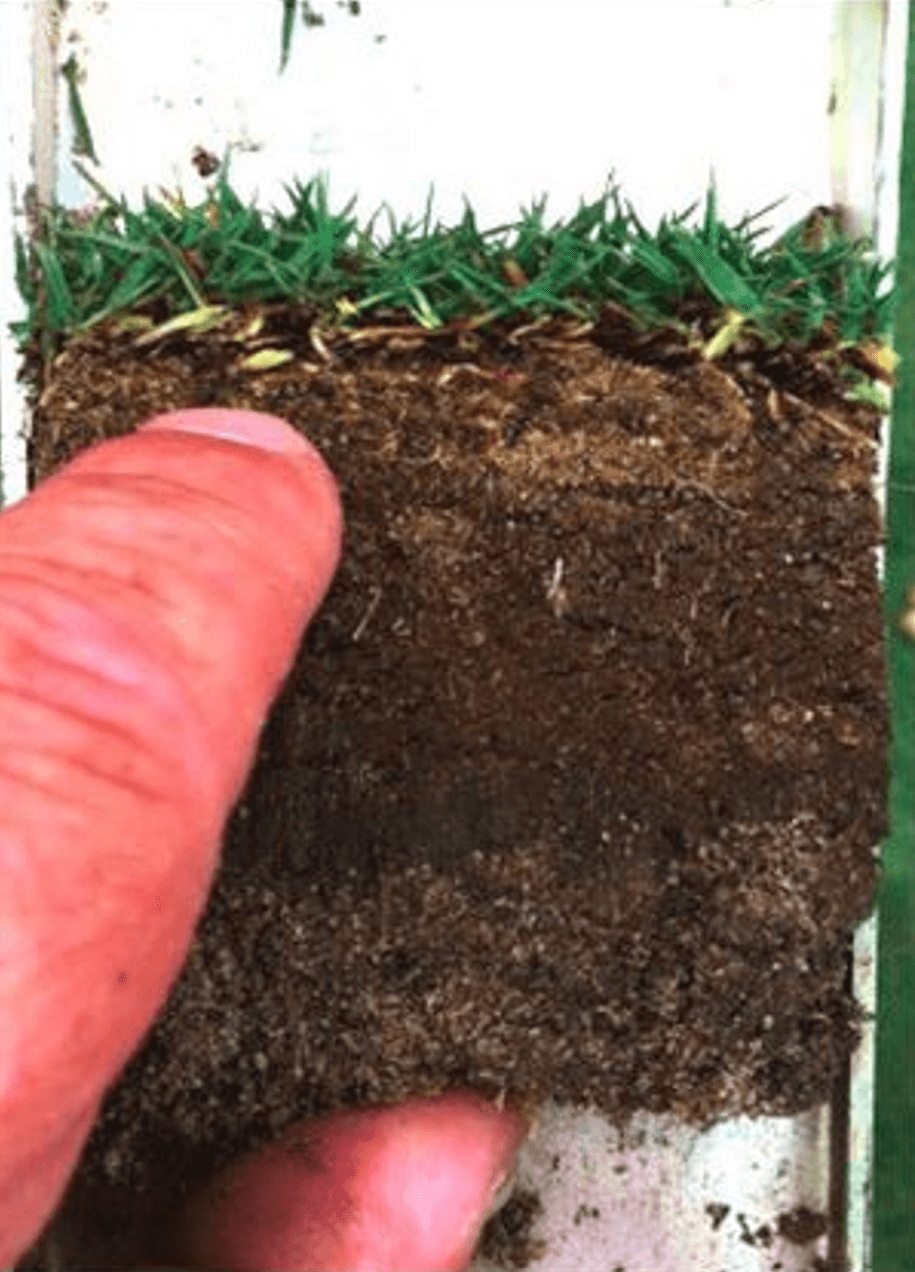
After 40 days of treatment with Thatch Treat, the thatch layer was reduced from approximately three inches to 0.5 inches without the use of mechanical equipment. Turf color, density, and overall vigor visibly improved across treated areas. The reduction in organic matter resulted in enhanced infiltration, firmer playing surfaces, and improved turf resilience, achieving effective thatch control while avoiding downtime, labor costs, and surface disruption associated with mechanical methods.
Grease Trap Treatment With BOD, TSS, and Cost Reduction
A grease trap system serving a high-load facility was experiencing excessive accumulation of fats, oils, grease, and suspended solids. Elevated BOD and TSS levels led to frequent pumping, high disposal costs, persistent odors, and unstable system performance. Conventional maintenance and pumping schedules were no longer effective at controlling grease buildup or operating expenses.
Before
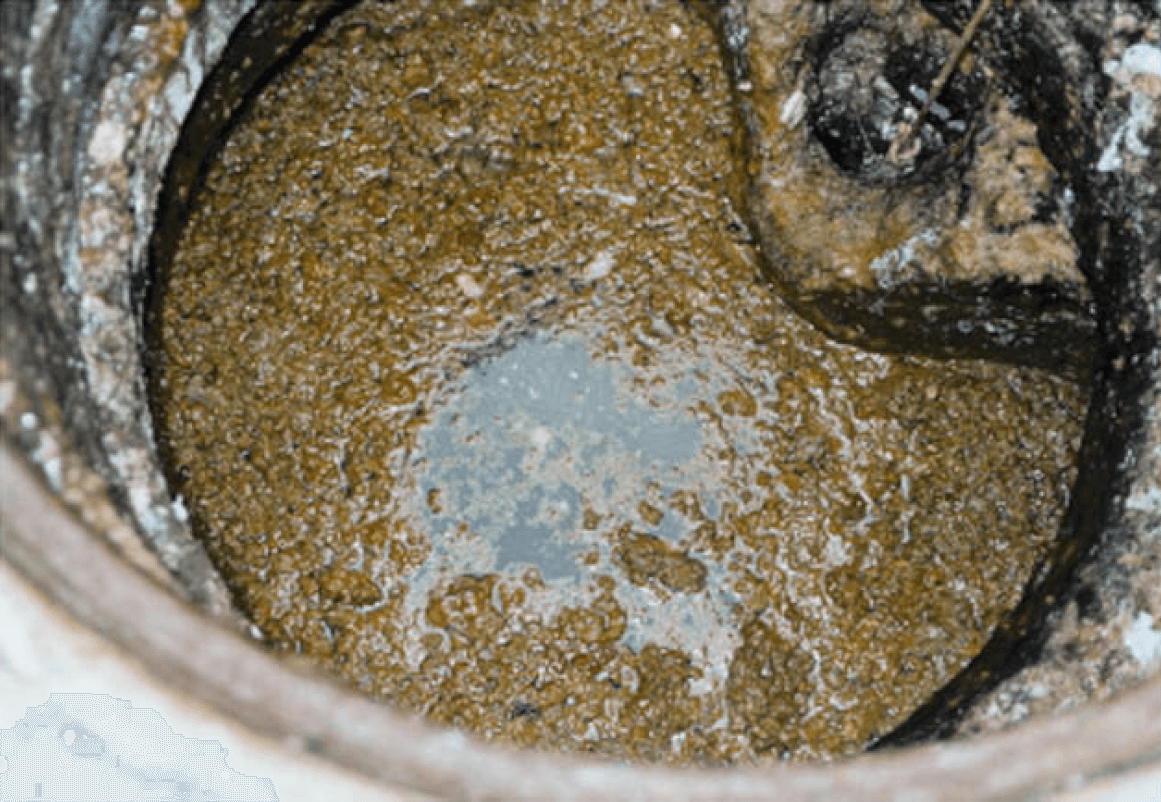
Prior to biological treatment, the grease trap showed severe organic and solids loading. BOD measured 2,328 mg/L and TSS reached 2,660 mg/L, indicating poor grease breakdown and heavy sludge accumulation. Pumping costs averaged approximately $1,029 per service event, driven by rapid solids buildup and the need for frequent cleanouts.
After
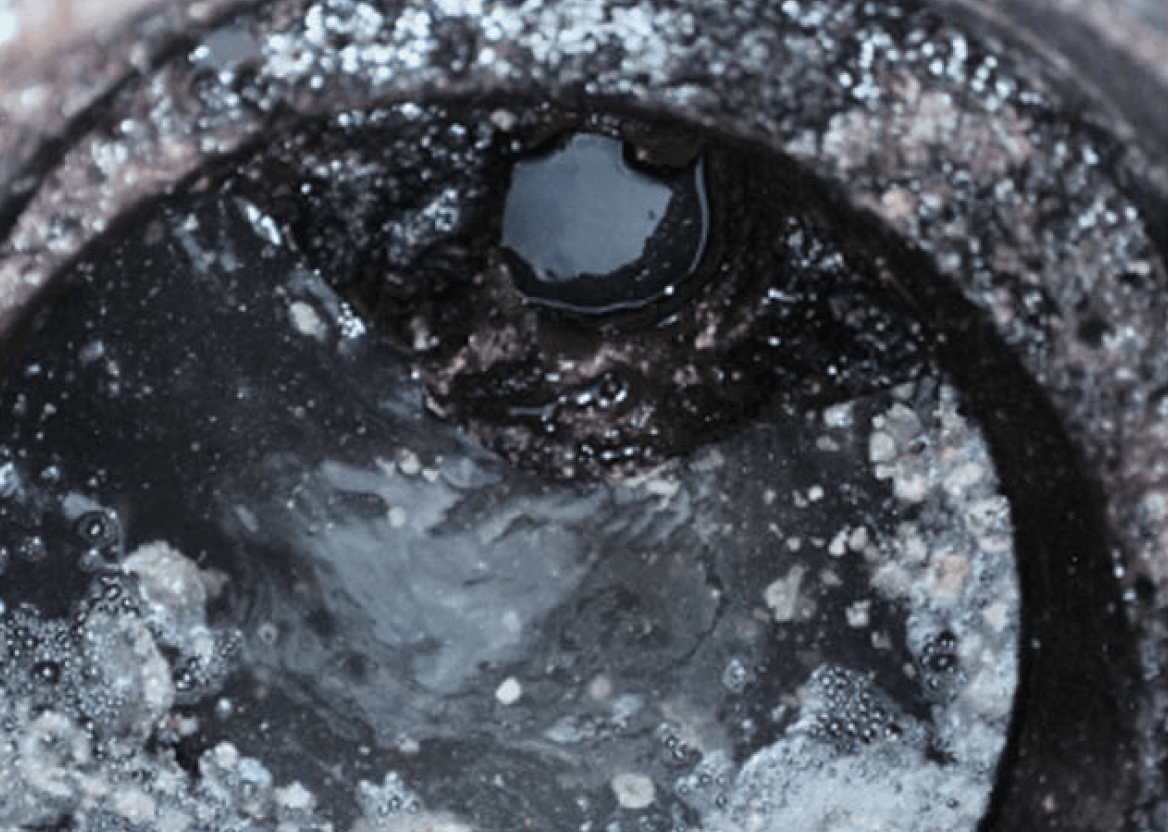
Following implementation of biological grease trap treatment, the system demonstrated sustained and progressive improvement. BOD levels were reduced to below 200 mg/L and TSS fell to below 230 mg/L, reflecting effective digestion of fats, oils, grease, and suspended solids. As solids accumulation declined, pumping frequency was dramatically reduced and pumping costs dropped to approximately $20. The grease trap stabilized operationally, odors were minimized, and long-term maintenance costs were significantly lowered.
Restaurant Grease Line FOG Reduction and Odor Control
A high-volume restaurant at Mal Taman Anggrek experienced chronic grease pipe blockages between the kitchen and a large centralized grease trap. The waste line clogged 1–2 times per week, causing kitchen flooding, operational downtime, and sanitation risks. Field inspection confirmed severe hardened FOG buildup throughout multiple pipe sections, compounded by poor upstream solids control and grease management practices.
Before
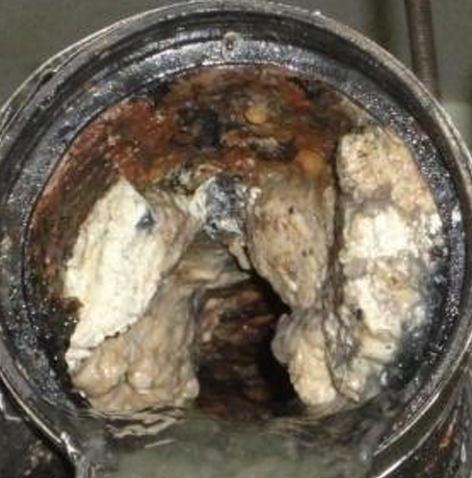
Prior to biological treatment, the waste piping showed extreme grease accumulation, with pipe diameters nearly closed by hardened fats, oils, and grease. One section (Leg 1) required full pipe replacement due to irreversible blockage. Manual cleaning revealed thick, rigid grease deposits that quickly re-formed, offering no sustainable solution. Odors persisted, and flow capacity remained severely restricted.
After
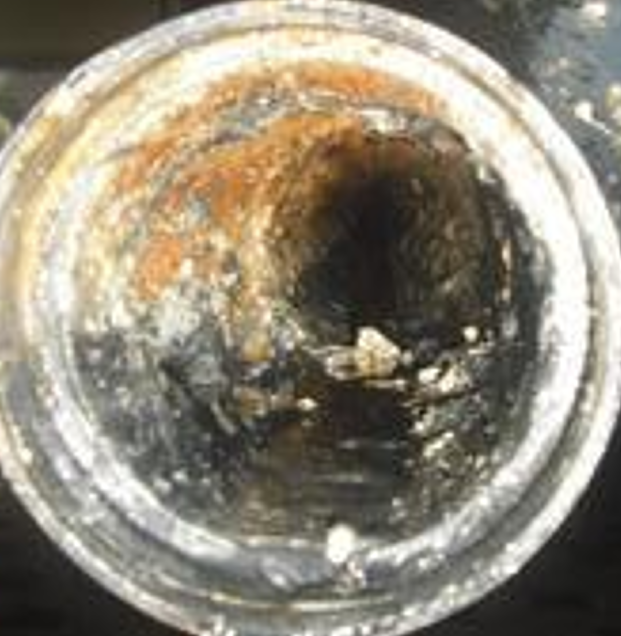
Within approximately 14 days, inspections confirmed significant grease softening and removal, with restored pipe cross-section and improved flow. A direct comparison between manually cleaned piping and biologically treated piping showed the treated pipe substantially cleaner in less than two weeks. Odors were reduced, flow reliability improved, and maintenance demands dropped. The site transitioned toward preventive biological grease control instead of reactive mechanical intervention.
Poultry Ammonia Control in High-Rise Layer Barns
A commercial egg producer operating high-rise layer barns in Ohio experienced elevated ammonia levels during colder months when ventilation was limited. Ammonia accumulation in manure pits led to poor barn air quality, bird stress, eye and skin irritation, and reduced feed efficiency. The operation required a reliable poultry ammonia control solution that could perform consistently under winter ventilation constraints without relying on corrosive chemical treatments or increased labor.
Before

After
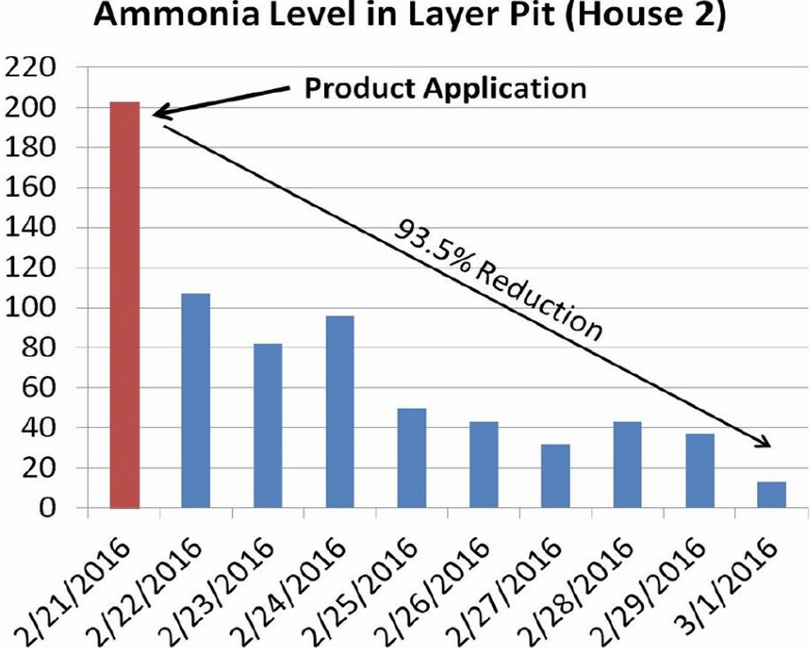
Ammonia Treat for Poultry (ATp) was applied as a granular microbial treatment directly to the high-rise manure pits. Within 4–5 days, ammonia levels dropped to below 50 ppm, delivering rapid poultry ammonia control even under winter ventilation constraints, with further reduction to below 20 ppm within 6–8 days. Bird irritation was eliminated, stress levels declined, and feed conversion improved as barn air quality stabilized. Based on consistent results, ease of application, and labor savings, the producer adopted once-monthly ATp applications as a standard practice and discontinued multiple less effective alternative products.
Shrimp Pond Water Quality and Yield Improvement
A commercial shrimp farm in Colima, Mexico faced chronic sludge buildup, black anaerobic pond bottoms, elevated ammonia and nitrite, and recurring sulfur odors. These conditions caused shrimp stress, poor growth uniformity, parasite pressure, frequent water exchanges, and reduced yields, limiting profitability and shortening production cycles.
Before
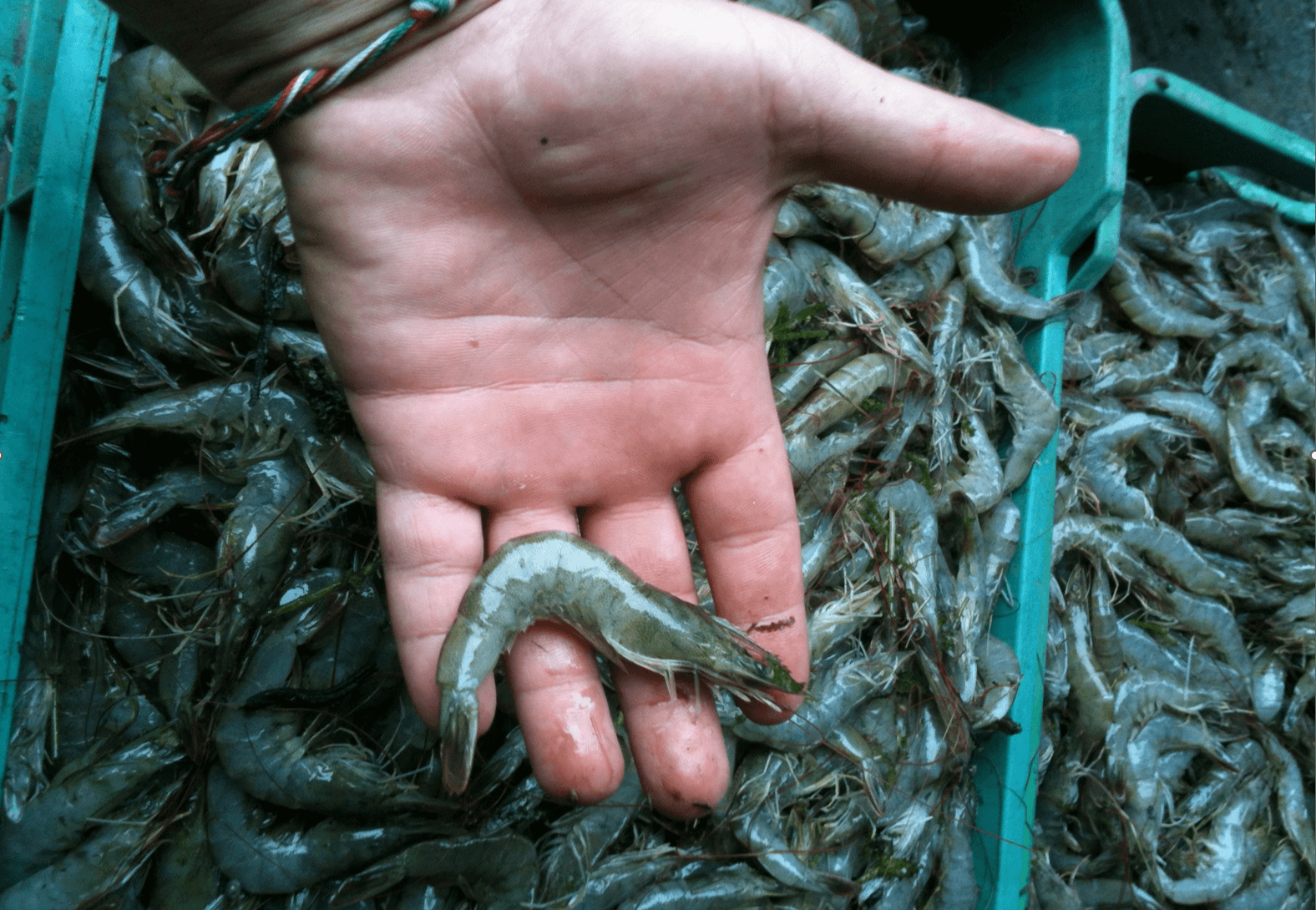
Prior to treatment, ponds accumulated heavy organic sludge and emitted sulfur odors. Shrimp showed stress symptoms, uneven growth, and higher mortality. Elevated ammonia required 8–10 water exchanges per cycle, increasing operating costs and reducing pond stability. Pond bottoms deteriorated rapidly, forcing periodic soil removal and limiting the number of viable production cycles.
After
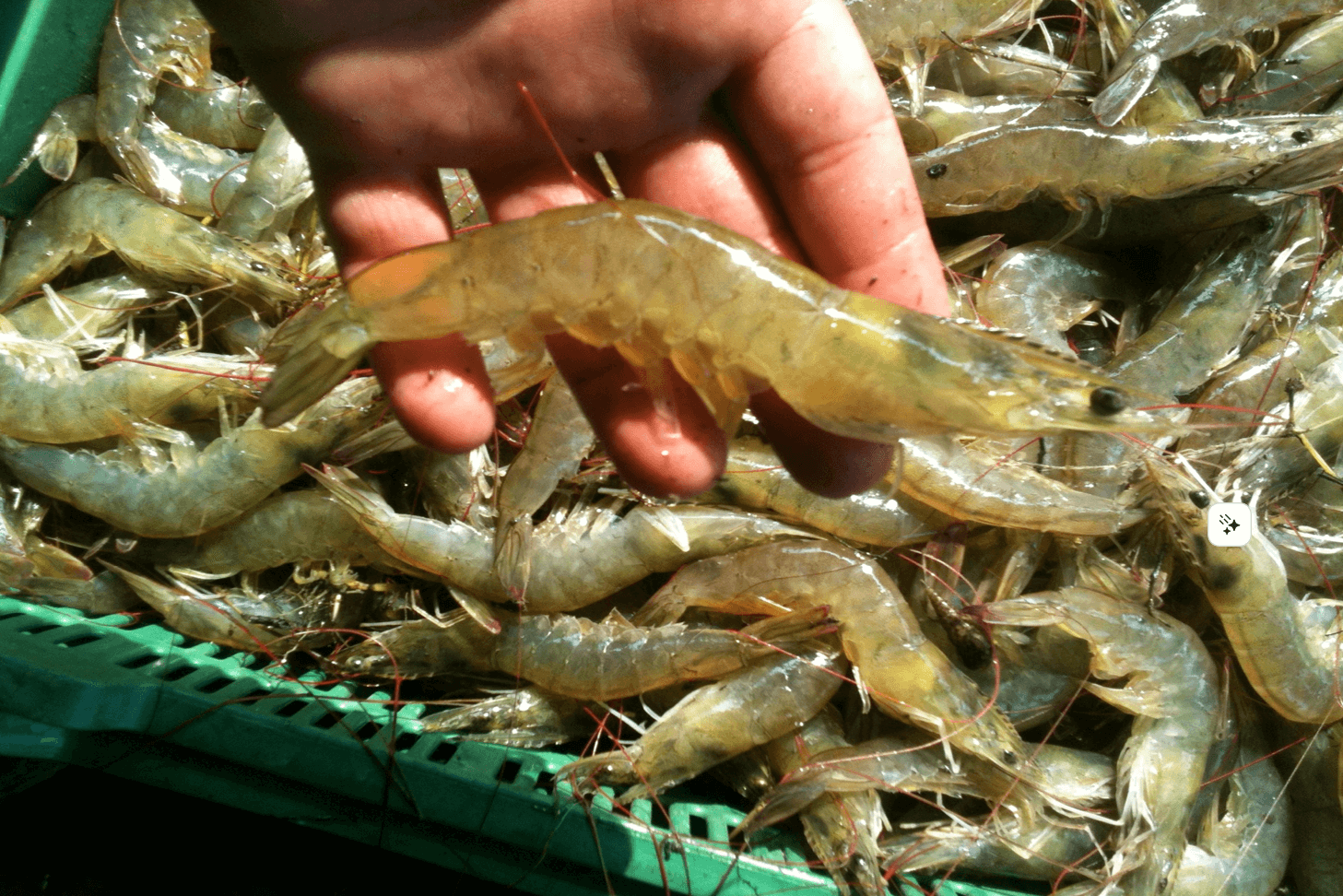
With Aquaculture Treat (AQ), pond bottoms remained firm and aerobic with no sulfur odors. Water exchange was eliminated during the production cycle. Shrimp showed improved health, uniform growth, and higher survival. Total harvest increased from 3,650 kg to 4,268 kg in a 7,000 m² pond, feed conversion improved from 1.79 to 1.37, and survival increased from 69% to 77%. The farm achieved an estimated ROI of over 1,200% per cycle through higher yields and lower operating costs.
Ammonia Reduction in Petrochemical Wastewater
A petrochemical wastewater treatment facility was unable to consistently meet updated discharge standards requiring ammonia below 5 mg/L. Effluent ammonia levels typically ranged between 5–8 mg/L, despite multiple attempts using both domestic and imported nitrifying bacteria products. These approaches failed to deliver stable ammonia removal, leaving the plant at risk of non-compliance and operational penalties.
Before
After
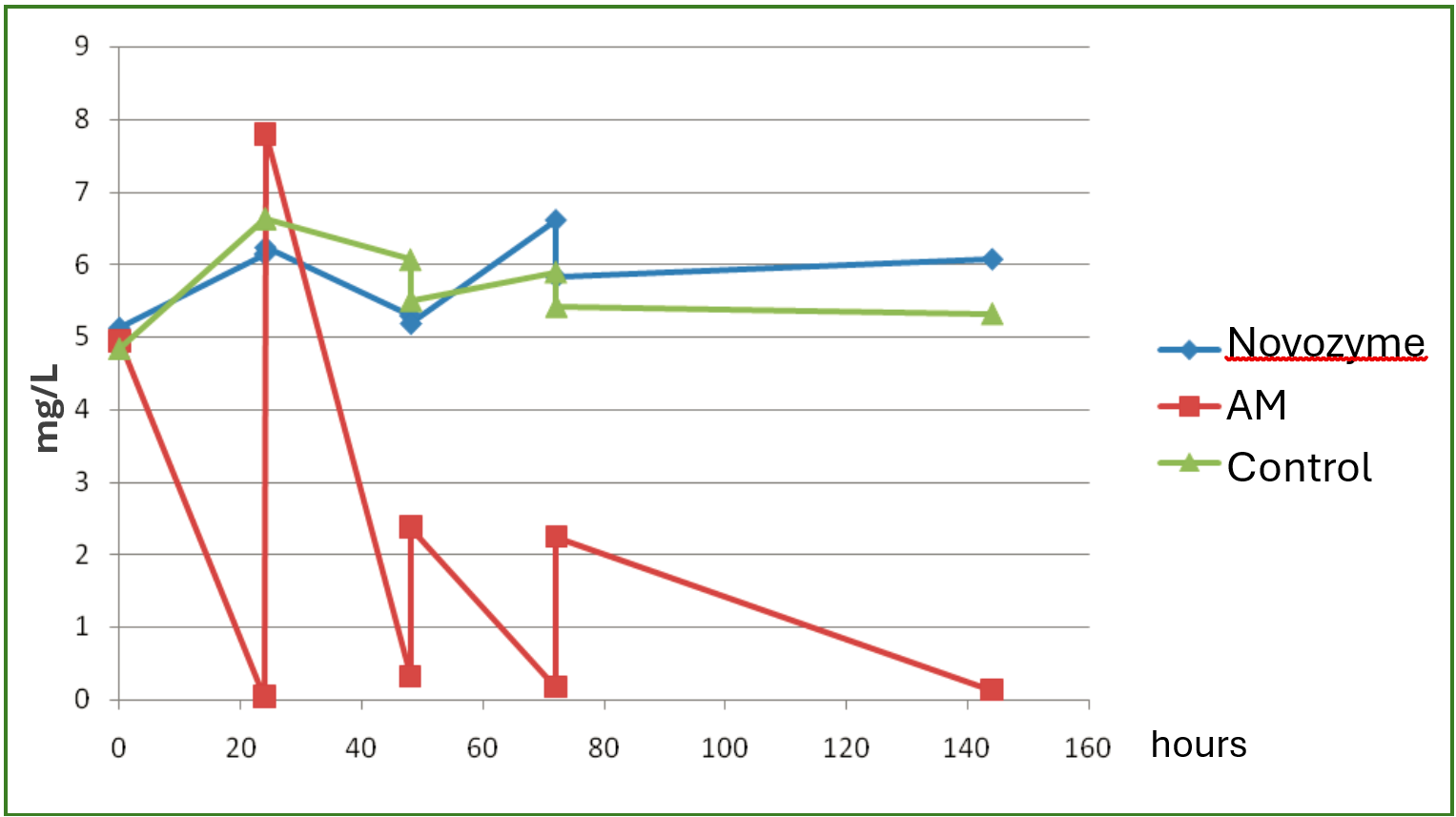
Ammonia Treat (AM) microbes were applied to the petrochemical wastewater system to support biological ammonia removal under existing operating conditions. Within three days, effluent ammonia dropped to 2 mg/L and then stabilized below 1 mg/L, consistently meeting the new discharge limits. Because AM contains heterotrophic, carbon-utilizing ammonia-reducing bacteria, COD was also reduced, improving overall wastewater treatment performance without relying on conventional nitrifying bacteria.
Ammonia Reduction in Rural Landfill Leachate
A rural landfill in Chengdu was treating high-strength landfill leachate with ammonia concentrations reaching 850 mg/L. The elevated ammonia caused severe odors, poor biological treatability, and made it difficult to stabilize the leachate for downstream handling or discharge. Conventional treatment approaches were insufficient to rapidly reduce ammonia and odor levels.
Before
After
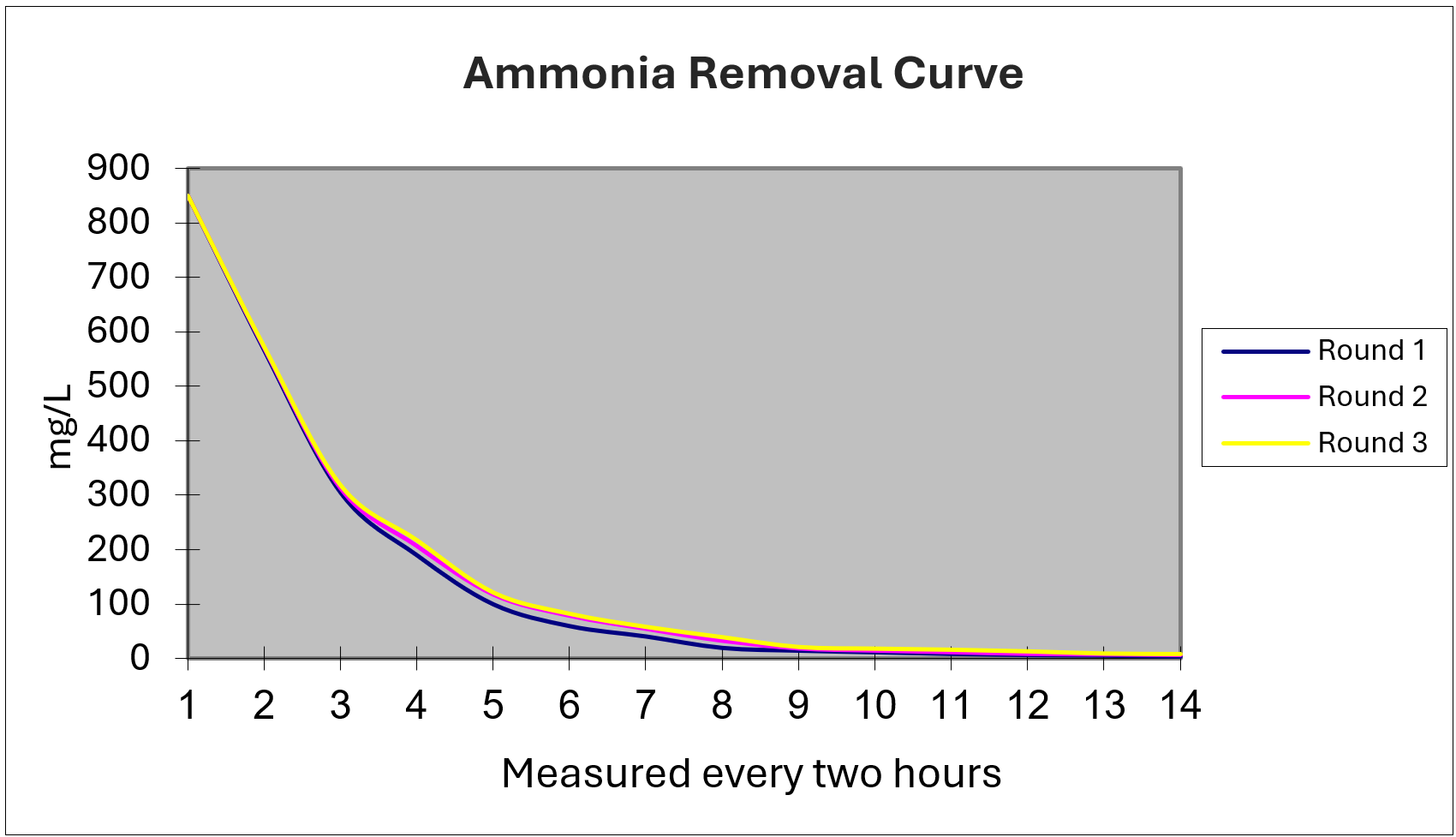
Ammonia Treat (AM) powder was applied directly to the landfill leachate with proper aeration to support biological activity. The high-CFU ammonia-reducing bacteria rapidly established and began consuming ammonia. Within 10 hours, ammonia levels dropped from 850 mg/L to 60 mg/L, dramatically improving treatability and reducing odor intensity. After 26 hours, ammonia was further reduced to 4 mg/L, demonstrating fast, effective biological ammonia removal in high-strength landfill leachate conditions.
Pond Water Quality Improvement With Reduced Algae Pressure
A freshwater pond in Wisconsin experienced declining water quality due to excess organic buildup and nutrient accumulation. These conditions fueled persistent algae pressure, surface scum, poor water clarity, and nuisance odors that disrupted the pond’s aquatic balance.
Before
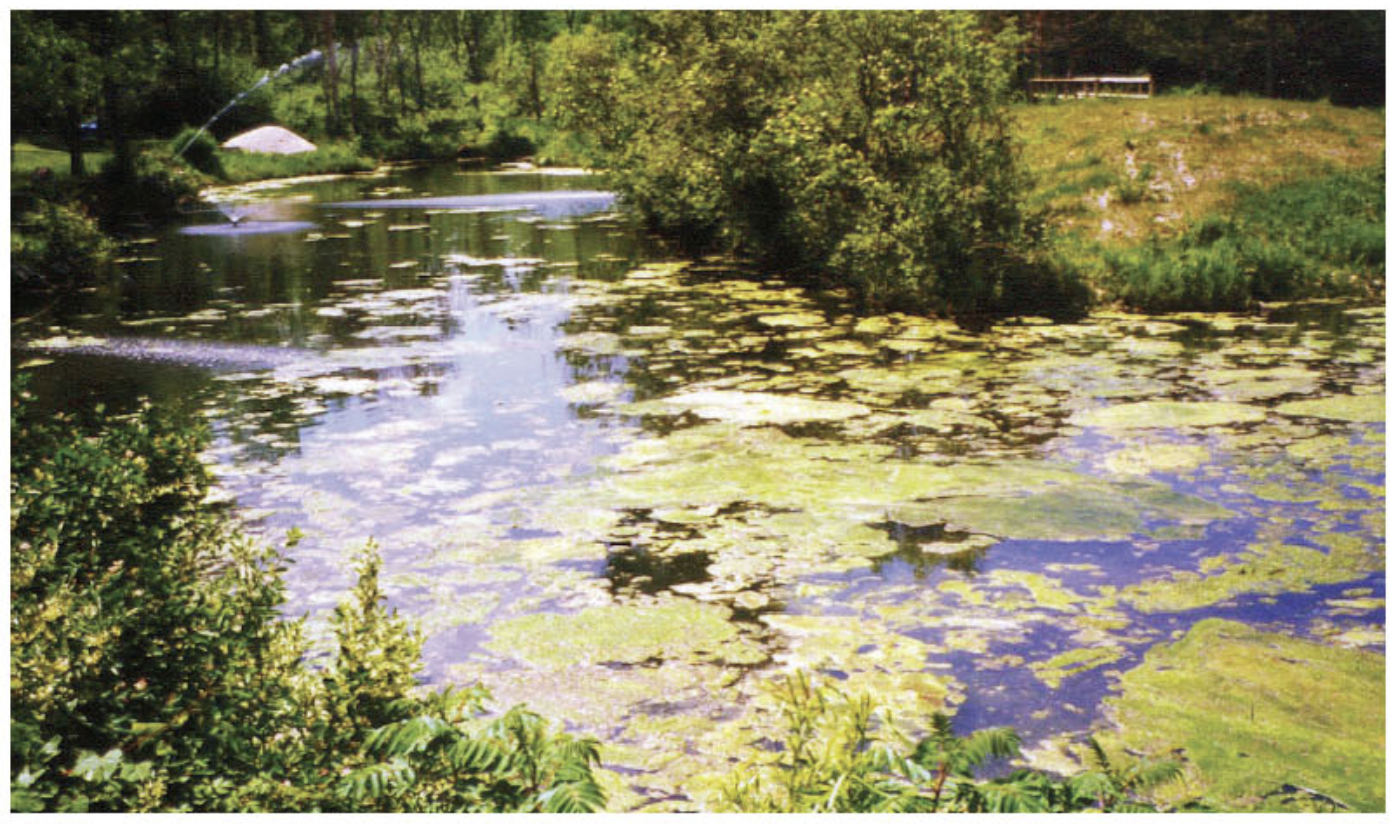
Prior to treatment, the pond showed visible algae and surface scum, elevated turbidity, and strong odors. Organic accumulation and unstable nutrient cycling negatively affected pond aesthetics and aquatic life.
After
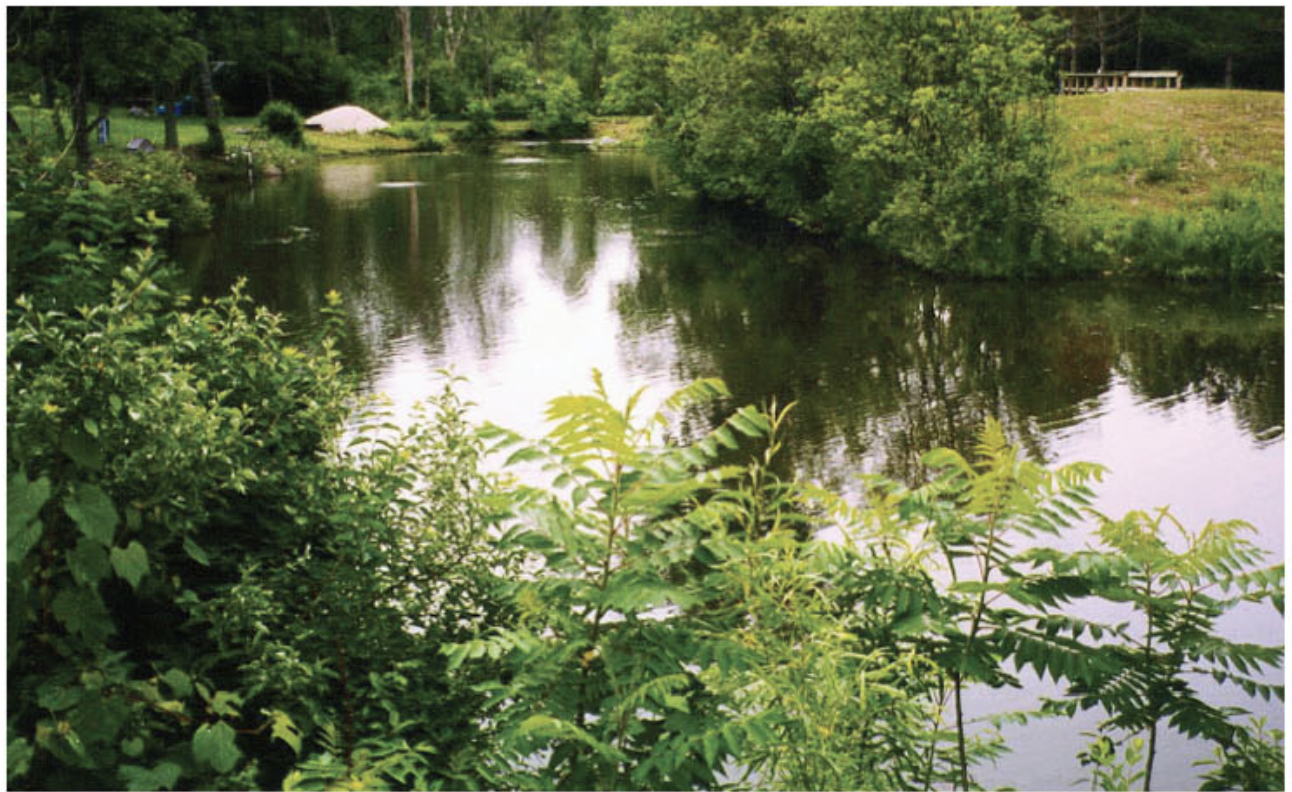
A high-CFU beneficial pond bacteria powder was applied as directed. Within two weeks, water clarity visibly improved, surface scum and algae pressure were significantly reduced, and odors were eliminated as organic matter and excess nutrients were biologically digested.
Tequila Distillery Wastewater Treatment With Odor and Sludge Reduction
High-Strength Tequila Production Wastewater Overloading Aeration Tanks: Raw wastewater generated from tequila production caused severe organic loading, leading to reduced aeration tank treatment capacity. The system suffered from persistent odors, heavy sludge accumulation on the tank bottom, and a thick surface scum layer, all of which impaired biological wastewater treatment performance and increased operational costs.
Before
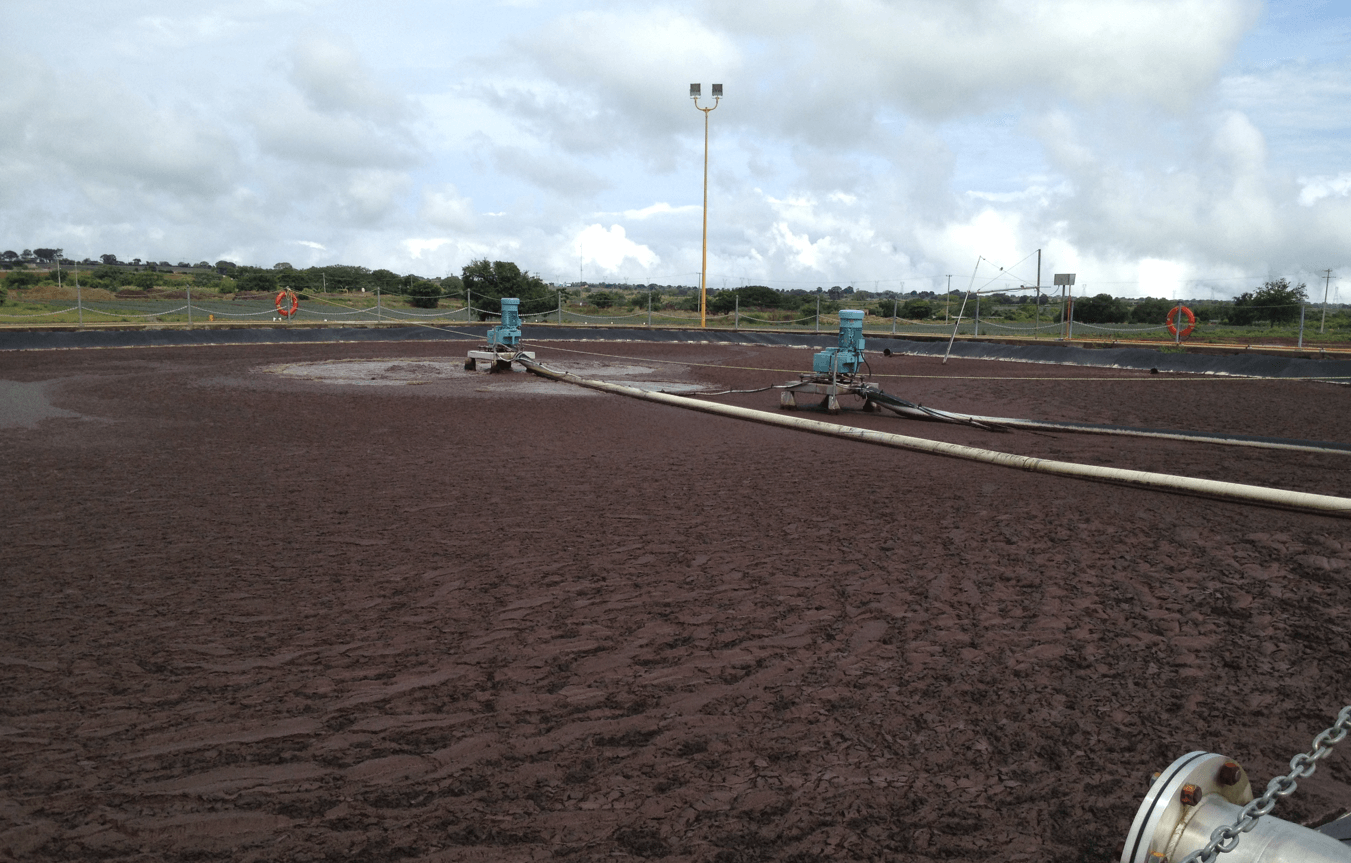
Before implementation of Bio-Green Wastewater Treat (WT), the tequila production wastewater treatment plant was experiencing severe operational constraints due to excessive organic loading. The aeration tank had significantly reduced treatment capacity caused by heavy sludge accumulation at the tank bottom and a thick scum layer on the surface, which limited oxygen transfer and biological activity. Persistent odors were present throughout the system, indicating incomplete organic degradation and anaerobic conditions. As sludge volume increased, overall wastewater treatment efficiency declined, aeration demand rose, and plant performance became increasingly unstable.
After
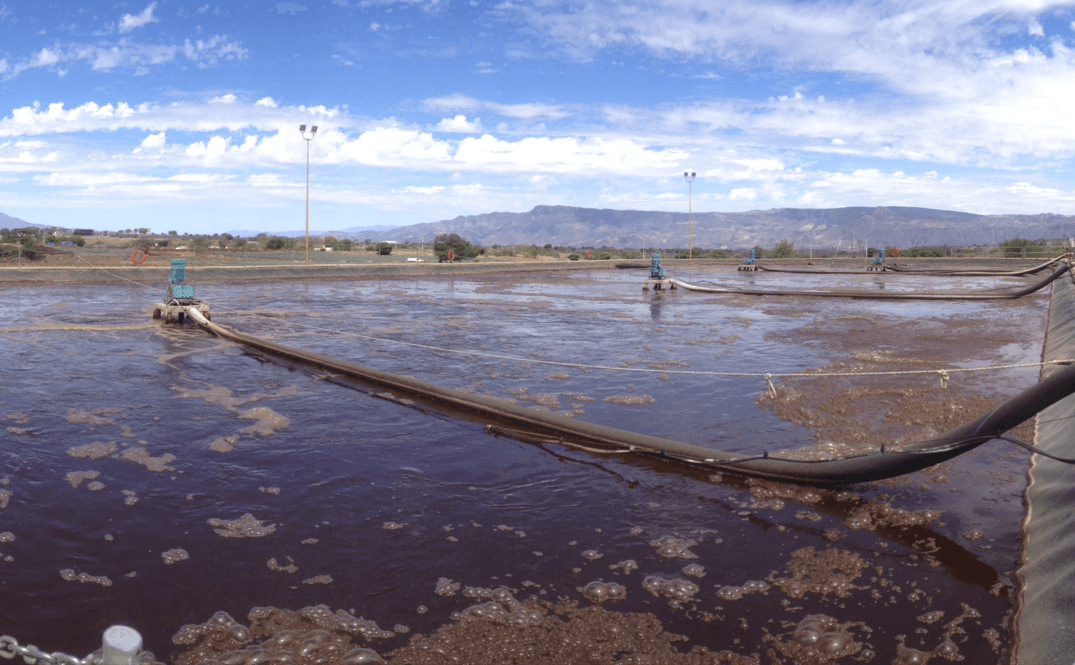
After implementation of Bio-Green Wastewater Treat (WT), offensive odors were fully eliminated within seven days of treatment. Within fourteen days, the heavy surface scum layer was almost completely removed, restoring effective oxygen transfer in the aeration tank. Continued biological activity resulted in the digestion of more than one meter of accumulated sludge at the tank bottom, evidenced by a corresponding drop of over one meter in aeration tank water level. As sludge volume decreased, overall aeration tank treatment capacity increased, improving system performance. The reduction in organic load also lowered demand on aeration equipment, resulting in measurable reductions in electricity consumption and ongoing operating costs.
Poultry Slaughterhouse Wastewater With FOG, Odor, and BOD Reduction
Excessive Surface Fats, Oils, and Grease (FOG) Accumulation: The wastewater treatment system experienced severe surface FOG buildup, leading to odor generation, reduced oxygen transfer, inhibited biological activity, and poor overall wastewater treatment efficiency.
Before

A 90,000-bird-per-day poultry slaughterhouse wastewater treatment plant experienced severe fats, oils, and grease (FOG) accumulation, strong odor generation, and poor biological performance. The facility treated 2,250 m³/day with an 8-day hydraulic retention time, but biological wastewater treatment efficiency was low, with effluent BOD concentrations of 860 mg/L and inadequate organic load reduction.
After

Following application of high-CFU wastewater treatment bacteria, FOG buildup and wastewater odors were eliminated at the source. Effluent BOD was reduced from 860 mg/L to 121 mg/L, and overall wastewater treatment plant efficiency increased from 55% to 86% within 90 days, restoring stable biological performance and improving compliance.