Shrimp Pond Water Quality and Yield Improvement

A commercial shrimp farm in Colima, Mexico faced chronic sludge buildup, black anaerobic pond bottoms, elevated ammonia and nitrite, and recurring sulfur odors. These conditions caused shrimp stress, poor growth uniformity, parasite pressure, frequent water exchanges, and reduced yields, limiting profitability and shortening production cycles.

Before
Prior to treatment, ponds accumulated heavy organic sludge and emitted sulfur odors. Shrimp showed stress symptoms, uneven growth, and higher mortality. Elevated ammonia required 8–10 water exchanges per cycle, increasing operating costs and reducing pond stability. Pond bottoms deteriorated rapidly, forcing periodic soil removal and limiting the number of viable production cycles.
After
With Aquaculture Treat (AQ), pond bottoms remained firm and aerobic with no sulfur odors. Water exchange was eliminated during the production cycle. Shrimp showed improved health, uniform growth, and higher survival. Total harvest increased from 3,650 kg to 4,268 kg in a 7,000 m² pond, feed conversion improved from 1.79 to 1.37, and survival increased from 69% to 77%. The farm achieved an estimated ROI of over 1,200% per cycle through higher yields and lower operating costs.

Ammonia Reduction in Petrochemical Wastewater

A petrochemical wastewater treatment facility was unable to consistently meet updated discharge standards requiring ammonia below 5 mg/L. Effluent ammonia levels typically ranged between 5–8 mg/L, despite multiple attempts using both domestic and imported nitrifying bacteria products. These approaches failed to deliver stable ammonia removal, leaving the plant at risk of non-compliance and operational penalties.

Before
After
Ammonia Treat (AM) microbes were applied to the petrochemical wastewater system to support biological ammonia removal under existing operating conditions. Within three days, effluent ammonia dropped to 2 mg/L and then stabilized below 1 mg/L, consistently meeting the new discharge limits. Because AM contains heterotrophic, carbon-utilizing ammonia-reducing bacteria, COD was also reduced, improving overall wastewater treatment performance without relying on conventional nitrifying bacteria.

Ammonia Reduction in Rural Landfill Leachate

A rural landfill in Chengdu was treating high-strength landfill leachate with ammonia concentrations reaching 850 mg/L. The elevated ammonia caused severe odors, poor biological treatability, and made it difficult to stabilize the leachate for downstream handling or discharge. Conventional treatment approaches were insufficient to rapidly reduce ammonia and odor levels.

Before
After
Ammonia Treat (AM) powder was applied directly to the landfill leachate with proper aeration to support biological activity. The high-CFU ammonia-reducing bacteria rapidly established and began consuming ammonia. Within 10 hours, ammonia levels dropped from 850 mg/L to 60 mg/L, dramatically improving treatability and reducing odor intensity. After 26 hours, ammonia was further reduced to 4 mg/L, demonstrating fast, effective biological ammonia removal in high-strength landfill leachate conditions.

Pond Water Quality Improvement With Reduced Algae Pressure

A freshwater pond in Wisconsin experienced declining water quality due to excess organic buildup and nutrient accumulation. These conditions fueled persistent algae pressure, surface scum, poor water clarity, and nuisance odors that disrupted the pond’s aquatic balance.

Before
Prior to treatment, the pond showed visible algae and surface scum, elevated turbidity, and strong odors. Organic accumulation and unstable nutrient cycling negatively affected pond aesthetics and aquatic life.
After
A high-CFU beneficial pond bacteria powder was applied as directed. Within two weeks, water clarity visibly improved, surface scum and algae pressure were significantly reduced, and odors were eliminated as organic matter and excess nutrients were biologically digested.

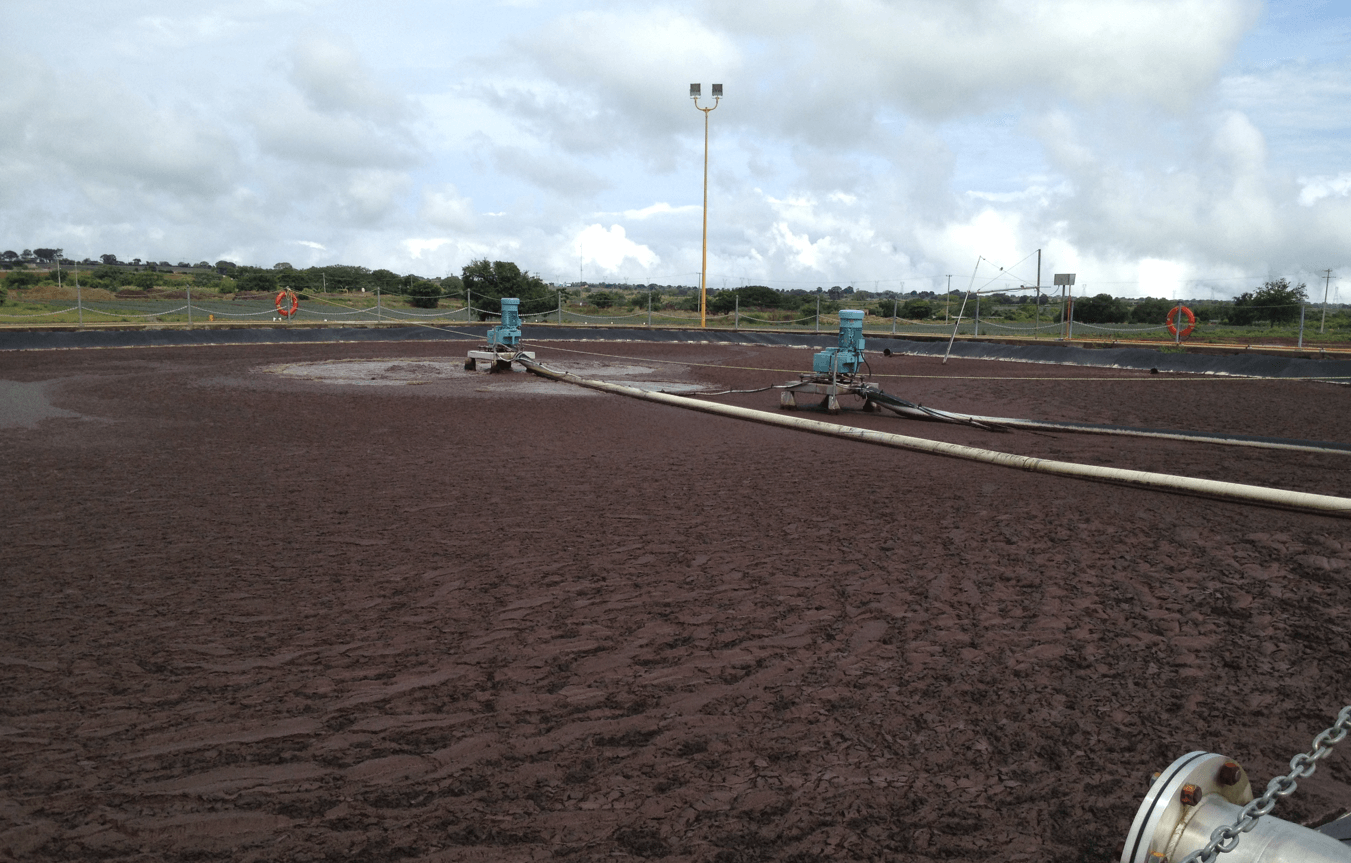
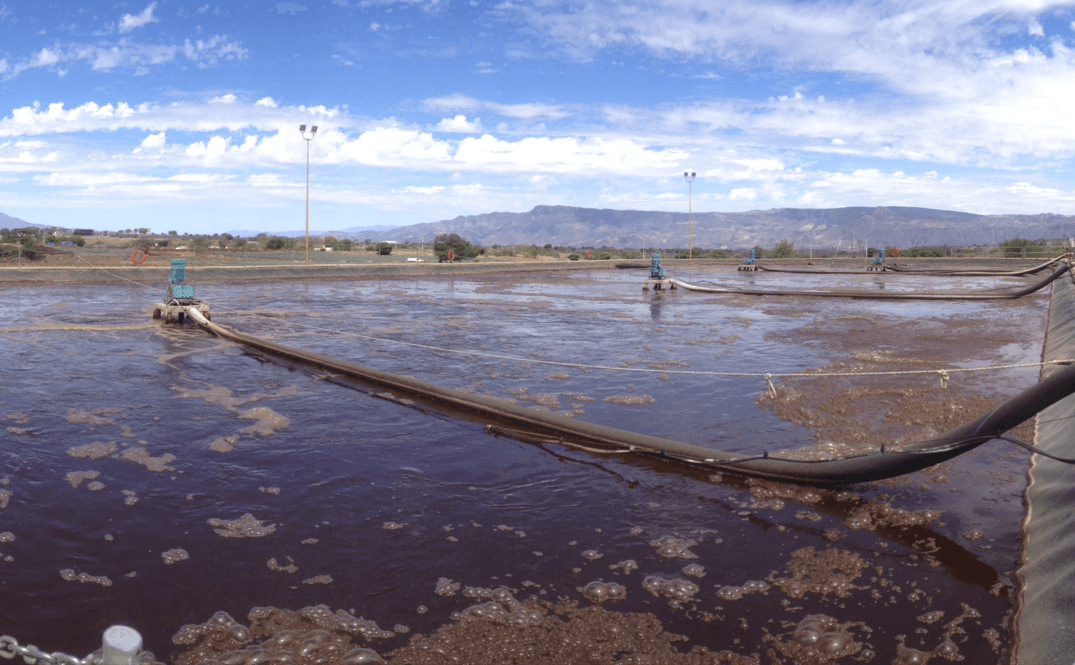
Planta de tratamiento de aguas residuales para producción de tequila

Aguas residuales sin tratar de la producción de tequila con capacidad reducida de tratamiento en tanques de aireación. Malos olores, gran acumulación de lodo en el fondo del tanque y una gran capa de espuma en la parte superior.

Before
Los microbios Bio-Green Distilled Spirits Treat (DST) y Wastewater Treat (WT) se aplican al tanque de aireación existente una vez al día. El producto en polvo se aplicó a través de la entrada del tanque de aireación.
After
Los malos olores se eliminan en 7 días. Después de 14 días de tratamiento, la capa de espuma en la parte superior del tanque casi se eliminó. El nivel de agua en el tanque de aireación se redujo en más de 1 metro, lo que representa más de 1 metro de lodo consumido en el fondo del tanque. La capacidad de tratamiento del tanque de aireación aumentó debido a la reducción del lodo. Los costos de electricidad se redujeron debido a la reducción de la carga orgánica, lo que provocó una disminución de la carga en los aireadores.

Matadero de aves de corral (Brasil)

Niebla Superficial Excesiva

Before
Los mataderos avícolas de 90 000 animales por día tenían una acumulación excesiva de grasa en la superficie, aceites y grasas (FOG) y muy malos olores en los tanques de tratamiento. La capacidad de tratamiento de aguas residuales era de 2.250 metros cúbicos por día, con un tiempo de retención de 8 días. Baja eficiencia en la reducción de la DBO, con un efluente final de 860 mg/L.
After
Se eliminaron los olores y las grasas, aceites y grasas superficiales (FOG). La DBO se redujo de 860 mg/L a 121 mg/L en los efluentes. La eficiencia de la planta de tratamiento de aguas residuales aumentó del 55% al 86% a los 90 días del tratamiento.