Sunrise 是一款 通过 OMRI 认证、并获得 CDFA 注册 的微生物接种剂与复合菌株生物肥料,专为专业农业及特色作物方案开发。这款先进的农业用复合微生物制剂结合了多种有益细菌与真菌,作为土壤益生菌,可提升土壤肥力、促进养分循环、改善作物表现。多样化的芽孢型微生物可在根际区定殖,溶解养分、分解有机质、强化土壤微生物群落,实现可持续生产及更高效的氮素利用。

  • 提升土壤肥力:增强生物可利用养分,加速有机质转化,优化长期土壤结构与生产力。
  • 提高肥料利用率:通过释放被固定的磷和微量元素,促进生物可利用氮的形成,从而减少对化学肥料的依赖。
  • 促进根系生长:刺激根系伸长与分枝,提高养分与水分吸收能力。
  • 增强作物活力与抗逆性:提升植株定植能力及环境胁迫耐受性,确保在多样化条件下保持稳定表现。
  • 平衡土壤微生物群:促进有益微生物占优势,使土壤更健康、更具生物活性。
  • OMRI认证和CDFA登记:OMRI(有机材料审查研究所)认证可用于有机农业生产体系的生物肥料,CDFA登记表示在加州获批注册,可作为微生物土壤改良剂销售与使用。

现代农业对土壤系统提出了很高要求。连续耕作、大量施肥和耕翻会降低土壤微生物多样性,破坏养分循环,并削弱土壤结构。随着时间推移,土壤失去肥力和生物平衡,养分利用效率下降,作物表现受限。

Sunrise 是一款高 CFU(菌落形成单位)微生物接种剂,也是一款复合菌株生物肥料,专为恢复土壤生物活性和强化根际环境而设计。这款先进的农业微生物复合制剂结合了有益的芽孢杆菌(Bacillus)、短芽孢杆菌(Brevibacillus)、假单胞菌(Pseudomonas)及真菌类菌株,作为植物的土壤益生菌使用。协同作用下,这些有益微生物可增强养分循环、提高生物可利用氮含量,并改善肥料利用效率,从而培育更健康、更具抗逆性的作物。

微生物作用机理:

  • 芽孢杆菌和短芽孢杆菌:作为磷溶解菌和钾溶解菌,释放有机酸和酶,将固定养分转化为植物可利用形式,起到微生物生物肥的作用。
  • 假单胞菌:作为根际益生菌和促生微生物,产生对铁有螯合作用的载铁蛋白(siderophore),增强微量元素吸收;同时合成多种天然植物激素(IAA、IBA、CK、GA),刺激根系伸长与分枝,实现强劲生长。
  • 有益真菌(如木霉Trichoderma、曲霉Aspergillus、青霉Penicillium):延伸微生物网络,分泌酶促进养分吸收,分解残留物和有机质,释放磷,同时分泌多糖,将土壤颗粒结合成团聚体。最终形成一个充满生物活性的土壤生态系统,改善土壤结构、孔隙度和通气性,为根系发育和长期肥力创造理想条件。

通过支持这些协同生物过程,Sunrise 作为微生物土壤改良剂,可重建土壤肥力并优化养分利用效率。这款 OMRI 认证CDFA 注册 的生物肥料为种植者提供了有机、再生和传统体系的可持续解决方案。

应用范围:

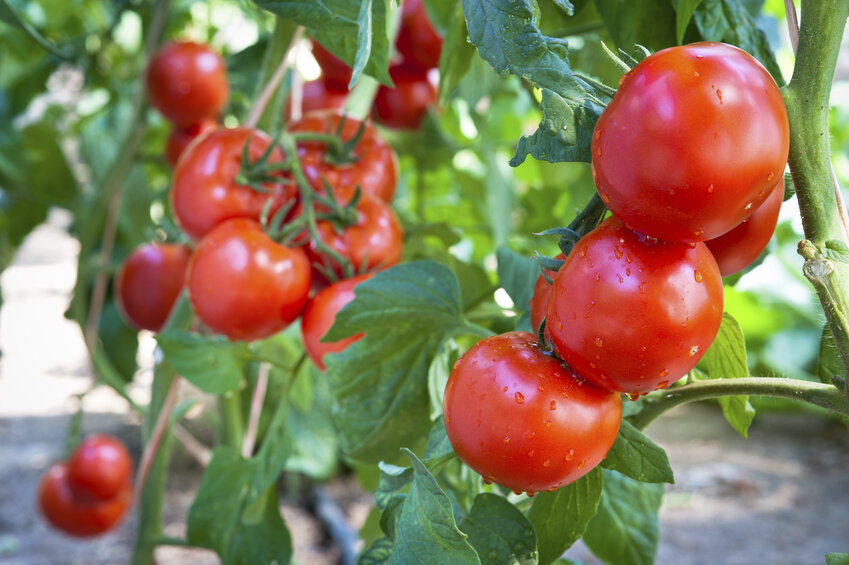
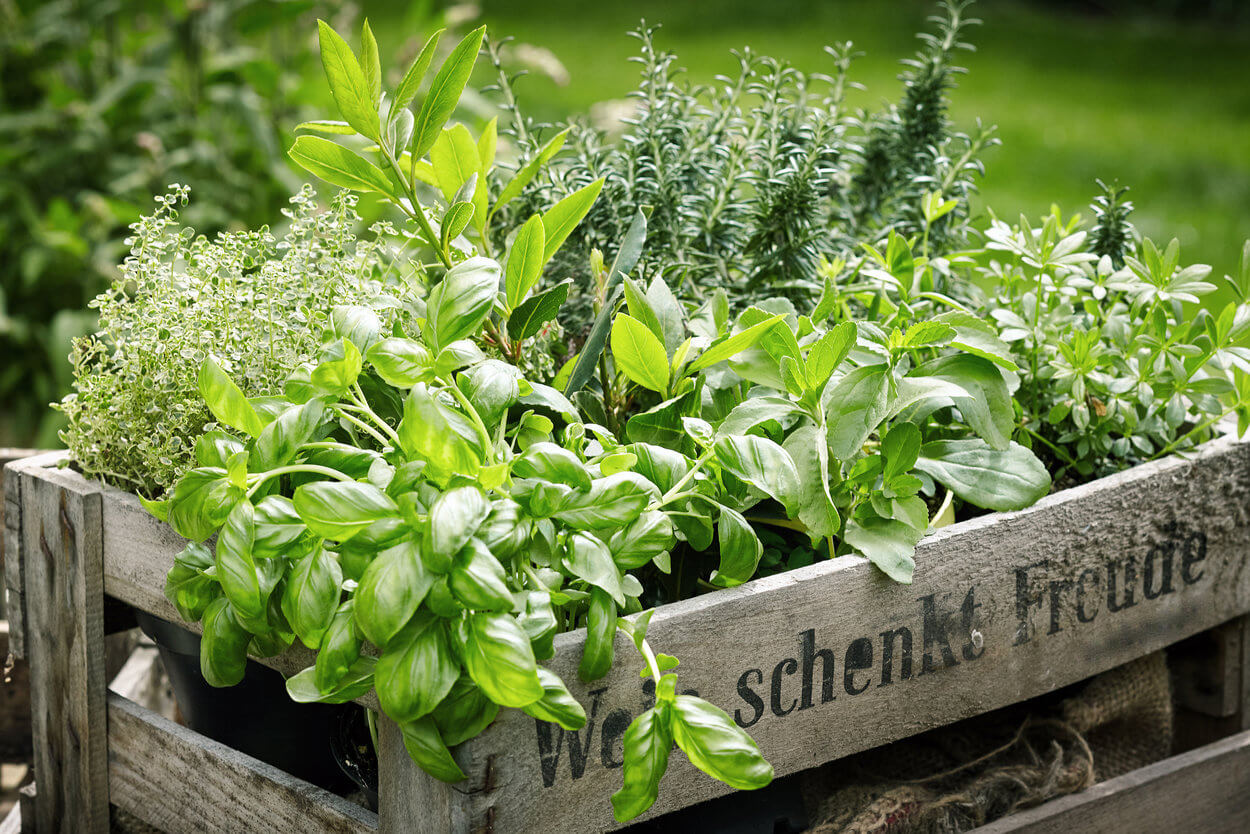
  • 园艺与蔬菜生产:增强根系生长,提高移栽成活率,改善高强度管理土壤的微生物平衡。
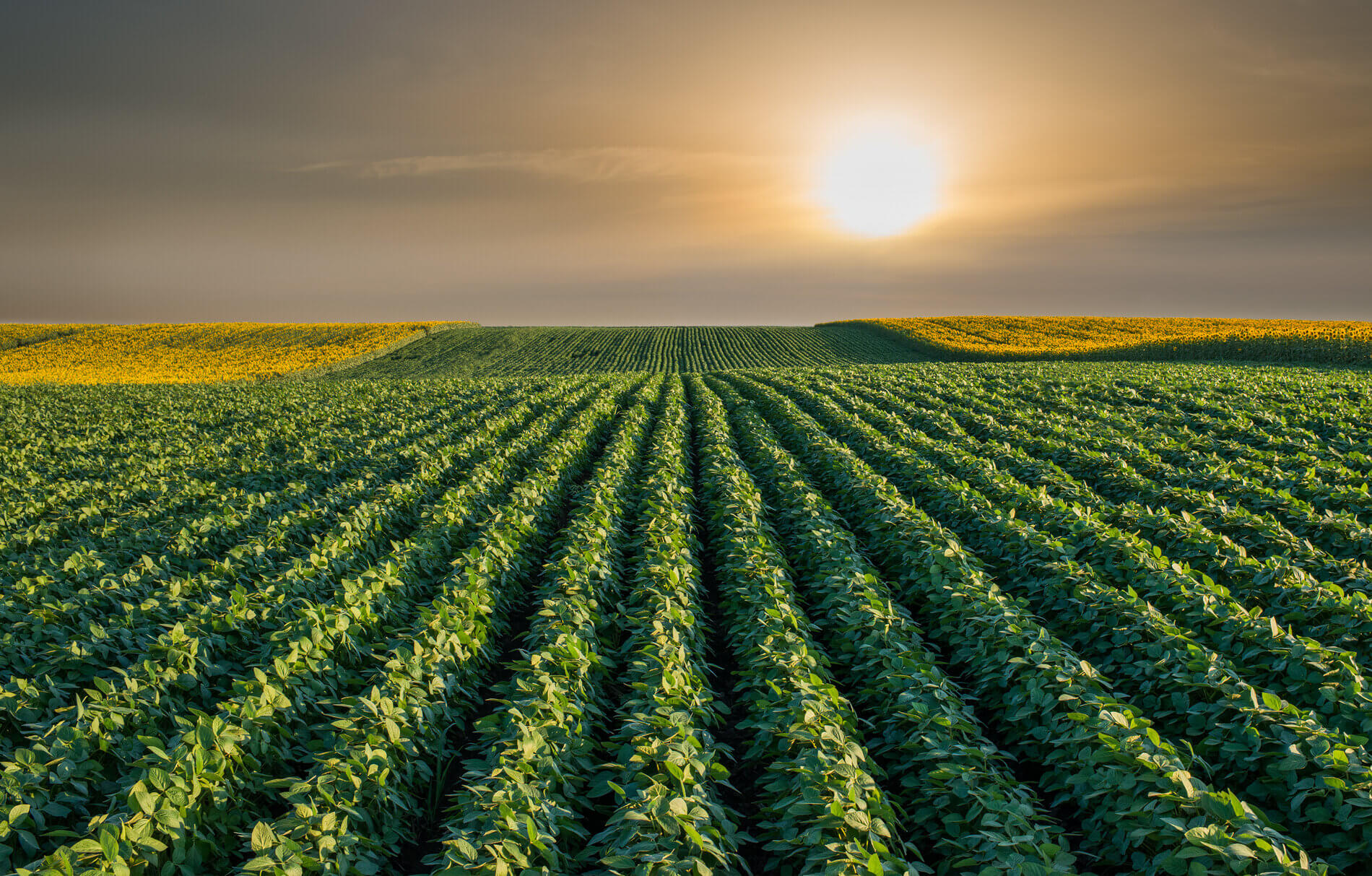
  • 大田作物与谷物:提高养分利用效率,增强生物可利用氮,维持高投入系统下的土壤结构。
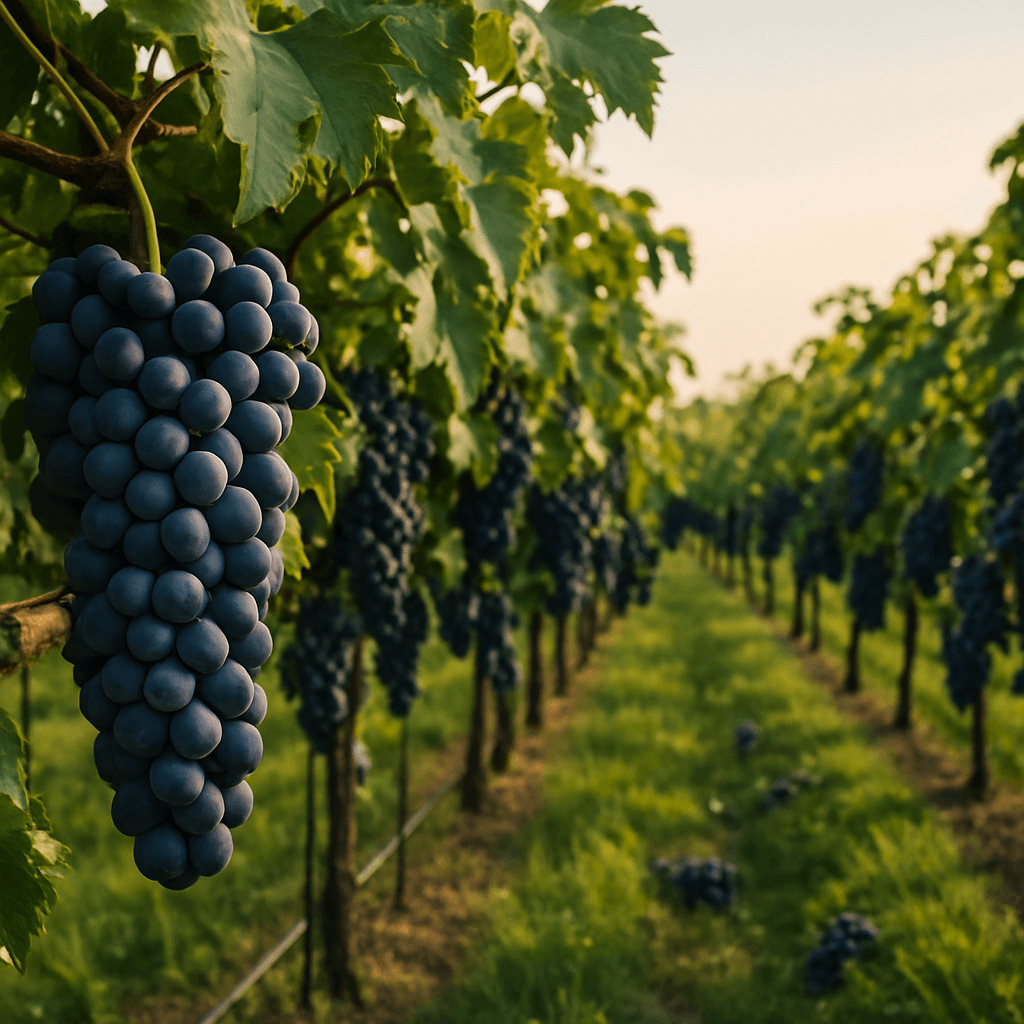
  • 果园与葡萄园:促进微生物多样性与长期肥力,适用于多年生作物生产体系。
  • 温室及高价值作物:提供稳定微生物群落,支持养分吸收,在可控环境下保持作物表现一致。
  • 有机与再生农业体系:OMRI 认证生物肥料和 CDFA 注册生物肥料,恢复微生物平衡,改善土壤健康,支持养分循环,无需合成投入品。

提升土壤肥力与结构

健康的土壤依赖活跃的微生物群落来循环养分并形成土壤团粒。Sunrise作为微生物土壤改良剂,可恢复土壤平衡,改善质地,并提升生物活性。

  • 产生多糖,将土壤颗粒结合成团聚体,改善土壤结构、孔隙度和通气性。
  • 加速有机质分解与腐殖质形成,提升长期土壤肥力。
  • 改善土壤团聚与稳定性,提高持水能力并增强根区氧气供应。
  • 在高强度耕作或退化土壤条件下,促进土壤微生物群落平衡。

优化养分与肥料利用效率

根际微生物的相互作用可改善养分循环,提高肥料效果。这款微生物生物肥可增强氮、磷、钾的有效性,实现作物高效营养供应。

  • 促进生物可利用氮,提高氮素利用效率,减少对合成氮肥的依赖。
  • 促进磷和钾的溶解,提高关键大量元素的可获得性。
  • 产生多种酶,加速养分分解与吸收。
  • 生成载铁蛋白(siderophore),螯合铁元素,促进微量元素吸收。

促进根系健康与发育

健康的根系是养分吸收、水分摄取及植株稳固的关键。作为植物的土壤益生菌,Sunrise能在根表定殖,促进植物早期生长发育。

  • 通过产生天然植物生长调节物质(IAA、IBA、CK、GA),刺激根系伸长、分枝及细根密度增加。
  • 在根系周围维持有益微生物群落,支持持续的养分交换。
  • 增强幼苗及成株的根系活力,促进均匀生长与稳健定植。

提升作物活力与抗逆性

通过多样化的代谢活动,Sunrise 可强化植物的天然防御与生长机制。该配方作为作物生物肥料,可在逆境条件下提升作物表现。

  • 产生抗生素类代谢物,诱导植物系统性抗性,维持根际平衡。
  • 在干旱、盐碱及养分胁迫条件下,提高养分吸收效率与光合作用稳定性。
  • 支持作物在不良土壤或气候环境中的均匀生长与持久抗逆性。

平衡土壤微生物群

稳定的微生物群落是养分循环与长期土壤生产力的关键。作为一款复合菌株生物肥料,Sunrise能促使有益微生物占据优势,维持健康的土壤生态系统。

  • 建立有益微生物群的主导地位,保持根际生态平衡。
  • 产生有机酸、酶和代谢物,维持微生物稳定性并抑制群落失衡。
  • 增强土壤生态系统的韧性,巩固长期肥力与结构稳定。

为何选择 Sunrise?

  • 多菌株复合配方:结合多种有益细菌与真菌,为土壤与植物提供全面支持。
  • 高活性芽孢型配方:每克含 500亿 CFU 的粉剂,确保微生物在储存及田间使用中的高活性、良好定殖与稳定性。
  • 提高肥料利用率:促进养分有效性与生物氮循环,优化肥料施用方案。
  • 集土壤、根系与植株健康于一体:兼具微生物土壤改良剂、生物肥料及植物益生菌三重功能。
  • 通过 OMRI 认证 & 获得 CDFA 注册:可用于有机农业体系,并在加州合法注册销售与分销。
  • 美国制造,值得信赖:可提供批量、经销、OEM及自有品牌包装,适用于经销商与农业投入品企业。

如果您正在寻找 高CFU土壤益生型生物肥料 来实现可持续农业,Sunrise是一款经验证的、通过 OMRI 认证 的高效配方,能在多种种植体系中提升土壤肥力、养分利用率与作物抗逆性。
由生产商直接提供 批发、OEM、自有品牌及大宗供应,Sunrise 为可持续农业生产奠定可靠的生物基础。

Technical Data

浓度(CFU/g):

  • 粉末: 500 亿 CFU/g (5×10^10 CFU/g)
  • 可根据要求提供定制浓度

颗粒尺寸(网格):

  • 通过 100 目筛分;兼容 100 目筛网

包装选项:

  • 22 磅(10 千克)桶;44 磅(20 千克)桶;340 磅(155 千克)桶
  • 可根据要求提供定制/OEM 和更小的格式

保质期:

  • 室温下保存 18 个月;冷藏 24 个月
  • 存放在阴凉干燥的地方,避免阳光直射;每次使用后重新密封
Range Optimal
pH Range
Temperature
Application Rates

特色作物(Specialty Crops)

常规方案(General Program)

  • 每次通过滴灌或喷灌向根区施用 13 g/英亩(32 g/公顷),每 1–2周一次,贯穿整个作物生长周期。
  • Sunrise充分混入无氯水中,施用过程中保持轻微搅拌以防沉淀。
  • 每次施用后,用清水短时冲洗管线以清除残留。
  • 可通过100目过滤网使用。

频率与时间(Frequency & Timing)

  • 每个作物周期至少施用三次,以获得最佳效果。
  • 如果施用次数减少,应增加用量,并重点在开花前两周至果实发育期施用。

可选方案(Alternate Application Options)

  • 每月施用:每英亩50 g(每公顷125 g),集中施于根区,确保微生物良好定殖。
  • 单次施用:每英亩100–200 g(每公顷 250–500g),作物周期内一次性施于根区,集中增强微生物活性。

大田作物(Row Crops)

穴施(In-Furrow Applications)

  • 为获得最佳效果,每个作物周期施用两次:
    • 第一次:播种时穴施 13 g/英亩(32 g/公顷)
    • 第二次:3–6 周后随耕作或追肥穴施      50 g/英亩(125 g/公顷)

灌溉施用(Pivot, Drip, Sprinkler Systems)

  • 每季通过灌溉施用50 g/英亩(125 g/公顷),施用 2–3次,每次间隔 3–6周。
  • 第一次施用在根系萌发后,随后在植株旺盛生长期继续施用,以维持根区强活性微生物群落。

注意事项(Notes)

  • 兑水时应尽可能使用无氯水,并保持轻微搅拌以防沉淀。
  • 每次施用后,用清水短时冲洗灌溉管线。
  • 可用100目过滤网,和大多数液态肥兼容
产品基础知识

问:Sunrise 是什么?这种土壤接种剂如何Q起效?

答:Sunrise 是一款高CFU、多菌株微生物接种剂及土壤益生菌型生物肥料,结合芽孢杆菌、短芽孢杆菌、假单胞菌、木霉菌、曲霉菌、青霉菌等有益微生物。它们在根际定殖,溶解养分,产生有机酸和酶,维持土壤微生物平衡,从而增强养分循环、促进根系生长,并提升作物抗逆性。

问:Sunrise是否通过OMRI认证和CDFA注册?

答:是的。Sunrise已获OMRI认证,可用于认证有机生产体系;同时在加州获得 CDFA注册,作为微生物土壤改良剂销售与使用。产品仅含天然微生物,无转基因成分,适用于有机、再生及传统农业体系。

问:为何选择多菌株复合制剂而非单菌株生物肥料?

答:单一菌株仅能发挥特定功能,而像Sunrise这样的多菌株复合制剂可在根际产生协同作用。芽孢杆菌、短芽孢杆菌、假单胞菌促进养分溶解和根系生长;有益真菌增强有机质分解和土壤结构,形成平衡微生物群落,效果更广泛且稳定。

问:这种微生物复合制剂对作物和土壤生态安全么?

答:安全。Sunrise 仅含天然、无致病性菌株和真菌,不含合成或转基因生物,对植物、土壤及有益微生物安全。


技术性能

问:如何提升土壤肥力和养分有效性?

答:Sunrise 通过微生物养分循环和酶活性增强土壤肥力:

  • 产生有机酸,溶解固定的磷和钾;
  • 促进生物可利用氮,减少对合成氮肥依赖;
  • 生成载铁蛋白,提高微量元素吸收;
  • 分泌酶(纤维素酶、蛋白酶、淀粉酶),加速有机质分解。

问:如何促进根系发育和作物生长?

答:芽孢杆菌、短芽孢杆菌、假单胞菌产生天然植物激素(IAA、IBA、CK、GA),刺激根系伸长、分枝和细根密度;木霉菌、曲霉菌、青霉菌等真菌定殖根际,释放分解有机质的酶,改善土壤结构,增强根系固定与植株定植。

问:在胁迫条件下是否有效?

答:有效。通过维持平衡微生物群落和刺激系统性植物反应,增强作物对干旱、盐碱、养分失衡等非生物胁迫的耐受性,并在高投入或密集管理条件下维持生长一致性。

问:是否提高肥料利用效率?

答:是的。Sunrise 可释放固定磷和微量元素,并增强根区氮循环,提高肥料利用率。

问:保质期与储存条件?

答:Sunrise 由于其高活菌数、芽孢型配方,具有较长的保质期。若储存在阴凉干燥、避免阳光直射和潮湿的环境中,可保持18个月的活性。未使用时请保持密封,避免长时间暴露于高温或高湿环境,以维持微生物活性和活菌数含量。

问:兑水后稳定性如何?

答:兑入无氯水后可稳定活性 12–24 小时。建议当天使用,避免热水、氯水或强化学品,并保持轻微搅拌。


系统应用程序

问:哪些作物适合使用 Sunrise?

答:Sunrise 是一款适用于再生农业的生物制剂,能够支持多种农业生产体系:

  • 园艺及蔬菜作物:增强根系生长和移栽成活率;
  • 大田作物与谷物:改善养分利用效率,优化土壤结构;
  • 果树及葡萄园:促进微生物多样性和长期土壤肥力;
  • 温室及高价值作物:在可控环境下提供持续稳定的微生物支持;
  • 有机与再生农业体系:OMRI认证,CDFA注册,支持微生物管理方案。

问:可否兑水后通过灌溉或施肥系统施用?

答:可以。Sunrise 为水分散、芽孢型微生物接种剂,可兑入无氯水,通过灌溉、施肥或喷施系统施用。配方稳定,分布均匀,不易堵塞管路,并与大多数养分程序兼容。

问:通常在田间如何施用?

答:可通过土壤灌根、穴施、种子处理、叶面喷施或灌溉施用,也可与其他微生物肥料混合使用。

问:能与肥料或堆肥一起使用吗?

答:可以。可与有机物料、堆肥、腐植酸及液体肥料配合使用,但需避免高温和含氯水。

问:能与农药混用吗?

答:应避免与化学农药或强氧化剂同时施用,这会降低微生物活性。如需同时使用,应至少间隔72小时以上,不要与含氯水或强化学品混合。

问:能改善贫瘠或有机质低下土壤吗?

答:可以。通过分解残留物并分泌多糖,将土壤颗粒结合成团聚体,增强有机质稳定性,特别适合贫瘠或板结土壤。


格式和包装

问:以何种形式提供?

答:Sunrise为高活菌数微生物接种剂,有如下商业批量形式供应

  • 粉剂:10 kg / 20 kg桶装,155 kg大桶装;
  • 定制配方:支持OEM和自有品牌。

问:Sunrise可以批发购买或作为自有品牌(Private-label)采购吗?

答:可以。提供批量、批发、OEM 和自有品牌包装,适合经销商、整合商及农业投入品公司。


购买与分销

问:哪里可以买到高活菌数微生物接种剂?

答:Sunrise 由生产商直接销售,提供批量、批发、OEM与自有品牌包装,是可靠的OMRI 认证多菌株生物刺激剂,适用于有机与再生农业体系。

问:生产商是谁?如何生产?

答:我们全程自主生产,严格质量控制,每批次检测CFU、菌株纯度和稳定性,确保田间表现一致。直接从生产商购买可获得可靠供应链。

问:如何获取报价或样品?

答:联系销售团队申请报价或样品。高 CFU 多菌株微生物接种剂适用于农业生产者、投入品分销商及整合商。
Case Studies

Sunrise Soil Inoculant Field Trial: 36% Tomato Yield Increase in Georgia

问题:
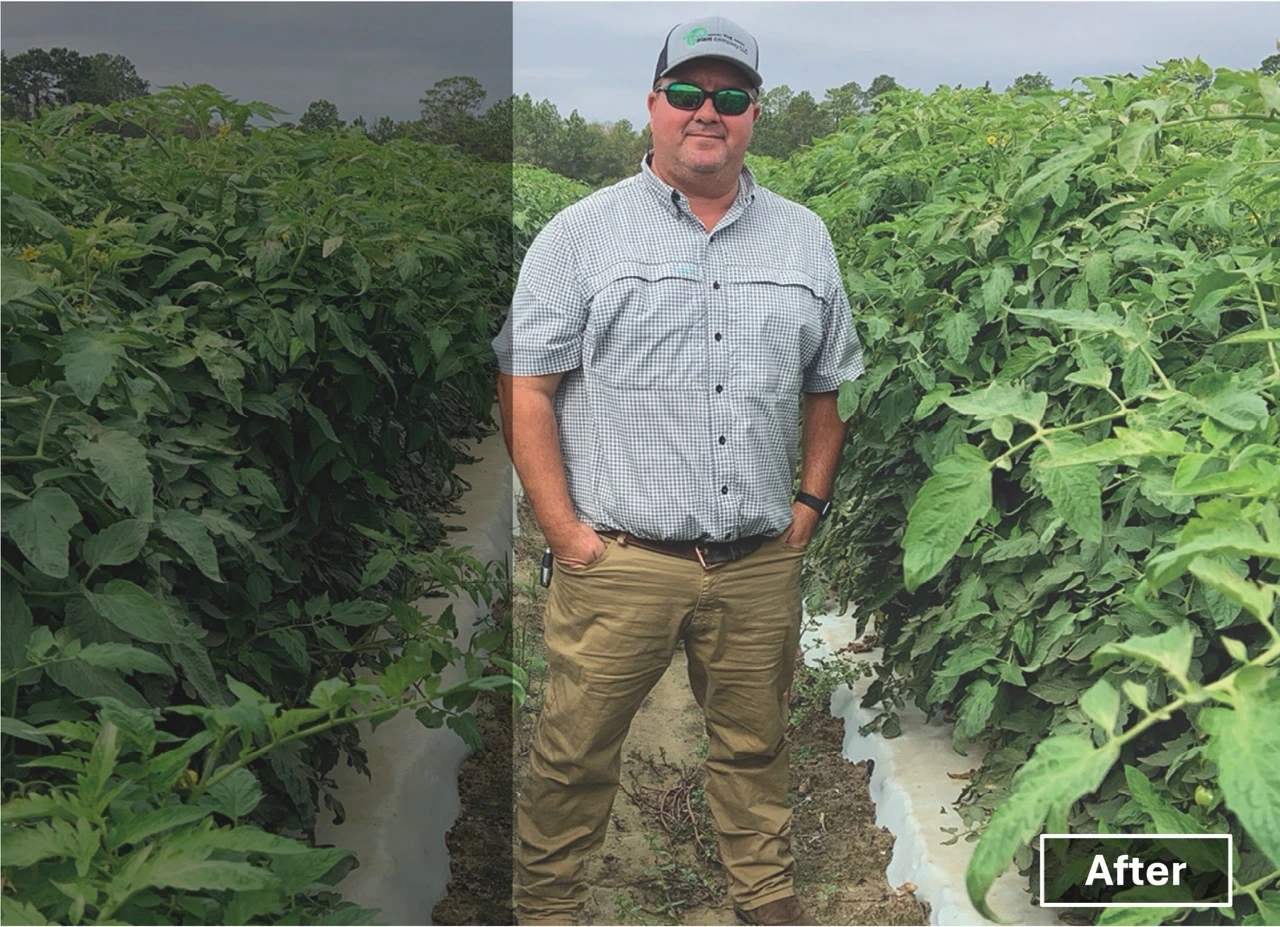
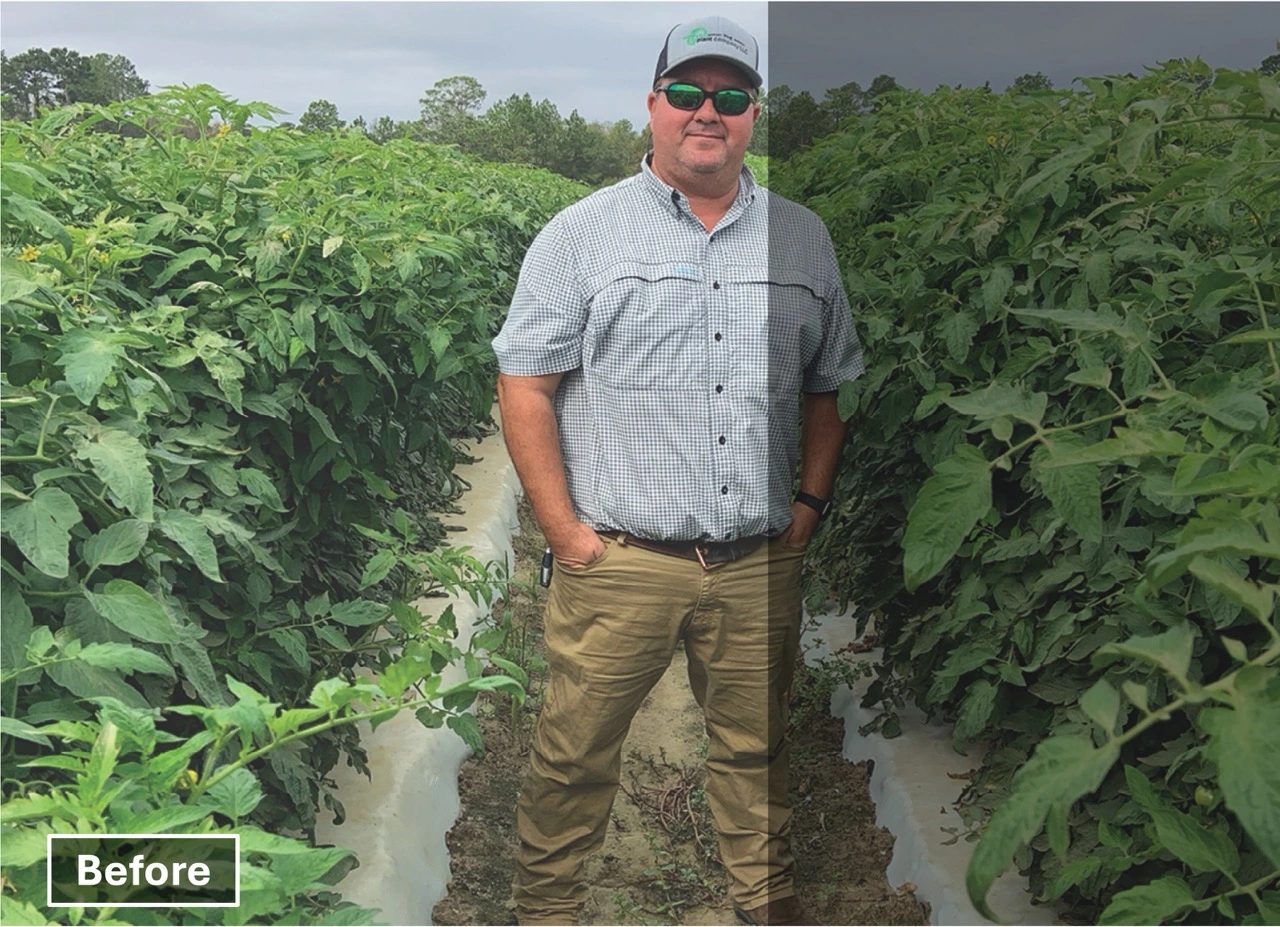
A commercial tomato grower in Georgia needed to improve plant vigor, root development, and marketable yield without increasing fertilizer inputs. The goal was stronger early-season establishment, better nutrient uptake from existing fertility programs, and more cartons per acre from a comparable production area. During the Spring 2019 crop, Sunrise from Bio-Green Planet was applied to a 20-acre treated zone and compared against a 20-acre untreated control to measure the impact on yield, crop quality, and gross profit per acre. Sunrise is a multi-strain microbial inoculant containing beneficial soil bacteria that colonize the root zone and enhance nutrient cycling, root strength, and overall soil biology.
之前
The non-treated 20-acre zone averaged 2,200 cartons per acre, producing 44,000 total cartons. At $12 per carton, gross profit came to $26,400 per acre and $528,000 total. According to the grower, untreated plants showed weaker vegetation, less root development, and more vulnerability to environmental stress throughout the season. Without the support of beneficial soil microbes, the root zone remained shallow and underdeveloped, limiting the plants' ability to access nutrients already present in the soil. This meant the crop was more dependent on supplemental fertilizer applications to maintain growth, adding input costs without a corresponding bump in yield. The grower also observed higher incidence of blossom end rot and sun scald damage in the untreated block, both of which pulled down the percentage of fruit that graded as marketable. Weaker canopy coverage left fruit exposed to direct sun, while inconsistent calcium uptake contributed to physiological disorders that further reduced packable cartons. For a commercial operation already investing heavily in fertility and crop protection, the untreated zone represented a ceiling on what conventional inputs alone could deliver from that ground.
之后
In the treated zone, yield jumped to 3,000 cartons per acre, an increase of 800 cartons per acre and 16,000 additional cartons overall. Gross profit rose to $36,000 per acre ($720,000 total), a gain of $9,600 per acre and $192,000 across the full block. That represents a 36% increase in both marketable yield and gross revenue, with a product cost of just $115 per acre and an ROI above 8,000%. Beyond the numbers, the grower reported visibly bushier plants with stronger root systems and improved vegetation. Blossom end rot in both tomato and pepper was minimal to nonexistent, likely due to improved calcium uptake driven by the microbial soil amendment. The denser canopy also helped protect fruit from sun scald, meaning more tomatoes graded as marketable. The grower noted a reduced need for supplemental fertilizer, pointing to improved nutrient efficiency from the beneficial soil biology introduced by Sunrise. For Southeast tomato operations looking to increase marketable cartons per acre, strengthen root development, and get more return from existing fertility programs, this side-by-side field comparison shows what a biological crop input like Sunrise can deliver under real commercial production conditions.
在此处下载案例研究:
download

Sunrise Strawberry Trial: 24% More Fruit and Higher Brix in Chinese Greenhouse Production

问题:
A commercial strawberry grower in China wanted to increase fruit count and improve fruit quality over the winter production season without changing the existing fertility program. The goal was more marketable berries per plant and higher sugar content (Brix), both of which directly affect packout rates and premium pricing in the Chinese fresh market. During the December 2022 to February 2023 growing season, Sunrise from Bio-Green Planet, a multi-strain microbial inoculant and biofertilizer, was applied to a treated zone in an elevated tabletop greenhouse system and compared against an untreated control to measure differences in fruit count, soluble solids content, and overall plant vigor across three months of production.
之前
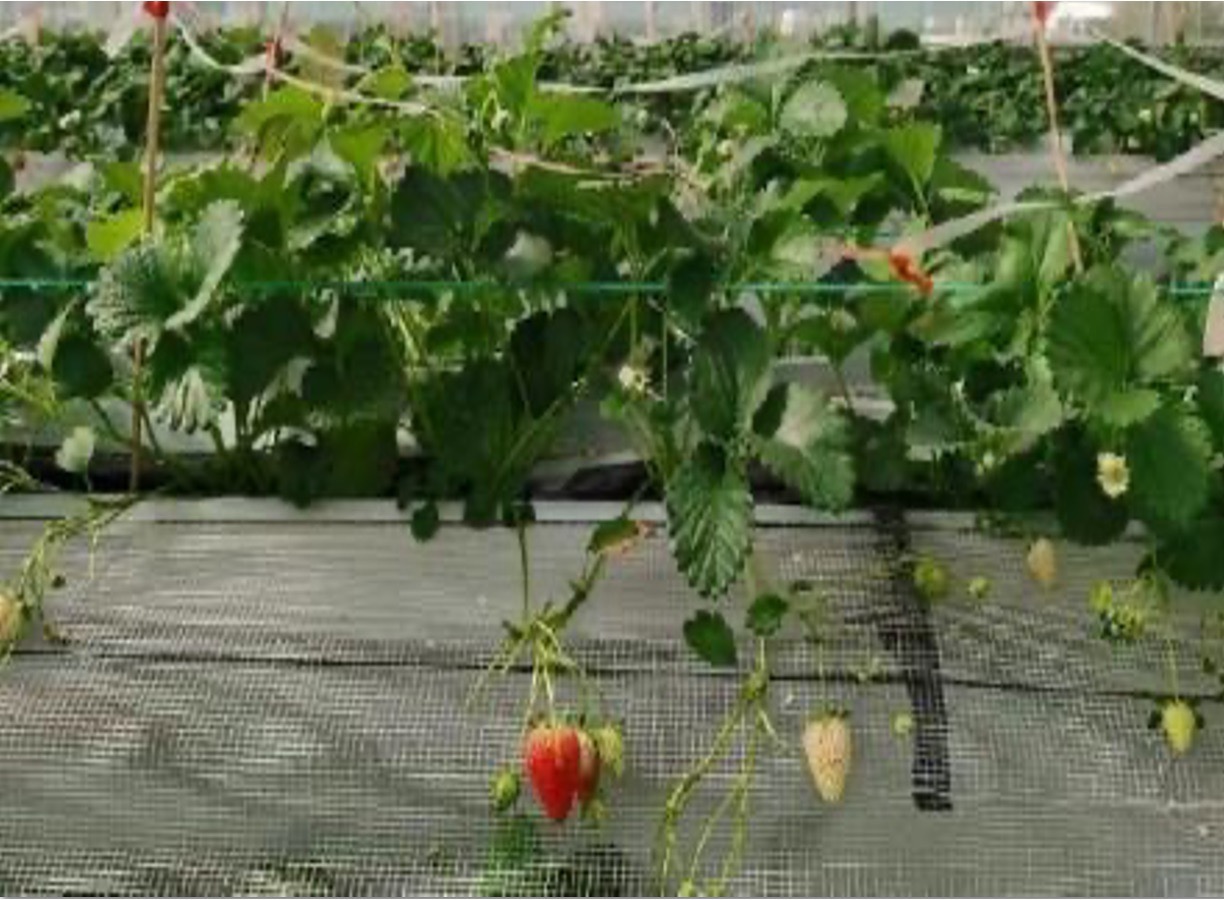
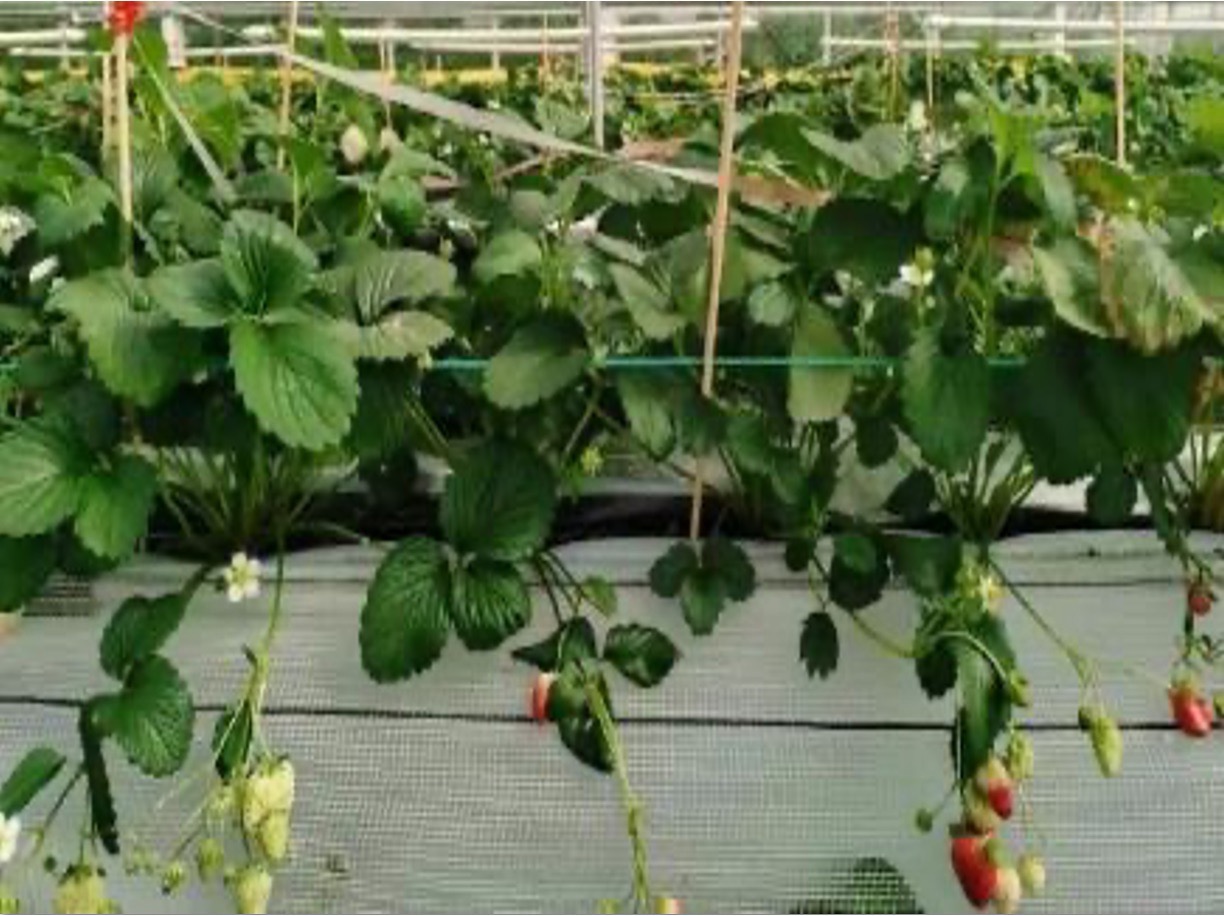
The untreated control zone averaged 34 fruit per plant in December, rising to 79 in January and 89 in February, for a seasonal average of 202 fruit per plant across the three-month trial. While production did increase month over month as the crop matured, the untreated plants showed visibly thinner canopy development and less vigorous growth compared to the treated block. Fruit quality also declined as the season progressed. Brix readings in the control started at 10.72 in December but dropped steadily to 9.86 in January and 9.64 in February, a consistent downward trend that signals weakening nutrient uptake and reduced sugar accumulation in the fruit. For a fresh-market operation where sweetness drives buyer preference and premium pricing, that kind of seasonal Brix decline translates directly to lower packout value. Without the support of beneficial soil microbes in the root zone, the plants struggled to maintain both yield and quality as the season wore on and nutrient demand increased.
之后
In the treated zone, fruit count jumped to 40 per plant in December, 106 in January, and 105 in February, totaling 251 fruit per plant over the season. That represents a 24% increase in total fruit production compared to the untreated control, with the biggest gains coming during peak harvest in January, where treated plants produced 34% more fruit. Brix readings told an equally strong story. Treated plants measured 11.22 in December, 10.86 in January, and 10.71 in February, consistently outperforming the control by roughly a full Brix point every month. More importantly, while the untreated control saw sugar content fall from 10.72 to 9.64 over the season, the treated zone held above 10.7 throughout, showing that the microbial inoculant helped the plants sustain nutrient efficiency and sugar production even as seasonal demand increased. Visually, treated plants showed noticeably denser foliage, stronger canopy development, and heavier fruit set, with more berries reaching full color and market-ready condition. For greenhouse strawberry operations targeting the fresh market, this trial demonstrates that a biological crop input like Sunrise can deliver both more fruit and better fruit, the combination that drives real revenue gains at the packhouse.
在此处下载案例研究:
download