- Products
- Overview
- Product Forms / Packaging
- Plant Health
- Wastewater
- Livestock Waste
- Aquaculture & Ponds
- Petroleum & Grease
- Case Studies
- Buy
- About
- Contact

Sunrise is an OMRI Listed, CDFA registered microbial biofertilizer and soil biostimulant for commercial and specialty crop programs. It combines Bacillus, Brevibacillus and Pseudomonas bacteria with Trichoderma, Aspergillus and Penicillium fungi in one dry-powder consortium at 50 billion CFU per gram. These microbes colonize the rhizosphere, solubilize bound phosphorus and micronutrients, improve biological nitrogen availability and rebuild soil structure, so the fertilizer already in the program goes further.
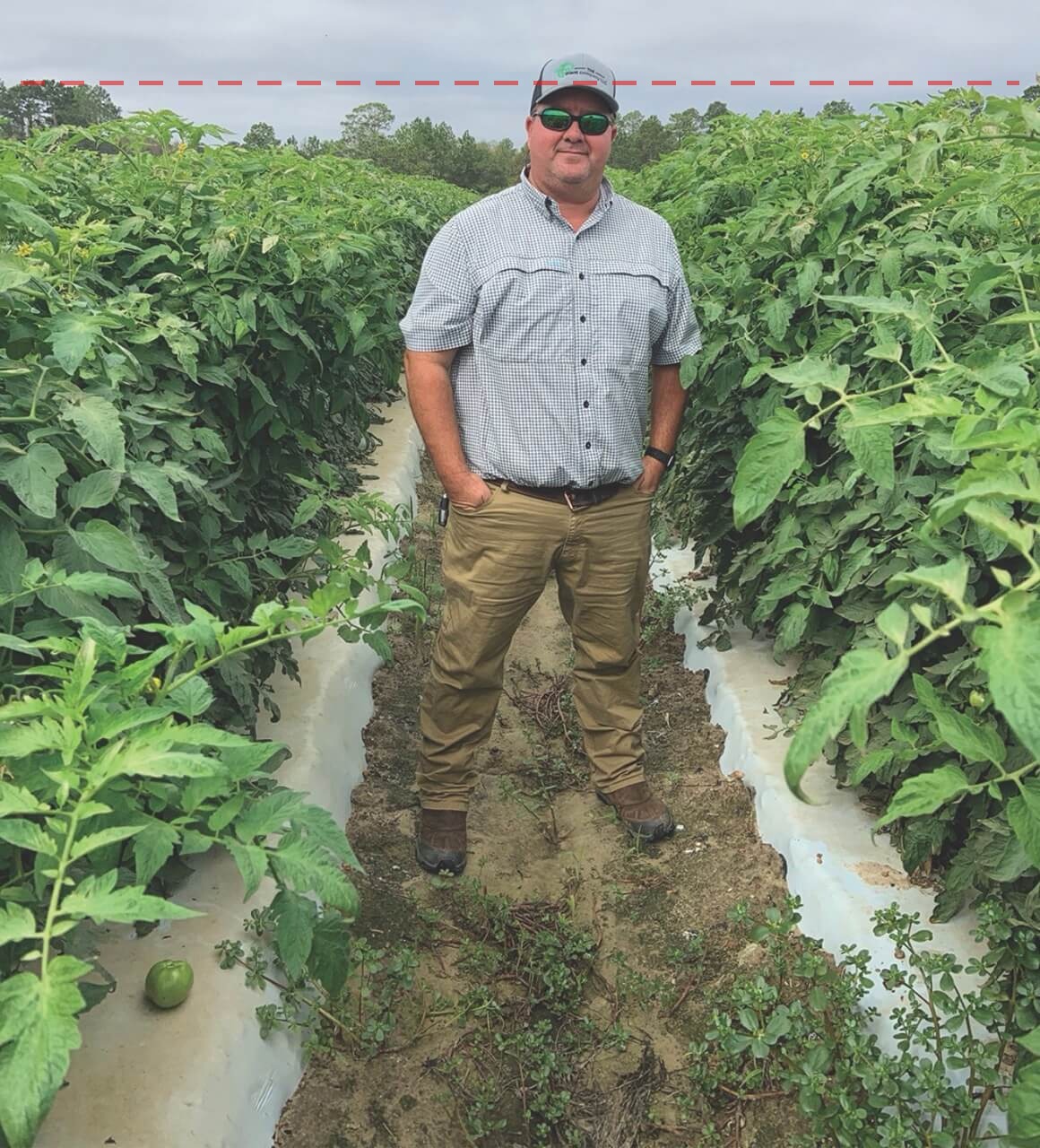
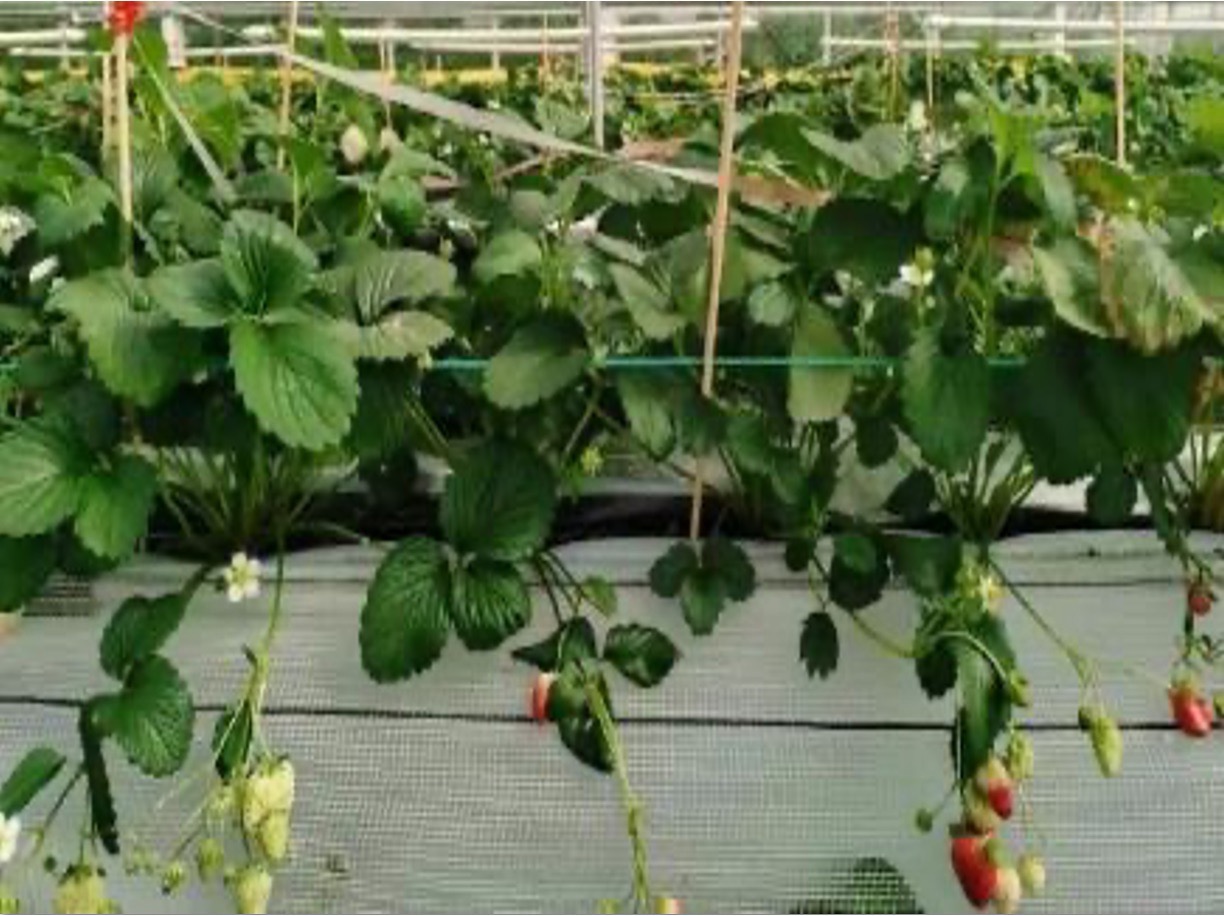
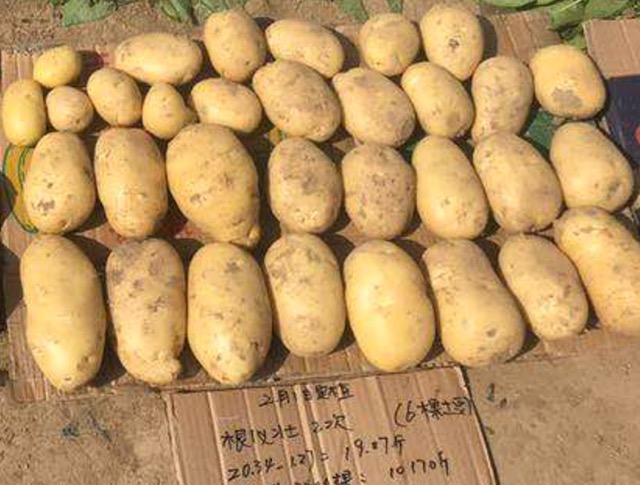
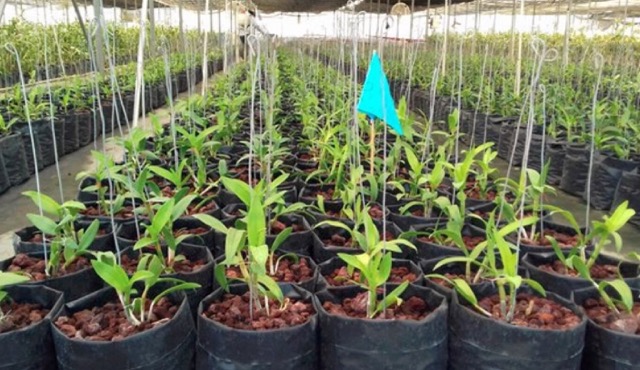
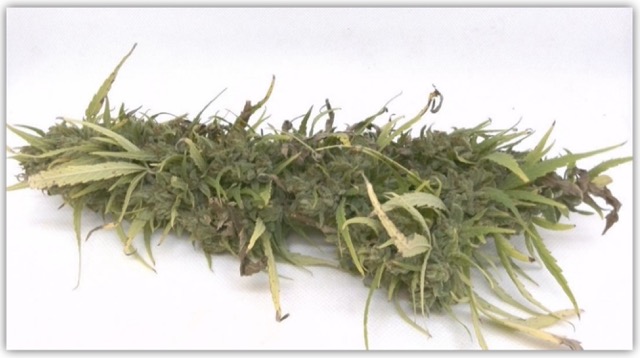
Six field trials are documented on this page. A Georgia commercial tomato grower recorded 36% more marketable cartons per acre and about $192,000 in added gross revenue on a $115 per acre program. Rice grown on saline-alkali paddy soil at pH 9 to 10 in Jilin yielded 182% more. Commercial potato in Shandong gained 31% with more uniform tubers, greenhouse strawberry produced 24% more fruit per plant at higher brix, South Carolina hemp measured 25% higher CBD, and a Mexican orchid producer recorded 157% more blooms. Each trial has a full PDF below.
At 13 g per acre, a 22 lb (10 kg) pail treats up to 769 acres per application and a 340 lb (155 kg) drum up to 11,923 acres. Freight per treated acre stays low enough to ship into distributor and export programs.
Continuous cropping, heavy fertilizer programs and repeated tillage all pull in the same direction. Microbial diversity narrows, nutrient cycling slows and soil structure breaks down. The soil then needs more fertilizer to do the same work, and the crop shows it first under drought, salinity or a cold wet start.
Sunrise is a multi-strain soil inoculant and microbial biofertilizer built to put that biology back. It is a dry, spore-forming powder at 50 billion CFU per gram that disperses in non-chlorinated water and goes out through the irrigation, fertigation or in-furrow equipment already in the field. At the 13 g per acre rate a single 22 lb pail covers up to 769 acres per application, which is what makes it economical to freight into distributor and export programs.
Sunrise pairs three bacterial genera with three fungal genera rather than relying on one organism to do everything. The Bacillus fraction includes Bacillus velezensis, one of the most studied plant-associated species in the genus, alongside Brevibacillus. Both act as phosphate-solubilizing and potassium-solubilizing bacteria, releasing organic acids and enzymes that convert bound nutrients into forms roots can take up. Pseudomonas species are classic plant growth promoting rhizobacteria: they colonize the root surface, produce siderophores that chelate iron, and synthesize the auxins and cytokinins (IAA, IBA, CK, GA) that drive root elongation.
The fungal side, Trichoderma, Aspergillus and Penicillium, works on the material the bacteria cannot reach. These species break down crop residue, recycle organic matter, release phosphorus held in it, and secrete polysaccharides that glue soil particles into stable aggregates.
The reason to use a consortium rather than a single strain is coverage. One organism performs one set of functions well and leaves gaps. Six working together cover solubilization, hormone production, residue breakdown and aggregate formation at the same time, which is why results hold up across soil types instead of only in the conditions that suit one strain.
Soil that performs is soil with active biology in it. As an organic soil amendment, Sunrise works on structure and fertility together rather than adding a nutrient charge and leaving.
Most of the phosphorus and micronutrient load already in a field is present but locked up. A microbial fertilizer does not add nutrients so much as unlock the ones sitting there, which is why growers see the effect as better return on the fertilizer they were buying anyway.
Roots are where the return actually comes from. Beneficial bacteria for plants work at the root surface, and Sunrise is formulated to colonize it early and stay.
The plant growth promoting rhizobacteria in the blend produce natural growth regulators that increase root elongation, branching and fine root density. More fine root means more surface area for water and nutrient uptake, which shows up as faster establishment in transplants and more uniform stands in direct seeded crops. The fungal fraction adds structural support, opening the soil around the root so it can actually extend.
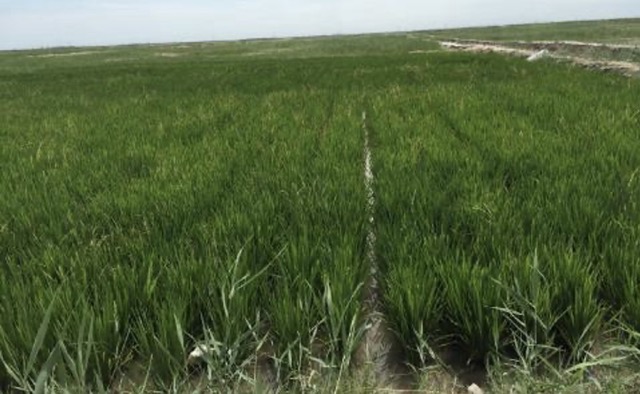
A biostimulant is judged on what happens when conditions are not ideal. The clearest evidence for Sunrise as a plant biostimulant came from paddy soil in Jilin at pH 9 to 10, ground alkaline enough that most inputs do nothing. Treated rice yielded 182% more than the control.
The mechanism is not exotic. A functioning rhizosphere community keeps nutrient uptake and photosynthetic activity steadier when the plant is under drought, salt or nutrient stress, and a plant that stays fed through a stress event recovers instead of stalling. In practical terms this is the difference between a uniform field and a patchy one after a hard week.
Introducing a large, diverse population of beneficial organisms changes what dominates the root zone. Sunrise establishes a competitive community that occupies space and consumes the substrate, and it produces organic acids, enzymes and metabolites that keep that community stable over the season. The result is a rhizosphere that stays biologically balanced under intensive management, rather than drifting the way an unmanaged one does.
Sunrise is a multi crop inoculant, not a crop-specific product, and the six field trials on this page span vegetables, cereals, tubers, fruit, fiber and ornamentals.
Sunrise is suitable for hydroponics, soilless media and recirculating nutrient systems, not only field soil. Coco coir, rockwool, perlite and clay pebbles start biologically empty, so a root zone in an inert medium has nothing living in it until something is added. That is the gap a hydroponic beneficial bacteria product fills.
The same mechanisms apply without the soil. The Pseudomonas and Bacillus fraction colonizes the root surface, produces the growth regulators that drive fine root density, and chelates iron and micronutrients in the solution so they stay plant-available instead of precipitating out. In a recirculating system the population persists in the root mass between top-ups rather than washing straight through.
Published rates on this page are given per acre for field and greenhouse programs. For reservoir volume dosing in hydroponic and recirculating installations, contact the technical team with your system size and cycle and we will size it for you.
It mixes into a liquid biofertilizer solution in non-chlorinated water and can also go out by soil drench, in-furrow, seed treatment, foliar spray or fertigation.
Sunrise is sold direct by the manufacturer. We produce it in Belgium, Wisconsin and verify every batch for CFU count, strain purity and stability before it ships, which is the part most buyers comparing microbial fertilizer companies actually need to check. A high spore count biofertilizer only performs if the count on the label is the count in the bag.
For pricing, samples or distributor terms, contact the sales team.
Concentration (CFU/g):
Organisms:
Particle Size (Mesh):
Packaging Options:
Coverage:
Shelf-life:
Regulatory:
General Program
Frequency & Timing
Alternate Application Options
In-Furrow Applications
Irrigation Applications (Pivot, Drip, or Sprinkler Systems)
Notes
Sunrise is a high-CFU, multi-strain microbial inoculant and soil probiotic biofertilizer combining beneficial Bacillus, Brevibacillus, Pseudomonas, Trichoderma, Aspergillus, and Penicillium. These microbes colonize the rhizosphere, solubilize nutrients, produce organic acids and enzymes, and support a balanced soil microbiome, enhancing nutrient cycling, root growth, and crop resilience.
Yes. Sunrise is OMRI Listed for use in certified organic production and CDFA registered for sale and distribution in California as a microbial soil amendment. It contains only naturally occurring, non-GMO microbes compatible with organic, regenerative, and conventional agriculture programs.
Single microbes perform specific functions, but multi-strain consortia like Sunrise create synergistic interactions in the rhizosphere. Bacillus, Brevibacillus, and Pseudomonas improve nutrient solubilization and root growth, while beneficial fungi enhance organic matter breakdown and soil structure. The result is a balanced microbial community that delivers broader and more consistent benefits than single-strain products.
Yes. Sunrise is a soil probiotic that contains only naturally occurring, non-pathogenic bacteria and fungi. It is safe for plants, soils, and beneficial microbes and does not introduce any synthetic or genetically modified organisms.
Sunrise enhances soil fertility through biological nutrient cycling and enzyme activity. Its microbes:
The Bacillus, Brevibacillus, and Pseudomonas components act as plant growth-promoting microbes, producing natural hormones (IAA, IBA, CK, GA) that stimulate root elongation and fine-root density for improved nutrient and water uptake. The beneficial fungi (Trichoderma, Aspergillus, and Penicillium) also enhance root health by colonizing the rhizosphere, releasing enzymes that decompose organic matter, and improving soil structure for stronger root anchoring and consistent plant establishment.
Yes. By maintaining a balanced microbiome and stimulating systemic plant responses, Sunrise bacterial biofertilizer enhances tolerance to drought, salinity, nutrient imbalance, and other abiotic stresses. It also promotes consistent growth under high-input or intensive management conditions.
Yes. This crop inoculant acts as a microbial biofertilizer that improves nutrient-use efficiency. It helps unlock bound phosphorus and micronutrients while enhancing nitrogen cycling in the root zone, allowing growers to get more out of their existing fertilizer programs.
Sunrise has a long shelf life due to its high-CFU, spore-forming formulation. Stored in a cool, dry location away from direct sunlight and moisture, it remains viable for 18 months at room temperature and 24 months refrigerated. Keep sealed when not in use, and avoid prolonged exposure to high temperatures or humidity to maintain full microbial activity and CFU count.
Once mixed in non-chlorinated water, Sunrise remains stable and active for up to 12 to 24 hours. For best results, apply the solution the same day it is prepared to ensure maximum microbial viability. Avoid mixing with hot water, chlorinated sources, or harsh chemicals, and maintain gentle agitation if the mixture is held before application.
Sunrise is a regenerative agriculture biological that supports a wide range of agricultural systems:
Yes. Our bioinoculant is a water-dispersible, spore-forming microbial inoculant that can be mixed in non-chlorinated water and applied through irrigation, fertigation, or spray systems. Its stable formulation allows for uniform distribution without clogging and is compatible with most nutrient programs.
Sunrise can be applied through soil drench, in-furrow application, seed treatment, foliar spray, or fertigation and can also be blended with other microbial fertilizers.
Yes. This soil inoculant integrates well with organic matter inputs and standard fertility programs. It can be used alongside compost, humic acids, and liquid fertilizers as long as extreme heat and high-chlorine water are avoided.
Avoid applying Sunrise at the same time as chemical pesticides or strong oxidizers. Such products can reduce microbial viability. If both are required, apply Sunrise at least 72 hours before or after pesticide applications. Do not tank-mix with harsh chemicals or chlorinated water.
Yes. By decomposing residues and producing polysaccharides that bind soil particles, it acts as a biological soil conditioner that enhances aggregation and organic matter stability, making it especially useful for depleted or compacted soils.
Sunrise is produced as a high-CFU microbial inoculant offered in commercial bulk formats:
At the 13 g per acre rate, one 22 lb pail treats up to 769 acres per application and a 340 lb drum treats up to 11,923 acres, which keeps freight economical for export and distributor programs.
Yes. Our Sunrise soil probiotic is available in bulk, wholesale, OEM, and private-label formats, making it a flexible solution for distributors, integrators, and agricultural input companies seeking a trusted microbial fertilizer manufacturer.
Sunrise is for sale directly from the producer in bulk, wholesale, OEM, and private-label formats. It is a trusted OMRI Listed microbial biofertilizer for growers and distributors seeking a reliable multi-strain biostimulant for organic and regenerative farming systems.
We manufacture this multi-strain biofertilizer in-house at our Belgium, Wisconsin facility under strict quality control and traceability standards. Each batch is verified for CFU count, strain purity, and stability to ensure consistent field performance. Buying direct from the producer eliminates middle layers and provides a dependable supply chain for bulk microbial inputs.
Yes. Contact our sales team for quotes or sample requests. This high-CFU microbial consortium for agriculture is available in commercial packaging for agricultural producers, input distributors, and integrators.