Case Study

Mexico Specialty Orchid Trial: 157% More Blooms and 87% More Branches with Beneficial Soil Microbes

In a 4-month commercial orchid trial in Mexico, Sunrise Soil Probiotic, an OMRI Listed and CDFA registered microbial biofertilizer of beneficial bacteria and fungi, lifted blooms per plant 157% (127 to 327, roughly 2.6x the untreated control) and branches per plant 87.5% (36 to 67.5), from a single addition to the grower's existing nutrient program with no other input changed.

157%
more blooms per plant
87.5%
more branches per plant
2.6x
the control bloom count

Results at a glance

MetricUntreated controlSunrise treated
Blooms per plant127327 (+157%)
Branches per plant3667.5 (+87.5%)
Plant fullnessThinnerDenser, fuller
Trial length4 months4 months

The challenge

A specialty orchid grower in Mexico wanted more blooms and denser branching per plant without overhauling the fertilizer program already in place. In commercial orchid production, bloom count and branching are the two traits buyers grade on hardest, so they set the plant's value and its price at point of sale. The grower needed an orchid fertilizer input that could push flowering and fullness on top of the standard feed, not replace it. The trial put Sunrise Soil Probiotic, an OMRI Listed and CDFA registered multi-strain microbial inoculant of beneficial bacteria and fungi, against an untreated control under matched greenhouse conditions, measuring blooms and branches per plant over four months to isolate Sunrise as the only changed input.

What we did

A block of orchids on the grower's standard nutrient program was split into treated and untreated groups under the same greenhouse conditions. One group received Sunrise Soil Probiotic, a multi-strain microbial biofertilizer of beneficial bacteria and fungi, added to the existing feed. The other was left untreated as a head-to-head control. Blooms per plant and branches per plant were counted across both groups over the 4-month trial, so the only difference between them was the Sunrise application. That design attributes any gain in flowering or branching directly to the microbial inoculant rather than to a change in fertilizer, light, or growing conditions.
This is some text inside of a div block.
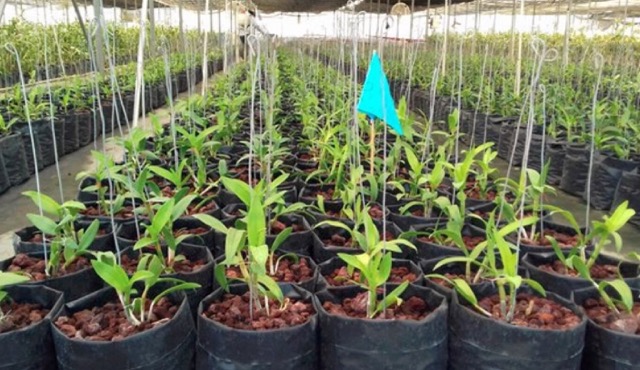
Untreated control: orchids on the standard program averaged 36 branches and 127 blooms per plant over the 4-month trial, with thinner branching and lower flower count.
This is some text inside of a div block.

Untreated control: orchids on the standard program averaged 36 branches and 127 blooms per plant over the 4-month trial, with thinner branching and lower flower count.

This is some text inside of a div block.
Sunrise treated: adding the microbial biofertilizer lifted plants to 67.5 branches and 327 blooms per plant, 2.6x the control bloom count, with denser, fuller, sale-ready growth.
This is some text inside of a div block.

Sunrise treated: adding the microbial biofertilizer lifted plants to 67.5 branches and 327 blooms per plant, 2.6x the control bloom count, with denser, fuller, sale-ready growth.

The results

The Sunrise-treated orchids averaged 327 blooms per plant against 127 in the untreated control, a 157% increase and roughly 2.6 times the control's flower count. Branching climbed just as clearly, from 36 branches per plant on the control to 67.5 on the treated plants, an 87.5% gain. Treated plants carried visibly denser foliage and fuller bloom spikes, the presentation that commands premium pricing on the fresh-market bench. The lift came from one addition to the grower's existing program, with no other input changed between the two groups. For specialty orchid producers, ornamental nurseries, and greenhouse growers looking for an organic orchid fertilizer that improves flowering, the trial shows what an OMRI Listed microbial biofertilizer can add on both bloom count and plant fullness.

The data

Blooms per plant
per plant
127
327
157% more blooms per plant, roughly 2.6x the untreated control
Branches per plant
per plant
36
67.5
87.5% more branches per plant on the treated group
This is some text inside of a div block.
Download the complete case study (PDF)

Frequently asked questions

What is the best fertilizer for orchids to bloom?

The biggest bloom gains come from pairing your regular orchid food with a biological input that improves nutrient uptake at the roots. In this Mexico trial, adding an OMRI Listed microbial biofertilizer to the same program grew blooms from 127 to 327 per plant, a 157% increase over an untreated control.

How do you get an orchid to produce more flower spikes and branches?

Flowering and branching depend on how efficiently the plant takes up nutrients. Treated orchids here reached 67.5 branches and 327 blooms per plant against 36 branches and 127 blooms on the control. The beneficial bacteria and fungi in Sunrise colonize the root zone and free up nutrients, so plants push more spikes and fuller growth.

Does organic orchid fertilizer actually work?

Yes. Sunrise Soil Probiotic is an OMRI Listed and CDFA registered microbial biofertilizer, so it fits organic and specialty programs, and it delivered a 157% bloom increase and 87.5% more branches in this head-to-head trial. It adds living beneficial microbes rather than synthetic salts.

Can a soil probiotic be used as an orchid bloom booster?

That is exactly what this trial measured. Used as a bloom booster on top of the grower's normal feed, Sunrise lifted bloom count to 2.6x the untreated control. The microbes improve nutrient availability during the flowering push instead of forcing growth with extra chemical fertilizer.

How often should you fertilize orchids with a microbial inoculant?

Sunrise is worked into your existing fertilizer and watering schedule so the microbes stay active in the root zone through the season. It is applied alongside your normal orchid food, not as a replacement, so you keep your current feeding routine and add the biological boost.

Will it work for orchids grown in pots and bark, not field soil?

Yes. This trial ran in potted greenhouse orchids, and the treated plants outperformed the control on both blooms and branches. The bacteria and fungi colonize the root zone in bark, media, and container mixes the same way they do in field soil.

Is this safe for specialty and commercial orchid production?

Sunrise is a multi-strain inoculant of beneficial bacteria and fungi built for professional and specialty crop programs, and it is OMRI Listed and CDFA registered. In this commercial trial it improved flowering and plant fullness with no change to the rest of the grower's program.

How much can blooms and branches increase with an orchid soil probiotic?

In this Mexico trial the treated orchids produced 157% more blooms and 87.5% more branches per plant than the untreated control over four months. Actual gains vary with variety, media, and program, but the trial shows a clear lift on both flower count and branching from adding the microbial biofertilizer.

sunrise

Product used in this trial

This is the product behind these results. Open its page for full specifications, packaging, and dosing rates.

Trial vs control

Have a lagoon or waste system with the same problem?

Tell us your system size and current numbers. We will recommend a starting dose and send a quote.

Request a Quote