- Products
- Overview
- Product Forms / Packaging
- Plant Health
- Wastewater
- Livestock Waste
- Aquaculture & Ponds
- Petroleum & Grease
- Case Studies
- Buy
- About
- Contact

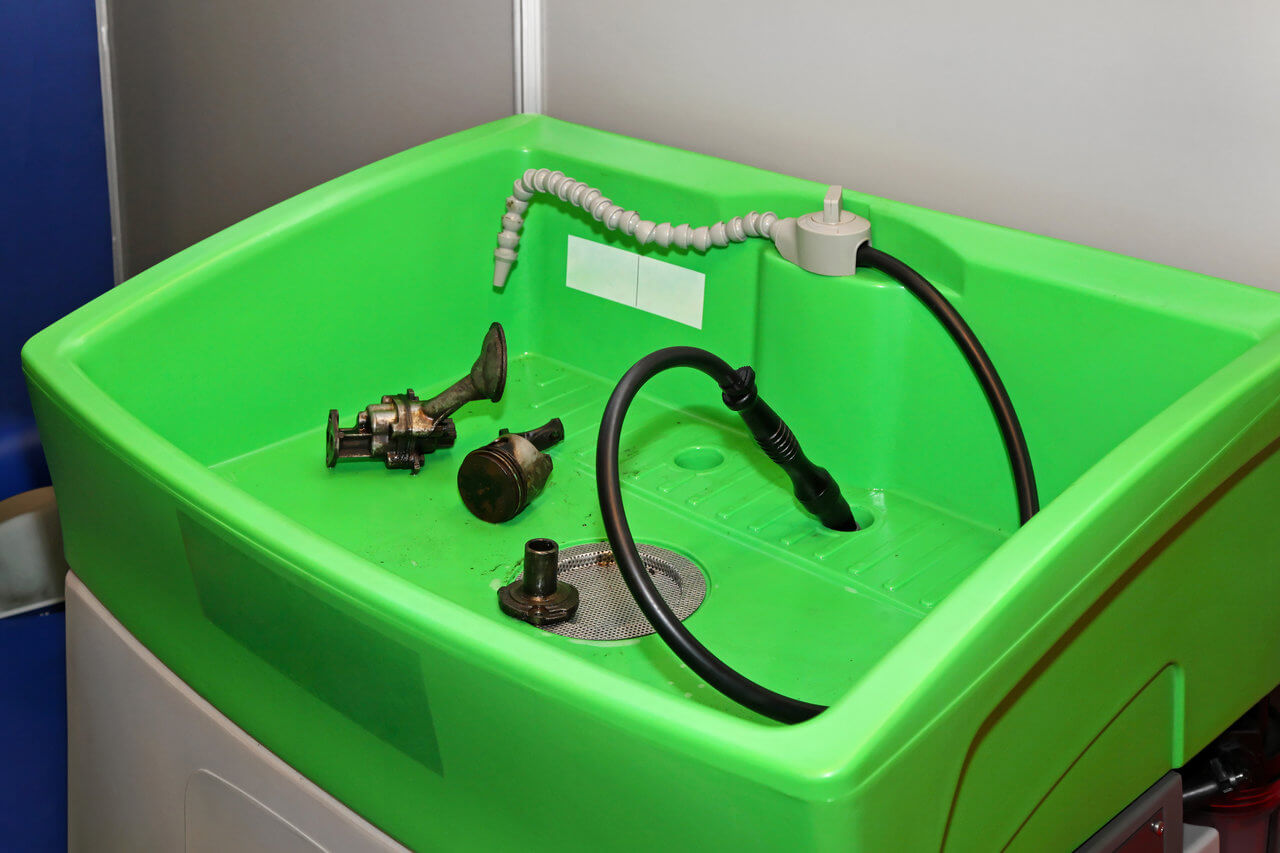
Parts washer fluid is expensive, and most of it gets thrown out while it is still mostly fluid. What ends a bath is the oil and grease that build up in it, not the water and not the detergent. Parts Washer Regenerator Tabs are a microbial additive that digests that load as it arrives, so the fluid you already buy lasts two to three times longer before it has to be changed.
It is a drop-in additive for water based parts washers, not a fluid and not a solvent, and it works with the aqueous detergent already in your tank. One tablet a month treats a 10 to 40 gallon washer, with no mixing, no equipment change and no interruption to the wash cycle.
Key Benefits:
Parts washer fluid is expensive, and most of it gets thrown out while it is still mostly fluid. What ends a bath is not the water or the detergent, it is the oil and grease that accumulate in it. Parts Washer Regenerator Tabs are a microbial additive that digests that load as it arrives, so the bath typically lasts two to three times longer before it has to be changed.
It is a drop-in additive, not a parts washer fluid and not a solvent, and it works with the aqueous detergent already in your tank. One tablet a month treats a 10 to 40 gallon washer. No mixing, no equipment change, no interruption to the wash cycle.
A recirculating bath is a closed system. Every batch of parts brings in cutting fluid, way oil, grease, road film and metal fines, and none of it leaves. Detergent lifts the soil off the part, then the soil stays in the tank. Past a certain load the solution stops cleaning, sludge settles into filters, nozzles and the tank bottom, and anaerobic activity in the sump produces the volatile fatty acids behind that unmistakable parts washer smell. Then the bath gets dumped and replaced.
A regenerator changes the arithmetic by removing the organic load as it arrives, rather than letting it build until the whole bath has to go.
Ask a shop what parts washer fluid costs and you get the price of a pail. That is the cheap part. The bill for a bath change is mostly the two things nobody quotes you up front.
Start with the detergent, since it is the number people do know. It is sold as a concentrate, so the pail price is not the tank price. Published US prices for the mainstream aqueous detergents work out around $1.50 to $4.25 per gallon of made-up bath, powders at the low end and branded liquid concentrates at the high end. Charging 30 gallons costs $45 to $130.
Disposal is usually bigger. A spent bath carrying oil goes out with a licensed hauler, and the rate schedules that are public put a 55 gallon drum of oily water or treatment grade wastewater at $130 to $205, before manifest fees, stop charges and surcharges. Figure $150 to $250 for a routine non-hazardous bath, and more if it fails a characteristic test. Rates swing hard by state and by waste profile, so the number worth trusting is the one on your own invoice.
Then there is the time it eats. The tank has to cool before anyone opens it. It gets pumped out, the sludge comes out by hand, the tank and heat exchanger get scrubbed, and then it is refilled, recharged and titrated. Cuda puts the reheat alone at about three hours. Two to three hours of hands-on work at a loaded technician wage is $70 to $105, and the washer is down for most of a shift either way.
Add it up and one change runs roughly $265 to $485. Six of those is $1,600 to $2,900 a year to keep a single 30 gallon washer in fluid. Those are example figures, built from published US detergent prices, published drum disposal rates and a loaded technician wage, and your own numbers will differ.
Cut six changes down to two or three and you leave $800 to $1,900 a year in the business. The first bath change you avoid pays for more than two years of tablets.
The second saving is maintenance. Sludge is what clogs filters, wears pumps and blocks nozzles. Keeping it digested holds spray pressure and cleaning consistency where they belong, and pushes filter changes further apart.
The tablet holds a live culture, so the bath has to be somewhere that culture can survive. Check these before you order.
Near-neutral aqueous degreasers pass all three routinely, and where they do, the tablets go in alongside the detergent you already buy. They are not a detergent and they do not replace one. The detergent lifts soil off the part, the microbes digest that soil inside the bath so it stops accumulating, and your brand, concentration and dosing stay as they are.
A hot tank runs 160 to 200 degrees F, and the powder in it holds the bath above pH 12. A heated spray cabinet is normally run at 160 to 180 F on similar alkaline chemistry. Ultrasonic baths usually sit at 130 to 160 F. All three are outside the temperature range, and the first two are outside the pH range as well. None of those conditions will support a live culture, ours or anyone else's.
If your shop runs a hot tank or a heated cabinet, the tablets still have a job, just not in that machine. They belong in the equipment around it: the sink washer on the bench, the parts soak tank, the oil water separator and the wash water holding tank downstream.
For a water based machine, you want an aqueous parts washer detergent at the concentration your machine calls for, plus a biological regenerator to stop the bath loading up. Do not put solvent in an aqueous machine, and do not expect parts washer soap on its own to keep a bath alive. Soap cleans the part. It does nothing about what comes off it.
Shops moving off mineral spirits usually do it for handling reasons: no flammable storage, no solvent fumes over the bench, no solvent hauling contract. An aqueous parts washer running a water based detergent solves all three, and gives up some speed on heavy baked grease, which is why most aqueous machines are heated and agitated.
The tablets keep that clean. Parts Washer Regenerator Tabs are not flammable, carry a VOC content of 0 g/L and contain no solvents, so adding a regenerator does not put back any of the storage, ventilation or fire risk you removed when you left solvent behind. Every figure there is stated in our published SDS, which is linked on this page.
The drawback that keeps people on solvent is that the aqueous bath itself loads up and has to be changed, so it can feel like trading one disposal problem for another. Keeping the bath digested is what removes that trade-off.
If you are shopping for a biodegradable parts cleaner, a water based solvent for a parts washer, or an eco friendly parts washer setup, what you are usually trying to buy is an exit from the solvent replacement and disposal cycle. Converting to an aqueous machine gets you most of the way there. Running a bioremediating parts washer, meaning an aqueous machine with a live microbial population working inside the bath, gets you the rest.
Anything aqueous that holds its bath at or below 120 degrees F on a near-neutral, biocide free detergent.
It is not for hot tanks, heated spray cabinets, ultrasonic baths, or solvent parts washers of any kind.
If you already run a bioremediating parts washer, you are already buying microbes. You are just buying them as fluid, by the drum. Those machines hold their bath between 105 and 115 degrees F at close to neutral pH, which is the window these tablets are built for. A tablet in the reservoir keeps the population topped up between fluid charges, so the bath stays active longer and the drums come further apart. You keep the machine, the detergent and the routine.
The same maths works if you have priced a bioremediating washer and balked at the equipment cost. A standard aqueous sink washer plus a tablet a month gets you a live bath without buying the machine.
The tablet holds spore-forming microbes that stay dormant until they meet water and organic residue. Once active they produce lipase, esterase and protease activity that breaks large organic molecules, oils, greases and cutting fluids into simpler compounds the cells then consume. Facultative and aerobic strains together cover both the oxygenated wash solution and the low oxygen conditions in the sump and sludge trap, so the population works throughout the system rather than only in the main tank.
Activity depends on conditions. Hold the bath between 45 and 120 degrees F, ideally 59 to 104, and pH 5 to 9.5, ideally 6 to 8. Very hot, strongly caustic or biocide-dosed baths will suppress the population.
Parts Washer Regenerator Tabs are safe for humans, plants and animals in normal use. Per our published SDS, version 2.0, the product is not classified as hazardous under GHS-US and carries no hazard labeling. VOC content is 0 g/L, the product is not flammable, its components are listed on or exempt from the TSCA inventory, it has no SARA Title III Section 313 reportable components, contains no CERCLA listed hazardous substances, and contains no chemicals listed under California Proposition 65. The cultures are non-pathogenic, and the tablet is non-corrosive on steel, aluminum, brass and composite parts as well as on pumps, seals and heaters. Handle the tablets whole, since crushing or grinding them can raise dust that is not present in normal use.
The tablets are not a disinfectant or a sanitizer, and they are not registered for pesticidal use with the U.S. Environmental Protection Agency. No pesticidal, antimicrobial, disinfectant or sanitizing claims are made for them. They also do not make anyone compliant. Whether a spent bath meets a discharge permit, or how a waste gets classified, depends on your fluid, your contaminants and your local authority, and no additive changes that. What they do change is volume and frequency: fewer fluid changes, less spent bath leaving the shop, and less sludge to pump.
We manufacture in Wisconsin under lot traceability and CFU verification, and ship packs of 6 tablets, pails of 500 tablets and custom pack sizes across the US and internationally. There are three routes: direct supply to shops and maintenance operations, wholesale to industrial and janitorial distributors, and private label or OEM for equipment manufacturers who want a branded refill tablet packed with their aqueous washers. Packaging, branding, tablet count and CFU specification can all be set to your requirement.
For related biological products, see Surface Cleaner (SC) for hard surfaces, floors and equipment, and Grease Trap and Lift Station Bacteria for fats, oils and grease in drains, traps and lift stations.
Tell us your washer count, tank sizes and monthly volume, and we will send pricing and a sample.
Weight and Dimensions:
Concentration (CFU/g):
Custom concentrations available upon request
Packaging Options:
Shelf-life:
Storage Recommendations:
Safety and Regulatory (SDS version 2.0):
Application Guidelines
Place 1 Parts Washer Regenerator Tab directly into the wash tank or fluid reservoir every 30 days for small to mid-size aqueous parts washers (10 to 40 gallons, 40 to 150 liters), held at or below 120 degrees F.
A microbial regenerator tablet is the simplest option, and in practice it makes the bath last two to three times longer. Parts Washer Regenerator Tabs drop straight into the wash tank of an aqueous parts washer and release microbes that digest the oils, greases and petroleum hydrocarbons loading the solution. Because the contaminant is being consumed rather than accumulating, the fluid you already buy keeps working. One tablet treats a 10 to 40 gallon washer for 30 days, with no mixing and no equipment change.
Yes, with one condition. Parts Washer Regenerator Tabs work alongside the aqueous detergent you already buy, as long as the working bath stays within pH 5 to 9.5 and 45 to 120 degrees F and the detergent carries no biocide. Near-neutral aqueous degreasers meet that routinely. Strongly alkaline hot tank and spray cabinet powders do not, because they hold the bath above pH 12. Where the conditions are right, the microbes work on the organic load in the bath rather than on the surfactant chemistry of your detergent, so cleaning strength is unaffected and your dosing does not change.
Yes. Parts Washer Regenerator Tabs are safe for humans, plants and animals in normal use. The product is not classified as hazardous under GHS-US and our SDS carries no hazard labeling, the cultures are non-pathogenic, and the tablet contains no solvents, has a VOC content of 0 g/L and is not flammable. No special protective equipment is required. Handle the tablets whole rather than crushing or grinding them, since broken tablets can raise dust, and wash hands after handling.
A bioremediating parts washer uses living microbes to break down the oil and grease that collect in the wash solution, instead of letting them build up until the fluid has to be dumped. Parts Washer Regenerator Tabs turn a standard aqueous parts washer into one, with no new equipment. The microbes digest fats, oils, greases and petroleum hydrocarbons into carbon dioxide and water, so the bath regenerates continuously between service intervals.
Fluid life ends when the organic load in the bath gets high enough to stop the solution cleaning, so remove the load and the fluid keeps working. Parts Washer Regenerator Tabs release microbes that continuously digest the oils, greases and hydrocarbons carried in on parts, which typically extends bath life by two to three times. Dose one tablet per 10 to 40 gallon washer every 30 days, keep skimming heavy free oil, and change on condition rather than on a calendar.
It loads up with what you wash off. Every batch of parts carries in oil, grease, cutting fluid and metal fines, and in a recirculating bath none of it leaves. Once the organic load is high enough, cleaning falls off, sludge settles in the tank and filters, and anaerobic activity in the sump turns it sour. Parts Washer Regenerator Tabs digest that organic load as it arrives, which is why the solution stays usable longer.
Parts Washer Regenerator Tabs are non-corrosive and pH neutral in use, and they are safe with steel, aluminum, brass and composite parts as well as pumps, seals, heaters and filters. There are no acids, caustics or solvents in the formula. In practice the additive protects the hardware, because less sludge in the tank means less abrasive material through the pump and less clogging at the nozzles.
They do different jobs and work best together. A parts washer detergent lifts soil off the part in the moment. The microbes in Parts Washer Regenerator Tabs produce lipase, esterase and protease activity that then digests that soil inside the bath, so it leaves the system rather than circulating. Detergent on its own cleans the part but leaves everything it removed sitting in the tank, which is what shortens fluid life.
The spores in Parts Washer Regenerator Tabs activate within hours of contact with water and organic residue, then colonize the tank, filters and sump over the following days. Most shops see clearer solution and noticeably less sump odor within one to two weeks, with the full effect after a complete 30 day dosing cycle. Keep dosing monthly, since the benefit comes from a maintained population rather than a single treatment.
No. The microbes and enzymes in Parts Washer Regenerator Tabs act on the oils, greases and hydrocarbons in the bath, not on the surfactant chemistry of your detergent. Cleaning strength holds, and it usually holds for longer, because a bath carrying less organic load performs closer to fresh. No change to your normal detergent dosing is needed.
That is decided by your discharge permit and your local authority, not by any additive, and it depends on what is actually in your bath. Parts Washer Regenerator Tabs are compatible with downstream biological treatment and add no solvents to the solution, but using them does not make a spent bath dischargeable. Check with your wastewater authority. What the tablets do change is volume, because fewer changes means less spent fluid to deal with in the first place.
More than most shops think, because the fluid is the smallest part of it. Published US prices put aqueous detergent at roughly $1.50 to $4.25 per gallon of made-up bath, drum disposal of spent oily wash water at roughly $150 to $250, and two to three hours of labor at $70 to $105, so one 30 gallon change runs about $265 to $485 all in. At six changes a year that is $1,600 to $2,900 for a single washer. Parts Washer Regenerator Tabs typically stretch the interval two to three times, so the same shop does two or three changes a year instead of six.
Three things, and you can check them all from the detergent's safety data sheet and the machine's thermostat. The bath has to hold at or below 120 degrees F, ideally 59 to 104. The detergent has to leave the working solution between pH 5 and 9.5, ideally 6 to 8, and that is the use-dilution figure rather than the concentrate reading on the safety data sheet, which is always higher. And the detergent has to be free of biocide, since a quat or an isothiazolinone preservative will kill the culture whatever the temperature and pH are. Near-neutral aqueous degreasers pass all three routinely. Alkaline hot tank and spray cabinet powders do not.
No. A hot tank runs 160 to 200 degrees F and the powder in it holds the bath above pH 12. A heated spray cabinet is normally run at 160 to 180 F on similar alkaline chemistry. Parts Washer Regenerator Tabs need 45 to 120 F and pH 5 to 9.5, so either condition on its own is enough to end the culture. No microbial additive works in those machines. If your shop runs one, the tablets belong in the equipment around it: the sink washer on the bench, the soak tank, the oil water separator and the wash water holding tank.
Yes. Those machines are the best fit for the product. Bioremediating washers from CRC SmartWasher, ChemFree, Bio-Circle and Graymills Biomatic hold their bath at 105 to 115 degrees F at close to neutral pH, which is the window Parts Washer Regenerator Tabs are built for. A tablet in the reservoir keeps the microbial population topped up between fluid charges, so the bath stays active longer and you buy fewer drums of branded solution. Dose one tablet a month for a 10 to 40 gallon reservoir. The tablet is an additive rather than a cleaning fluid, so you keep running the detergent the machine calls for.
One tablet treats 10 to 40 gallons, which is 40 to 150 liters, of aqueous wash solution for about 30 days. Larger tanks or heavy contamination loads need proportionally more, so a 100 gallon system typically takes two to three tablets a month. Tablets are supplied 500 to a pail, or in packs of 6 for a single bay.
Drop it straight into the wash tank or fluid reservoir, where it stays immersed in the working solution. No mixing, dissolving or agitation is needed. The microbes released by Parts Washer Regenerator Tabs disperse through the circulating bath and colonize the filters, sump and plumbing, which is where sludge and odor usually start.
No. Parts Washer Regenerator Tabs are for aqueous, water based parts washers only. Mineral spirits and petroleum based solvent baths will not support a microbial population, so the tablets do nothing there. If you are running a solvent washer and want out of the solvent replacement and disposal cycle, convert to an aqueous machine and run a regenerator in it.
Most shops change an aqueous bath every one to three months, driven by cleaning performance falling off and by sump odor rather than by the calendar. Adding Parts Washer Regenerator Tabs typically stretches that interval by two to three times, because the organic load that ends fluid life is being digested as it accumulates. Dose one tablet per 10 to 40 gallon washer every 30 days and change on condition rather than on schedule.
For most shop work, yes on handling and cost, with a trade-off on speed. An aqueous parts washer uses water based detergent instead of mineral spirits, which takes the flammable storage, the solvent fumes and the solvent hauling contract out of the shop. Parts Washer Regenerator Tabs are themselves not flammable and carry a VOC content of 0 g/L. Heavy baked grease can take longer and usually wants heat and agitation. The historic drawback is that the aqueous bath itself loads up and needs changing, and that is what the tablets deal with.
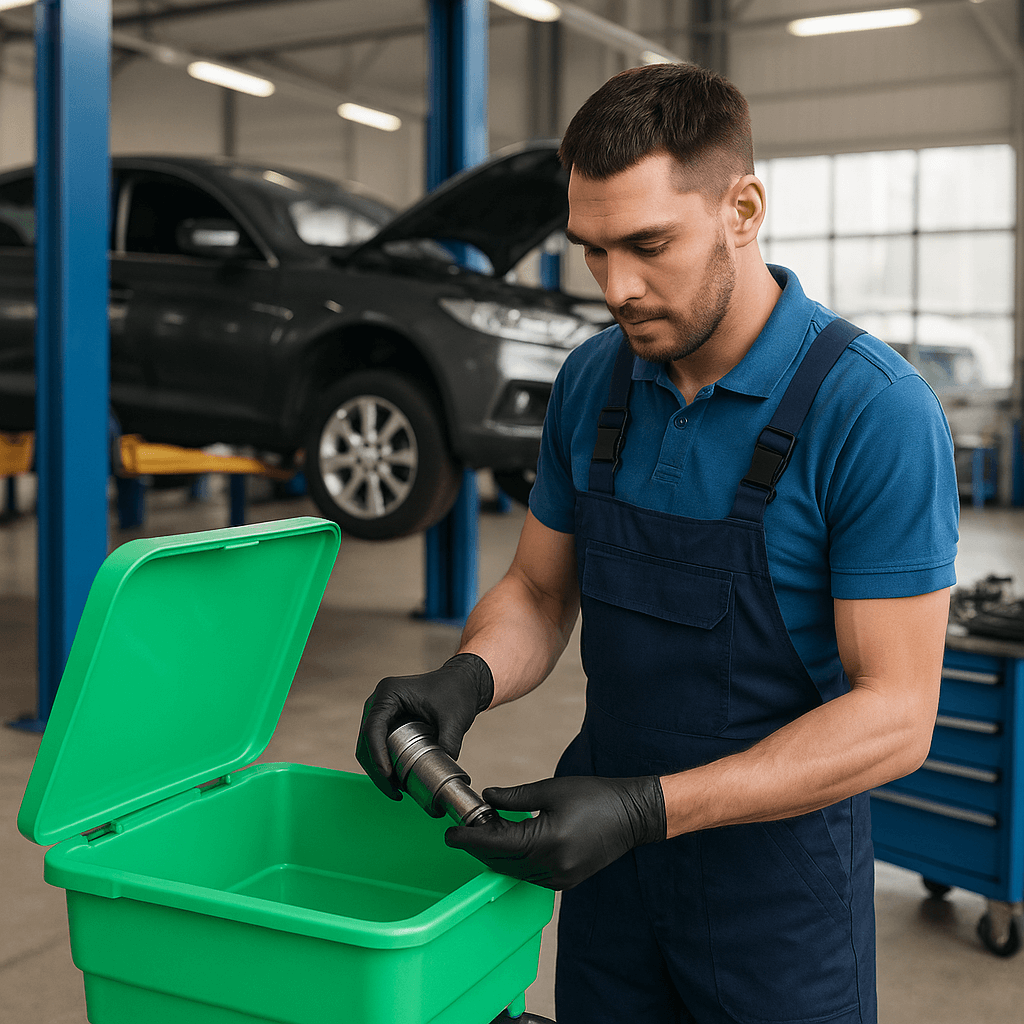
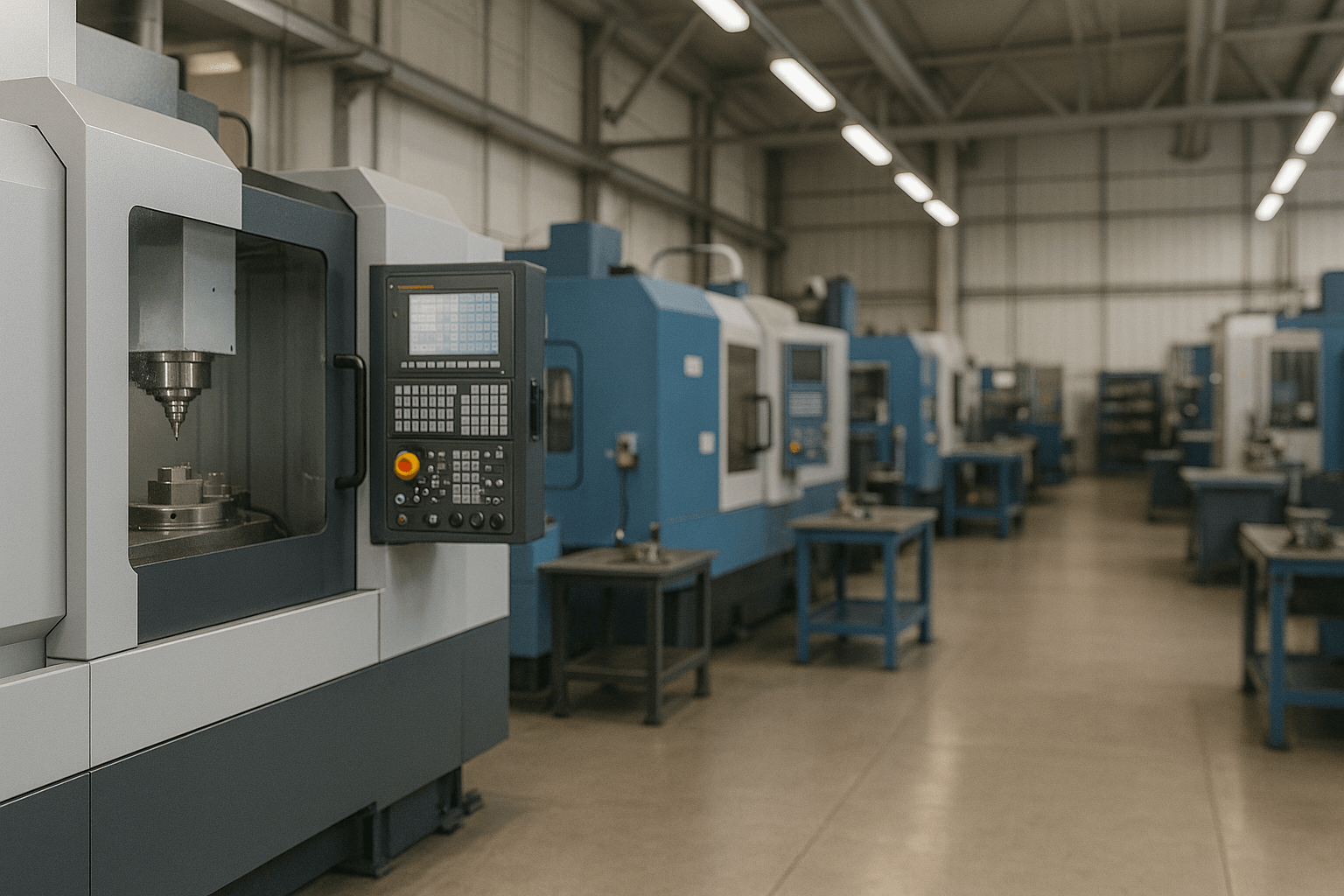
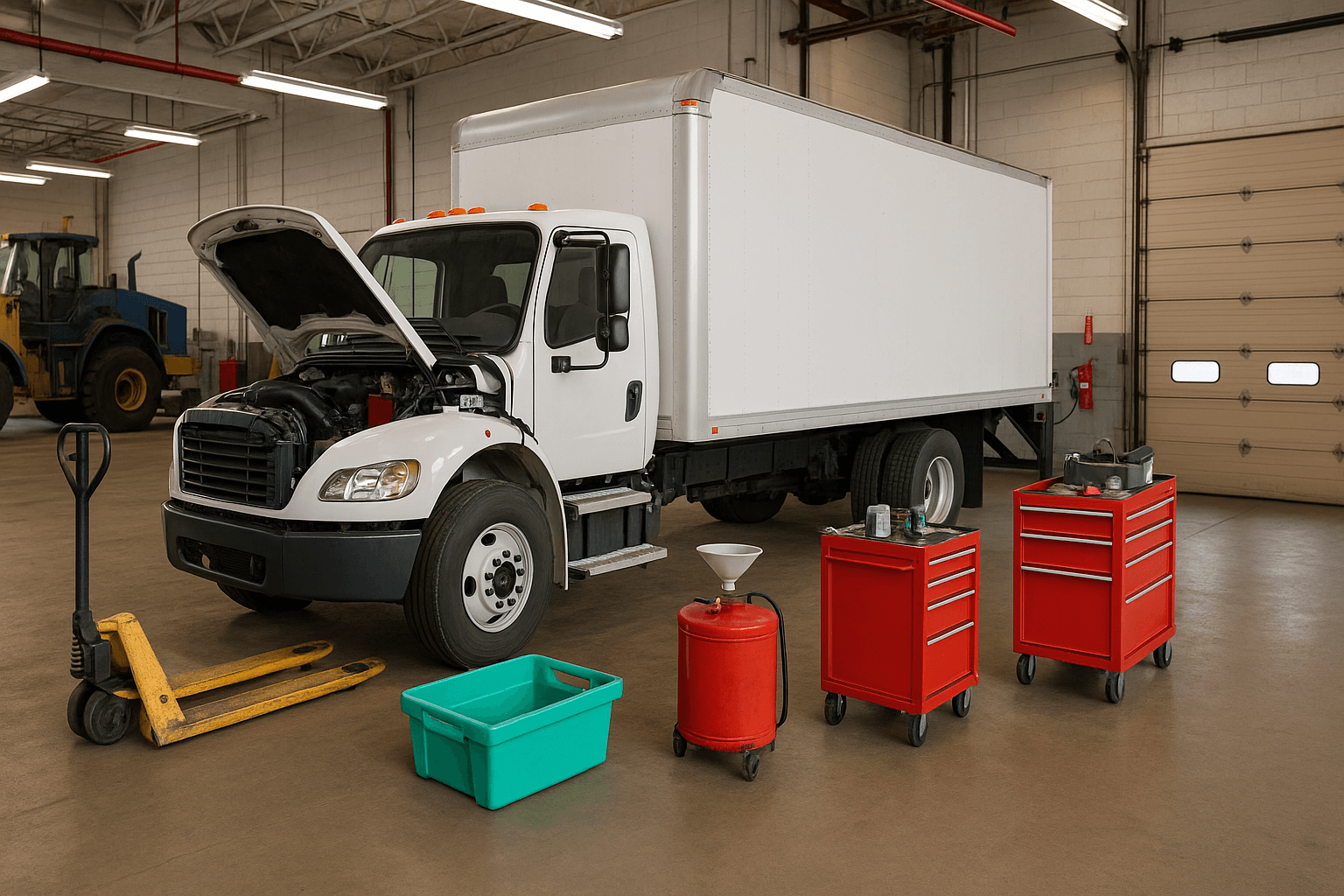
Directly from us. We manufacture Parts Washer Regenerator Tabs in Wisconsin and ship in pails of 500 tablets, packs of 6, and custom pack sizes, across the US and internationally. We supply auto and truck shops, machine shops, manufacturers, fleet operations, equipment OEMs and industrial maintenance distributors. Send us your washer count and tank sizes and we will quote.
The mainstream alternative is an aqueous parts washer running a water based detergent, which takes the flammable solvent and the solvent disposal contract out of the shop. Its weakness is that the water based bath loads up with oil and grease and has to be changed. Parts Washer Regenerator Tabs close that gap by digesting the oil and grease inside the bath, so the aqueous route stops being a trade of one disposal problem for another.
Yes. Parts Washer Regenerator Tabs are available for private label and OEM programs, including equipment manufacturers who want a branded refill tablet supplied with their aqueous washers. Packaging, branding, tablet count and CFU specification can all be set to your requirement. Tell us the format and volume you need and we will quote the base.
Spent aqueous parts washer fluid is normally collected and taken by a licensed waste hauler, and how it is classified depends on what is in it and on your local authority. Solvent baths are the expensive case. The practical lever is volume rather than classification, because every bath you do not have to dump is a haul you do not have to pay for. Parts Washer Regenerator Tabs extend the interval between changes, so there is less spent fluid to handle.