
- Products
- Overview
- Product Forms / Packaging
- Plant Health
- Wastewater
- Livestock Waste
- Aquaculture & Ponds
- Petroleum & Grease
- Case Studies
- Buy
- About
- Contact

A South Carolina hemp trial lifted Total CBD 25%, from 12.30% to 15.40%, and total cannabinoids 25.6% with Sunrise Soil Probiotic, with no rise in Delta-9 THC.
| Metric | Untreated control | Sunrise treated |
|---|---|---|
| Total CBD | 12.30% | 15.40% (+25.2%) |
| Total cannabinoids | 15.61% | 19.60% (+25.6%) |
| Delta-9 THC (limit 0.3%) | 0.03% | 0.03% (compliant) |
| Harvest moisture | 71.0% | 69.2% |
Cannabinoid content is what a commercial hemp crop is paid for. For CBD hemp growers, Total CBD and total cannabinoid percentage at harvest set the per-pound value of the flower, while Delta-9 THC has to stay under the federal 0.3% limit for the crop to be sold at all. Pushing cannabinoid content higher usually means adding more synthetic fertilizer or plant nutrients, which raises cost and can work against an organic or low-input program.
This South Carolina grower wanted to know whether feeding the soil biology, rather than the plant, could lift cannabinoid content on an existing fertility program. The question was whether a multi-strain microbial inoculant in the root zone could improve nutrient cycling and crop performance enough to show up in the harvest lab results, without changing the base nutrient inputs and without pushing Delta-9 THC toward the compliance ceiling.
The grower ran a side-by-side field comparison on the same hemp variety under matched conditions. One plot was left untreated as the control and kept on the standard fertility program. The second plot received Sunrise Soil Probiotic, an OMRI Listed and CDFA registered multi-strain microbial inoculant that combines beneficial bacteria and fungi to colonize the root zone, solubilize bound nutrients, and support nutrient cycling and root development.
Everything else stayed the same across both plots, so Sunrise was the only variable. At harvest, flower from each plot was sent for the same third-party cannabinoid analysis, measuring Total CBD, total cannabinoids, Delta-9 THC, Total THC, and moisture, so the control and treated results could be compared directly.
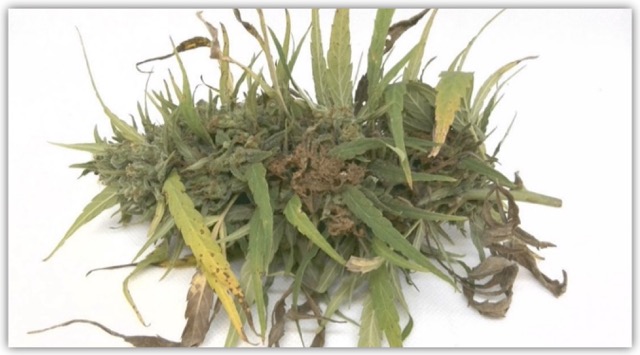
Untreated control: 12.30% Total CBD and 15.61% total cannabinoids at harvest, Delta-9 THC 0.03%. Standard fertility program, no microbial inoculant.
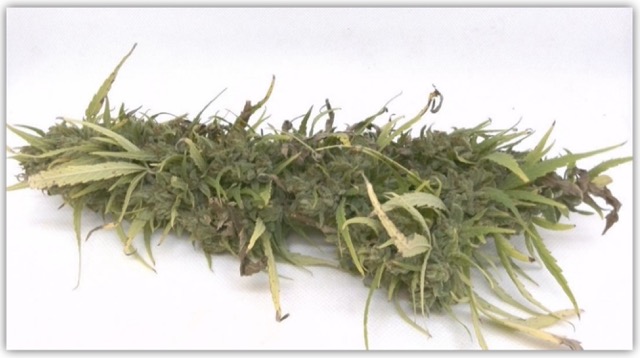
Sunrise treated: 15.40% Total CBD and 19.60% total cannabinoids, up 25% and 25.6%. Delta-9 THC still 0.03%, fully compliant.
The Sunrise-treated plot tested higher on both cannabinoid metrics that drive crop value. Total CBD rose from 12.30% in the untreated control to 15.40% in the treated plot, a 25.2% increase. Total cannabinoids rose from 15.61% to 19.60%, a 25.6% increase. Almost all of the gain came from CBDa, the acid form of CBD the plant builds in the field, consistent with better nutrient uptake feeding more cannabinoid production.
Delta-9 THC measured 0.03% in both plots, well under the 0.3% federal limit, so the treated crop stayed compliant. Harvest moisture was slightly lower in the treated plot, 69.2% versus 71.0%, which helps with drying and storage.
This was a single untreated control plot against a single Sunrise-treated plot. That is a real control, not a before-and-after on the same ground, but it is still one comparison on one farm in one season, not a replicated multi-site study. It reports what this grower measured, not a guaranteed result. What any operation sees depends on soil, variety, and management.
In this South Carolina field trial, hemp grown with Sunrise Soil Probiotic tested at 15.40% Total CBD versus 12.30% in the untreated control plot, a 25.2% increase measured at harvest. Sunrise is a multi-strain microbial inoculant that works in the root zone to improve nutrient cycling and crop performance. Results vary by soil, variety, and season.
Cannabinoid content is driven by how well the crop takes up nutrients, not by the amount of fertilizer alone. Rather than adding more synthetic input, this grower added Sunrise, an OMRI Listed microbial inoculant, to the existing program and measured 25% higher Total CBD and 25.6% more total cannabinoids in the treated plot. It is built to complement a base fertility plan, not replace it.
Not in this trial. Delta-9 THC measured 0.03% in both the treated and untreated plots, identical and far below the 0.3% federal compliance limit. The Sunrise-treated plot gained CBD and total cannabinoid content with no measured rise in Delta-9 THC.
Yes. Sunrise is OMRI Listed for use in organic production and CDFA registered as a microbial soil amendment in California. It is a multi-strain consortium of beneficial bacteria and fungi used as a soil input, which fits certified organic and low-input hemp programs.
The bacteria and fungi in Sunrise colonize the root zone and help solubilize bound phosphorus and micronutrients, support biological nitrogen availability, and stimulate root growth. Better root development and nutrient cycling give the plant more of what it needs to build biomass and cannabinoid content through the season.
Both plots were the same variety grown under matched conditions on the same farm. The only difference was Sunrise applied to the treated plot. At harvest the treated plot tested 25.2% higher in Total CBD and 25.6% higher in total cannabinoids than the untreated control, with Delta-9 THC unchanged.
This grower did, in a single-season trial. By adding a soil microbial inoculant instead of increasing fertilizer, the treated plot reached 19.60% total cannabinoids versus 15.61% in the control. The approach targets soil biology and nutrient efficiency rather than higher chemical inputs.
Application rate depends on your soil, crop stage, and program. Sunrise is a wettable granular inoculant applied to the root zone and is meant to fit an existing fertility plan. Contact us with your acreage and current program for a rate recommendation and a quote.
No. This was one side-by-side comparison on one South Carolina farm in one season. It reports what that grower measured, not a guaranteed result. Cannabinoid content depends on genetics, soil, weather, and management, so outcomes will differ by operation.
This is the product behind these results. Open its page for full specifications, packaging, and dosing rates.
Tell us your system size and current numbers. We will recommend a starting dose and send a quote.
Request a Quote


