- Productos
- Descripción general
- Producto Formado / Embalaje
- Agrícolas y Biofertilizantes
- Aguas Residuales
- Residuos Pecuarios
- Acuicultura y Estanques
- Petróleo y Grasas
- Casos de Éxito
- Comprar
- QUIENES SOMOS
- Contacto

El Descomponedor de Rastrojo (CRD), también conocido por su nombre en inglés Crop Residue Decomposer, reúne hongos y bacterias descomponedores en una mezcla de 9 cepas. Se aplica sobre el rastrojo de maíz, la paja de trigo y arroz, el rastrojo de soja, la hoja de caña de azúcar y otros residuos de cosecha que quedan en el campo. Las cepas de Bacillus, Trichoderma y Aspergillus colonizan el rastrojo y digieren la lignina, la celulosa y la hemicelulosa que lo hacen tardar en descomponerse. Cuando el rastrojo se ablanda, los nutrientes que tenía atrapados vuelven al suelo, la cama de siembra queda limpia y la materia orgánica se queda en el campo.
CRD se aplica a razón de 50 a 100 gramos por hectárea, con agua o con un fertilizante líquido, después de la cosecha o antes de preparar la siembra. CRD es un inoculante microbiano y no está registrado para uso como plaguicida.
Beneficios principales:
El Descomponedor de Rastrojo es una mezcla microbiana de nueve cepas de hongos y bacterias descomponedores que se aplica sobre el rastrojo después de la cosecha para que se descomponga más rápido que por sí solo. Las bacterias son Bacillus pumilus, Bacillus licheniformis, Bacillus subtilis y Bacillus amyloliquefaciens. Los hongos son Trichoderma harzianum, Trichoderma longibrachiatum, Trichoderma asperellum, Aspergillus oryzae y Aspergillus niger. Juntos colonizan el rastrojo y producen enzimas como la celulasa, la xilanasa y la lacasa, que rompen la lignina, la celulosa y la hemicelulosa en compuestos más simples que la biología del suelo puede usar. Mientras el rastrojo se digiere, se liberan los nutrientes, la capa de rastrojo se adelgaza y lo que queda se convierte en material húmico estable en la capa superficial del suelo.
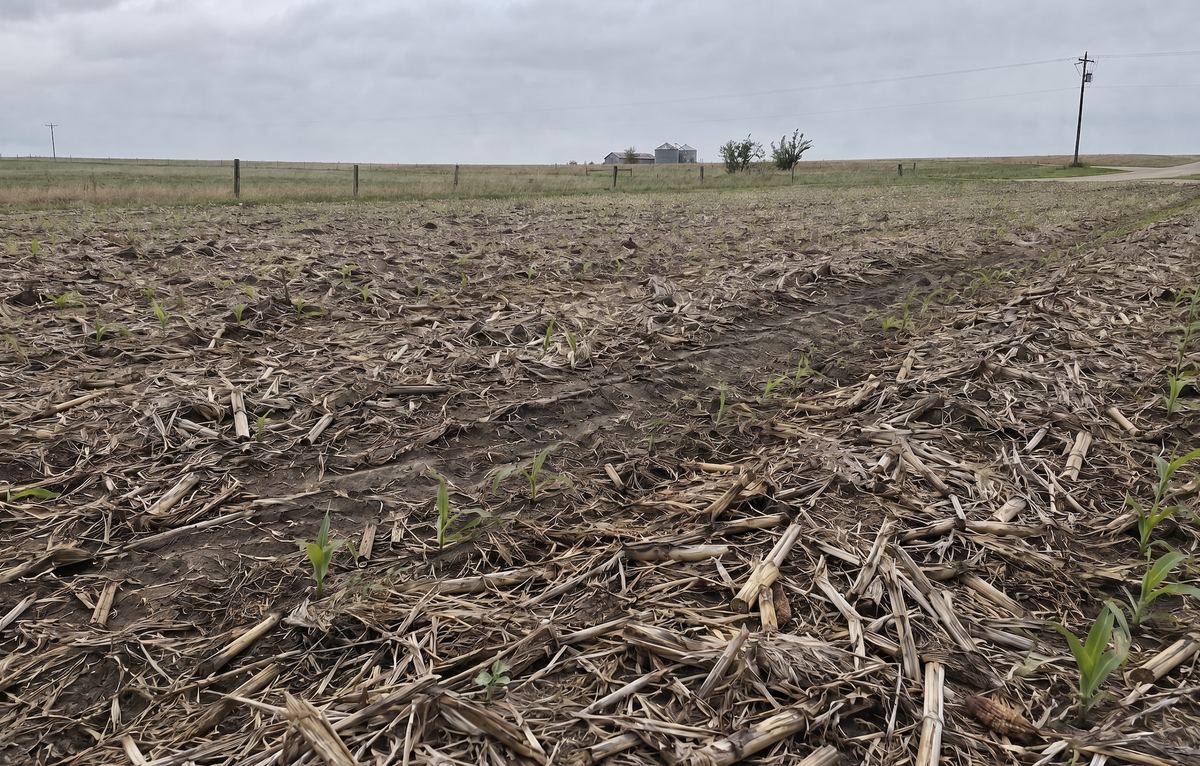
El rastrojo de maíz, la paja de trigo y otros residuos con mucho carbono tienen una relación carbono-nitrógeno muy por encima de lo que necesitan los microorganismos del suelo. Cuando ese rastrojo se descompone solo, los microorganismos toman nitrógeno del suelo para hacerlo, y ese nitrógeno no queda disponible para el cultivo joven. Eso es la inmovilización de nitrógeno, y por eso un campo con mucho rastrojo suele verse corto de nitrógeno en las primeras semanas después de la emergencia.
Una descomposición lenta también deja una capa que mantiene el suelo frío y húmedo al momento de sembrar, se engancha en los abresurcos de la sembradora y mete tallos dentro del surco. CRD acorta el tiempo que el rastrojo pasa en ese estado. Con una descomposición más rápida, el ciclo del nitrógeno se completa antes de que el cultivo lo necesite y la cama de siembra está más limpia cuando pasa la sembradora.
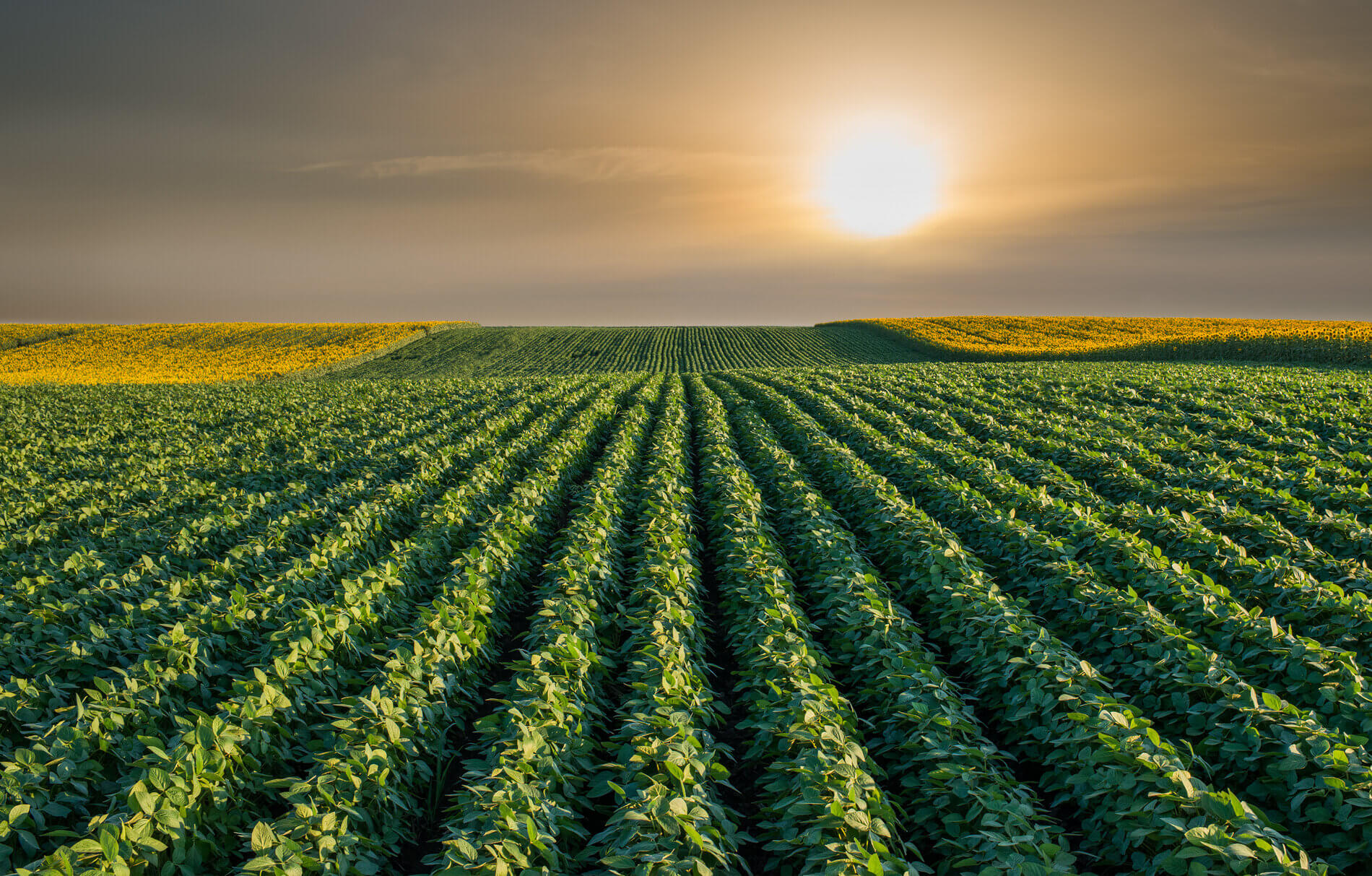
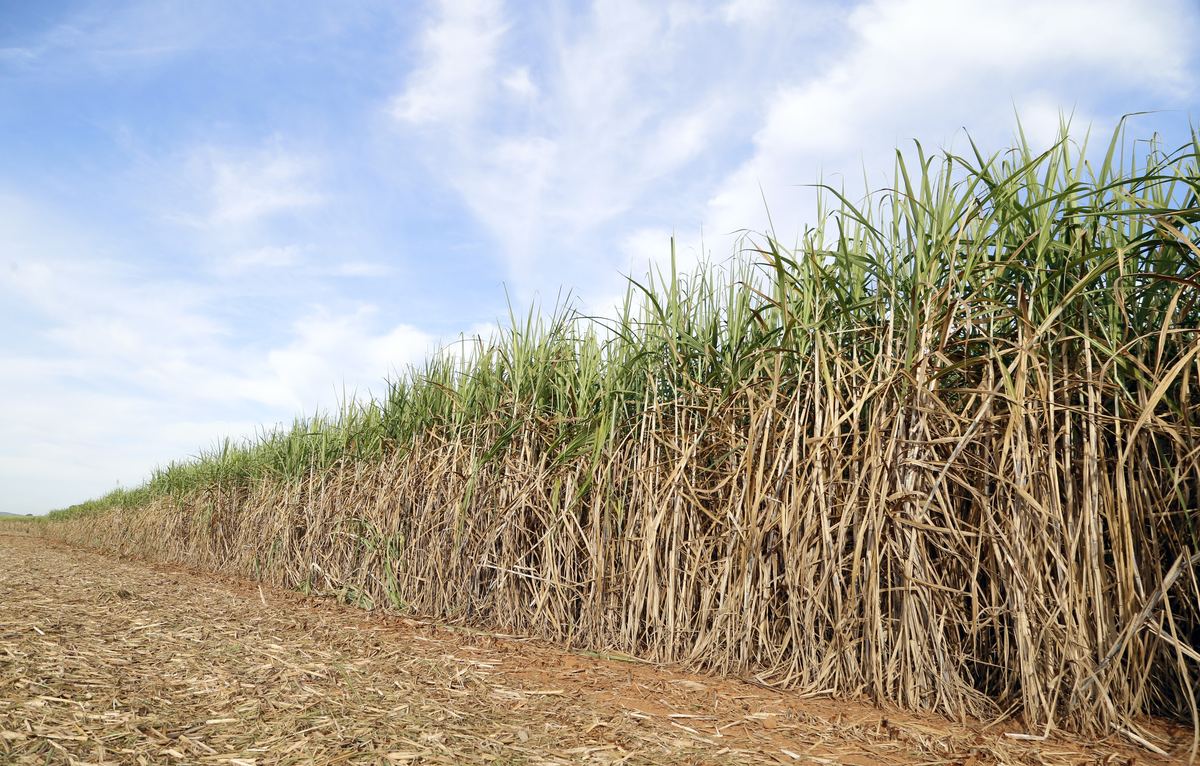
CRD funciona en cualquier residuo de cosecha. La dosis depende de la carga de rastrojo, no del cultivo: 50 gramos por hectárea en rastrojo liviano y 100 gramos en cargas pesadas. Los residuos donde más se usa:
Para manejar mucho rastrojo, los productores lo queman, hacen pasadas extra de labranza, lo enfardan o esperan. La quema pierde el carbono y los nutrientes, y en varias regiones está restringida o en proceso de eliminación, incluida la quema de caña. La labranza extra cuesta combustible y tiempo y rompe la estructura del suelo. Enfardar se lleva los nutrientes junto con el rastrojo. Esperar significa sembrar sobre una capa de rastrojo.
CRD es la opción biológica. El rastrojo se queda en el campo, se descompone donde está y los nutrientes y la materia orgánica vuelven al suelo.
En siembra directa el rastrojo queda en la superficie, con poco contacto con el suelo, y tarda más en descomponerse. Aplique CRD directamente sobre el rastrojo bien distribuido y programe la aplicación antes de una lluvia o un riego, para que el agua lleve los microorganismos al rastrojo. En rastrojo de maíz o de trigo use la dosis alta. No hace falta incorporar, aunque con incorporación la descomposición es más rápida.
CRD funciona mejor como parte de una pasada de picado e incorporación. Aplíquelo sobre el rastrojo justo después de picarlo con una picadora de rastrojo, una desbrozadora o el picador y esparcidor de la cosechadora, y luego incorpórelo ligeramente con una rastra de discos o una pasada de labranza vertical. El rastrojo recién picado expone más superficie para que los microorganismos lo colonicen, y una incorporación superficial junta microorganismos, rastrojo y humedad del suelo, que es donde la descomposición avanza más rápido.
Aplicar justo después de la cosecha da el mayor tiempo de trabajo antes de la siembra. También funciona una aplicación antes de preparar la cama de siembra.
CRD también se aplica con pulverizadora de barras, bomba de mochila, aplicación aérea o por sistemas de riego y fertirriego. Use suficiente volumen para una cobertura pareja: un mínimo de 95 litros por hectárea por tierra, o de 30 a 50 litros por hectárea por aire. En cargas pesadas de rastrojo use la dosis alta.
CRD es compatible con muchos fertilizantes líquidos y se suele agregar a la pasada de fertilización después de la cosecha. Diluya el fertilizante a su concentración final de aplicación antes de agregar CRD al tanque.
Para hidratar bien el polvo, agítelo primero con un poco de agua en un envase cerrado hasta que se disperse y luego agregue la mezcla al tanque. Mantenga una agitación suave y constante durante la aplicación para que los microorganismos queden bien suspendidos.
No mezcle CRD en tanque con fungicidas. CRD contiene hongos vivos de Trichoderma y Aspergillus, así que deje 7 días entre un fungicida sistémico y la aplicación de CRD, o 3 días si el fungicida es de contacto. Si se aplica un fungicida dentro de ese plazo, se recomienda una segunda aplicación de CRD para recuperar toda su actividad. Los herbicidas son mucho menos riesgosos para los microorganismos. Cuando se pueda, aplíquelos por separado. Si tiene que mezclar un herbicida con CRD en el tanque, el producto sigue siendo eficaz, aunque la actividad inicial puede ser más lenta.
La descomposición depende de la humedad del rastrojo y de la temperatura del suelo. Aplique cuando el rastrojo esté húmedo o antes de una lluvia. Las cepas sobreviven y trabajan lento desde unos 7 °C, aceleran cuando el suelo pasa de 15 °C y trabajan más rápido entre 20 y 35 °C. El rango de pH es de 4.5 a 9.5, con la mejor actividad entre 5.5 y 7.5. En la práctica, una aplicación justo después de la cosecha, con el suelo todavía tibio, avanza más que una tardía.
CRD es un polvo seco con 100 mil millones de UFC por gramo de bacterias y 5 mil millones de UFC por gramo de hongos. Viene en baldes de 6.8 kg (15 lb) y 11.3 kg (25 lb) y en tambores de 95 kg (210 lb), con concentraciones a la medida bajo pedido. La vida útil es de 6 meses a temperatura ambiente y 18 meses refrigerado. Guárdelo en un lugar fresco, seco y sin luz solar directa, y cierre bien el envase después de cada uso. El polvo pasa por una malla 100, así que funciona en pulverizadoras y sistemas de riego estándar.
CRD se vende directo del fabricante, desde muestras hasta volúmenes al por mayor, con envíos internacionales. Está disponible para marca propia y distribuidores, con concentraciones de UFC y empaques a la medida para socios calificados. Díganos su cultivo, cuántas hectáreas maneja y la carga de rastrojo, y le recomendamos una dosis y le enviamos una cotización.
Concentración (UFC/g):
Concentraciones a la medida bajo pedido
Presentaciones:
Vida útil:
Recomendaciones de almacenamiento:
Guía de aplicación:
| Carga de rastrojo | Dosis por hectárea | Dosis por acre | Volumen de aplicación | Rastrojo típico |
|---|---|---|---|---|
| Estándar | 50 g | 20 g | Mínimo 95 L/ha por tierra; 30 a 50 L/ha por aire | Soja, leguminosas, rastrojo liviano de cereales |
| Pesada | 100 g | 40 g | Mínimo 95 L/ha por tierra; 30 a 50 L/ha por aire | Rastrojo de maíz, paja de trigo y arroz, tallos de algodón, hoja de caña |
Aplicación:
Método recomendado (picar e incorporar):
Otros métodos de aplicación:
Notas de aplicación:
Compatibilidad química:
Un descomponedor de rastrojo es un producto microbiano que se aplica sobre el rastrojo, la paja y otros residuos de cosecha para que se descompongan más rápido en el campo. CRD es una mezcla de 9 cepas de Bacillus, Trichoderma y Aspergillus que coloniza el rastrojo y digiere la lignina, la celulosa y la hemicelulosa, que son las que lo hacen tardar en descomponerse.
Cuatro bacterias: Bacillus pumilus, Bacillus licheniformis, Bacillus subtilis y Bacillus amyloliquefaciens. Cinco hongos: Trichoderma harzianum, Trichoderma longibrachiatum, Trichoderma asperellum, Aspergillus oryzae y Aspergillus niger.
Sí. CRD descompone el rastrojo de forma biológica en el campo, así el carbono y los nutrientes se quedan en el suelo en lugar de irse en humo. Es una opción para productores en zonas donde la quema de rastrojos o de caña está restringida o se está eliminando.
No. CRD es un inoculante microbiano y no está registrado para uso como plaguicida ante la Agencia de Protección Ambiental de EE. UU. (EPA). Su función es acelerar la descomposición del rastrojo, no controlar plagas ni enfermedades.
Son hongos que se alimentan de materia orgánica muerta y la descomponen con enzimas. En el campo atacan la lignina y la celulosa del rastrojo, la parte que más tarda en descomponerse. CRD contiene cinco: Trichoderma harzianum, Trichoderma longibrachiatum, Trichoderma asperellum, Aspergillus oryzae y Aspergillus niger.
Son bacterias que descomponen la materia orgánica y liberan sus nutrientes al suelo. En CRD son cuatro especies de Bacillus (B. pumilus, B. licheniformis, B. subtilis y B. amyloliquefaciens), a 100 mil millones de UFC por gramo. Junto con los hongos de la mezcla producen enzimas como la celulasa y la xilanasa, que rompen las fibras del rastrojo.
Los hongos y bacterias de CRD colonizan el rastrojo y producen las enzimas que rompen sus fibras. Mientras el rastrojo se digiere, sus nutrientes pasan al suelo, la capa de rastrojo se adelgaza y lo que queda se convierte en materia orgánica estable. El rastrojo recién picado, la humedad y el contacto con el suelo aceleran el proceso.
De 50 a 100 gramos por hectárea (20 a 40 gramos por acre), mezclados con agua o con un fertilizante líquido compatible. Use 50 g en rastrojo liviano y 100 g en rastrojo de maíz, paja y otras cargas pesadas.
Sí. El rastrojo con mucho carbono inmoviliza nitrógeno del suelo mientras se descompone. CRD acelera el ciclo del carbono para que el rastrojo se digiera antes de que el siguiente cultivo necesite ese nitrógeno, y así queda más disponible durante el crecimiento inicial.
No lo mezcle en tanque con fungicidas. CRD contiene hongos vivos de Trichoderma y Aspergillus, así que deje 7 días entre un fungicida sistémico y la aplicación de CRD, o 3 días si el fungicida es de contacto. Si se aplica un fungicida dentro de ese plazo, se recomienda una segunda aplicación de CRD para recuperar toda su actividad. Los herbicidas son mucho menos riesgosos para los microorganismos. Cuando se pueda, aplíquelos por separado. Si tiene que mezclar un herbicida con CRD en el tanque, el producto sigue siendo eficaz, aunque la actividad inicial puede ser más lenta.
Rastrojo de maíz y de cereales; paja de trigo, cebada y arroz, incluido el tamo de arroz; rastrojo de soja y leguminosas; tallos de algodón y rastrojo de sorgo después de triturarlos; hoja y residuos de caña de azúcar; residuos de cultivos de cobertura; y rastrojo en siembra directa y labranza reducida. La dosis depende de la carga de rastrojo, no del cultivo. Use 50 g por hectárea en rastrojo liviano y 100 g en rastrojo de maíz, paja, tallos de algodón y otras cargas pesadas.
Justo después de la cosecha, de preferencia junto con una pasada de picado e incorporación, para que los microorganismos tengan el mayor tiempo de trabajo antes de la siembra. También funciona una aplicación antes de preparar la cama de siembra. Aplique cuando el rastrojo esté húmedo o antes de una lluvia. Los microorganismos trabajan lento desde unos 7 °C y aceleran cuando el suelo pasa de 15 °C, así que una aplicación temprana, con el suelo todavía tibio, avanza más.
Sí. CRD es compatible con muchos fertilizantes líquidos y se suele agregar a la pasada de fertilización después de la cosecha. Primero diluya el fertilizante a su concentración final de aplicación y después agregue CRD.
Sí. En siembra directa o cero labranza, aplíquelo directamente sobre el rastrojo bien distribuido y programe la aplicación antes de una lluvia o un riego, para que el agua lleve los microorganismos al rastrojo. Con incorporación la descomposición es más rápida, pero no es obligatoria.
Con pulverizadora de barras, bomba de mochila, aplicación aérea o por sistemas de riego y fertirriego. Use un volumen mínimo de 95 litros por hectárea por tierra, o de 30 a 50 litros por hectárea por aire. Agite el polvo con un poco de agua en un envase cerrado hasta que se disperse, agréguelo al tanque y mantenga una agitación suave y constante.
Píquelo, aplique CRD a 100 g por hectárea y, si su sistema lo permite, incorpórelo con una pasada liviana de rastra de discos o de labranza vertical. El rastrojo de maíz es de los más pesados y con más carbono, por eso lleva la dosis alta. En siembra directa, aplíquelo sobre el rastrojo bien distribuido antes de una lluvia o un riego. Así el rastrojo llega descompuesto a la siguiente siembra.
Sí. La cosecha en verde deja una capa gruesa de hoja y despunte sobre el campo. Aplique CRD sobre esa capa a la dosis alta, 100 g por hectárea, de preferencia con humedad o antes de un riego. Los nutrientes de la hoja vuelven al suelo y la capa se descompone sin quemarla.
100 mil millones de UFC por gramo de bacterias y 5 mil millones de UFC por gramo de hongos, en polvo seco. Hay concentraciones a la medida bajo pedido.
Baldes de 6.8 kg (15 lb) y de 11.3 kg (25 lb), y tambores de 95 kg (210 lb).
6 meses a temperatura ambiente y 18 meses refrigerado. Guárdelo en un lugar fresco, seco y sin luz solar directa, y cierre bien el envase después de cada uso.
Sí. CRD se vende desde muestras hasta volúmenes al por mayor, con envíos internacionales, y está disponible para marca propia y distribuidores, con concentraciones de UFC y empaques a la medida para socios calificados.
Escriba a nuestro equipo de ventas con su cultivo, cuántas hectáreas maneja y la carga de rastrojo. Le recomendamos una dosis y le enviamos el precio.