- Products
- Overview
- Product Forms / Packaging
- Plant Health
- Wastewater
- Livestock Waste
- Aquaculture & Ponds
- Petroleum & Grease
- Case Studies
- Buy
- About
- Contact

Petroleum Treat (PT) is a high-CFU blend of oil-eating, petroleum-degrading bacteria for hydrocarbon wastewater treatment and petroleum-contaminated soil bioremediation. Built for refineries, petrochemical and oil and gas facilities, and environmental remediation projects, PT produces natural biosurfactants and broad-spectrum enzymes that make hydrocarbons more bioavailable, so it breaks down aliphatics, aromatics (including PAHs), petroleum distillates, lubricating oils, and fats, oils, and greases (FOG). The numbers above are real field results, including the 97% soil TPH reduction PT delivered in an on-site windrow project.
Petroleum Treat (PT) is a blend of oil eating bacteria that digest petroleum hydrocarbons instead of just moving them around. The strains use diesel, gasoline, lubricating oils, long-chain hydrocarbons, PAHs, and fats, oils, and greases (FOG) as a food source and break them down into carbon dioxide, water, and biomass. The process is biological, so the bacteria need moisture, oxygen, and time to work.
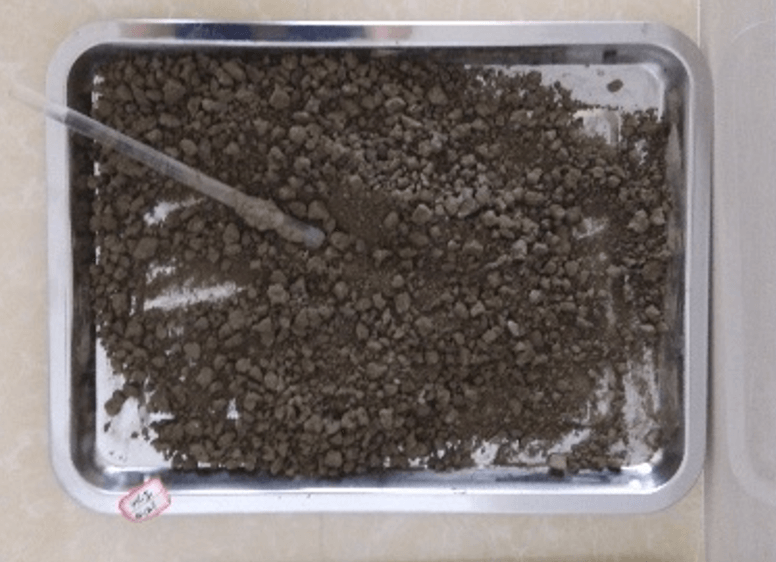
PT has three field trials behind it. On an industrial site, an on-site windrow program cut soil TPH (C10-C40) from about 20,000 ppm to 650 ppm, a 97% reduction, and oil and grease from 1,100 to 45 mg/kg, a 96% reduction, with treated soil returned on site and no off-site hauling. At a municipal oil-water separator serving 29 automotive garages, continuous-feed PT took TPH from 22,940 mg/L to 79 mg/L and held the 100 mg/L city discharge limit. In a head-to-head soil trial, PT beat two competing products on every hydrocarbon fraction. All three are written up below.
PT produces natural biosurfactants and broad-spectrum enzymes that raise hydrocarbon bioavailability, so the bacteria can reach oils that are otherwise bound to soil or floating as a separate phase. That is what lets PT work through aliphatics, aromatics (including PAHs), petroleum distillates, lubricating oils, and FOG rather than only the light, easy fractions.
In a head-to-head soil trial, PT ran against two competing microbial products under matched conditions. PT reduced every hydrocarbon fraction faster and cut the difficult heavy C37-40 fraction 73% in 15 days, versus 55% and 39% for the other two, and petroleum odors were gone within the first 8 days. That edge on the most stubborn fractions is what shortens cleanup on high-TPH sites, where generic blends stall on the heavy ends.
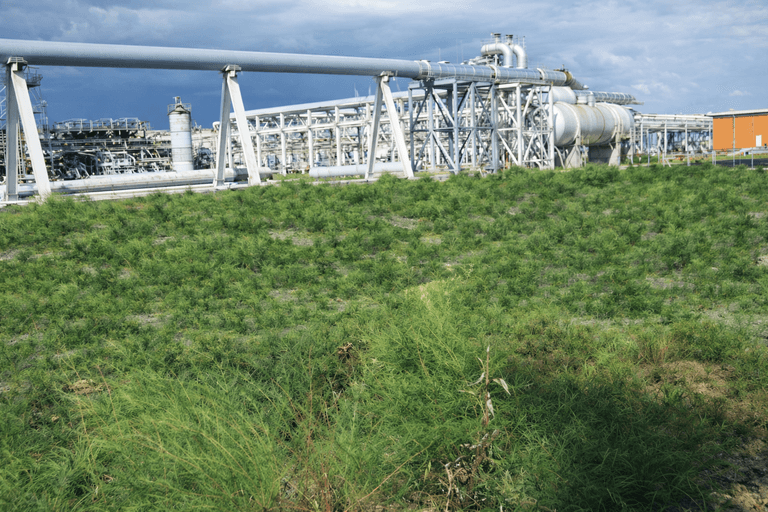
PT lowers oil and grease (O&G), COD, and TPH in petroleum-loaded wastewater while biological treatment stays stable. It fits API/CPI separators, DAF/IGF units, aeration basins, activated sludge, clarifiers, lift stations, and stormwater systems at refineries, petrochemical plants, and industrial sites. It performs under variable flow, pH, and temperature, and it re-establishes activity quickly after a process upset.
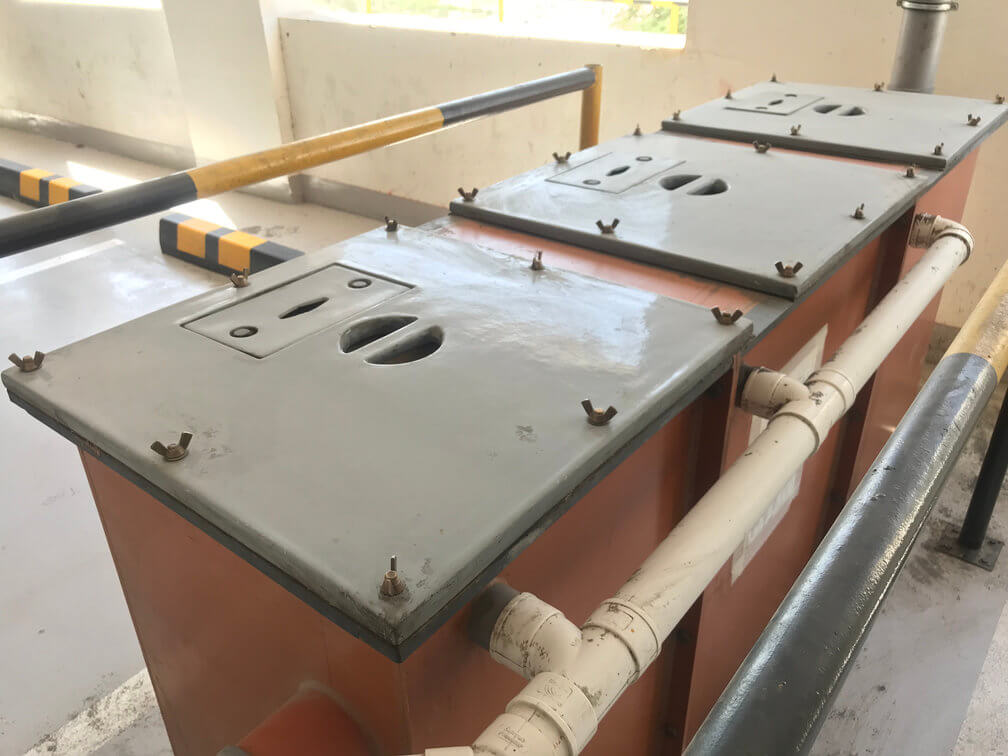
At the municipal oil-water separator serving 29 garages, PT ran on continuous feed and brought TPH from 22,940 mg/L down to 79 mg/L over 120 days, under the 100 mg/L discharge limit. Treating the hydrocarbons biologically on site cut annual pumping and disposal costs from about $16,000 to $1,200 and ended the routine pump-outs.
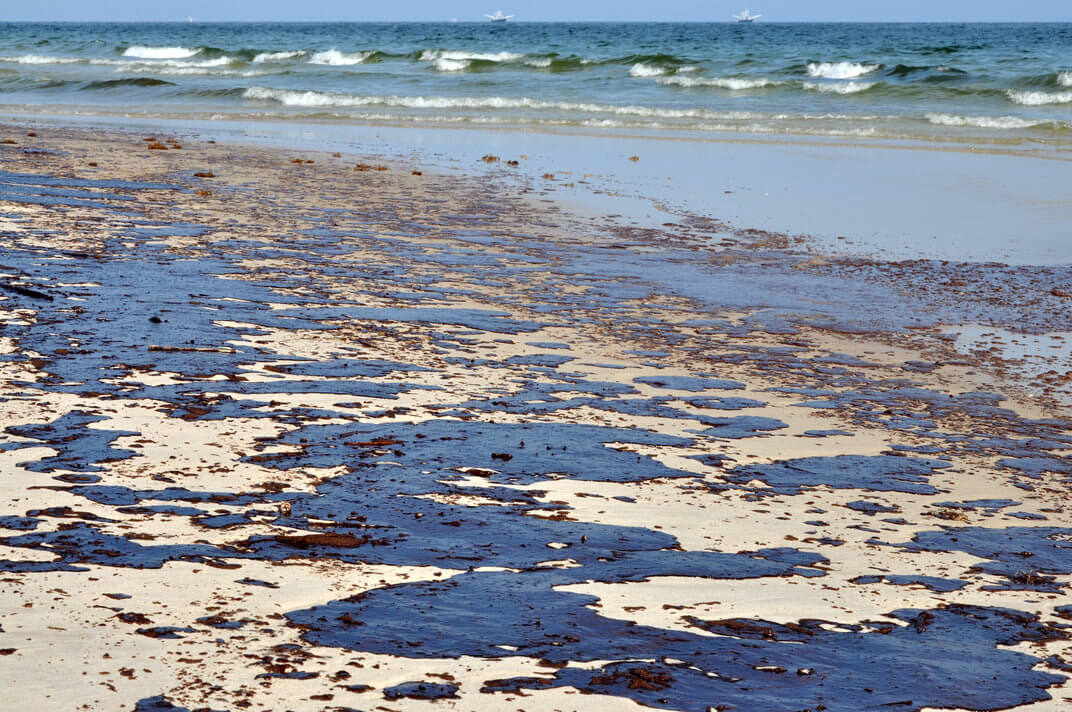
For contaminated soil, PT speeds cleanup in landfarming, biopiles, windrows, compost-enhanced treatment, and in situ projects. It raises hydrocarbon bioavailability and colonizes fast, so degradation continues until the contaminants are broken down instead of excavated and hauled. On the industrial windrow project above, that meant returning treated soil on site and skipping off-site disposal entirely.
In situ, PT is injected or mixed into place so hydrocarbons are treated where they sit, with less digging and less material to move. Faster degradation of diesel, gasoline, PAHs, and long-chain hydrocarbons shortens the path to regulatory closure and cuts the holding and monitoring time that runs up cost on a stalled site.
PT covers a broad range of petroleum contaminants: diesel, gasoline, kerosene, heating oil, jet fuel, lubricating oils, long-chain hydrocarbons, PAHs, and fats, oils, and greases (FOG). It works across wastewater systems (API/CPI separators, DAF/IGF units, aeration basins, activated sludge, MBBR, SBR, lagoons, lift stations, sumps, and stormwater BMPs) and soils (landfarming, biopiles, windrows, compost, and in situ treatment).
Because PT degrades hydrocarbons on site, it cuts the two biggest line items on most projects: hauling and disposal. It shortens timelines through faster degradation, lowers chemical inputs by carrying more of the load biologically, and cuts the volume of soil or waste that has to leave the site.
PT keeps degrading under changing conditions. It works in aerobic and facultative systems and tolerates swings in flow, pH, and temperature without losing activity. Its spore-forming strains stay stable in storage and in the field.
PT ships direct from the manufacturer in powder, liquid, block, and tablet forms, in bulk, wholesale, OEM, and private-label supply. It serves remediation contractors, refineries, petrochemical and industrial facilities, and product formulators building petroleum-specific cleaners, degreasers, and remediation formulations. If you are searching for oil eating bacteria for sale in bulk, send us your hydrocarbon levels and system and our team will recommend a starting dose. Use the form on this page to request a quote or a sample.
Concentration (CFU/g):
Custom concentrations available upon request
Packaging Options:
Smaller packaging available upon request.
Shelf-life:
Storage Recommendations:
Blocks
One 900g (2lb) block treats ~1,500m3 (1.5 million liters) of water and slowly dissolves over ~30 days. Dissolve rate fluctuates with water temperature and flow rate.
Tabs
One 85g (3oz) tab treats ~150m3 (150,000 liters) of water and slowly dissolves over ~30 days. Dissolve rate fluctuates with water temperature and flow rate.
Fast-Dissolve Tabs
Tablets dissolve completely within 1 hour in water. Tablet sizes vary (5g, 28g, 130g).
Bio-Based Cleaners and Degreasers
Usage rates vary. Reference dose:
Petroleum Treat (PT) is a high-CFU blend of oil-eating, petroleum-degrading bacteria for hydrocarbon wastewater and petroleum-contaminated soil. The strains produce biosurfactants and enzymes that make hydrocarbons more bioavailable, so they break down aliphatics, aromatics, PAHs, lubricating oils, and FOG. PT works in aerobic and facultative systems and needs moisture to stay active.
PT strains are selected for petroleum hydrocarbons, so they degrade aliphatics, aromatics, long-chain hydrocarbons, and PAHs that generic blends leave behind. In a head-to-head soil trial, PT beat two competing products on every fraction, cutting the toughest heavy C37-40 hydrocarbons 73% in 15 days versus 55% and 39%. You buy it direct from the manufacturer.
Yes. In wastewater it degrades hydrocarbons downstream of oil-water separation and lowers O&G, COD, and TPH; a municipal separator dropped from 22,940 to 79 mg/L into compliance. In soil it speeds landfarming, biopiles, windrows, and in situ cleanup; an on-site windrow project cut TPH 97%.
PT fits refineries, petrochemical and oil and gas facilities, industrial sites with oily wastewater, and projects with petroleum-contaminated soil. It performs under variable pH, temperature, and load. Send us your hydrocarbon levels and system and we will recommend a starting dose.
PT uses naturally occurring, non-GMO bacteria and is not a registered pesticide. Used as directed, it is safe for wastewater infrastructure, soils, and downstream water, and it makes no pesticidal or disease-control claims. It degrades hydrocarbons biologically rather than with harsh chemicals.
Yes. PT reduces O&G, COD, and TPH while boosting biological activity in API/CPI separators, DAF/IGF units, aeration basins, and clarifiers at refineries and petrochemical plants. It holds performance under variable flow, pH, and temperature and recovers quickly after upsets.
PT shortens project timelines, cuts chemical use, and reduces hauling and disposal by degrading hydrocarbons on site. At a municipal oil-water separator, biological treatment cut annual pumping and disposal costs from about $16,000 to $1,200 while holding the 100 mg/L discharge limit.
Soil dosing runs about 7 to 13.5 grams per cubic meter or cubic yard based on hydrocarbon load, with a follow-up at half rate. Wastewater dosing is metered by flow and PPM. Keep the material moist and oxygenated so the bacteria stay active. Full rate tables are in the application section on this page.
It depends on hydrocarbon load, temperature, moisture, and oxygen. PT works fast on lighter fractions; odors dropped within 8 days in one soil trial and heavy hydrocarbons fell 73% in 15 days. Full soil cleanups run weeks to months, and a municipal separator reached compliance by day 120.
PT digests diesel, gasoline, and oil in moist soil, biopiles, and water systems, and it works best when the bacteria have moisture, oxygen, and time. It is not a surface degreaser or stain remover, so it will not lift a dried spill off concrete. For spill-impacted soil or water, PT accelerates hydrocarbon breakdown; ask us for a dosing plan.
Yes. PT supplies high-CFU soil bioremediation bacteria that break down diesel, gasoline, PAHs, and long-chain hydrocarbons for faster site closure. In an on-site windrow project, PT cut soil TPH from about 20,000 ppm to 650 ppm (97%) and oil and grease by 96%, with no off-site hauling.
Yes. PT is a microbial base for petroleum-specific cleaners, degreasers, and remediation products. The non-toxic, non-GMO, spore-forming bacteria are OEM and private-label ready in powder, liquid, block, or tablet, with custom CFU concentrations for qualified partners.
In wastewater: API/CPI separators, DAF/IGF units, aeration basins, activated sludge, MBBR, SBR, lagoons, lift stations, sumps, tank-bottom oil sludge, and stormwater BMPs. In soil: landfarming, biopiles, windrows, compost-enhanced treatment, and in situ oxygen-based bioremediation.
Oil and gas, petrochemical, refining, wastewater treatment, transportation, manufacturing, stormwater management, and soil and environmental remediation, worldwide.
PT ships in powder, liquid, block, and tablet forms in multiple sizes for bulk, wholesale, and private-label needs:
We offer domestic and international shipping via palletized freight, LTL, or custom delivery.
You can buy Petroleum Treat (PT) direct from the manufacturer in bulk, wholesale, OEM, and private-label formats. We supply remediation contractors, refineries, and wastewater operators worldwide. Use the form on this page for a quote or a sample.
Yes. We produce PT in the USA at our Wisconsin microbial fermentation facility under strict quality control, with verified CFU counts and lot traceability.
Contact our sales team to discuss your application, request a sample, or get bulk or wholesale pricing. We work with OEM developers, distributors, and end users across the petroleum, industrial, and environmental remediation sectors. Use the form on this page to get started.