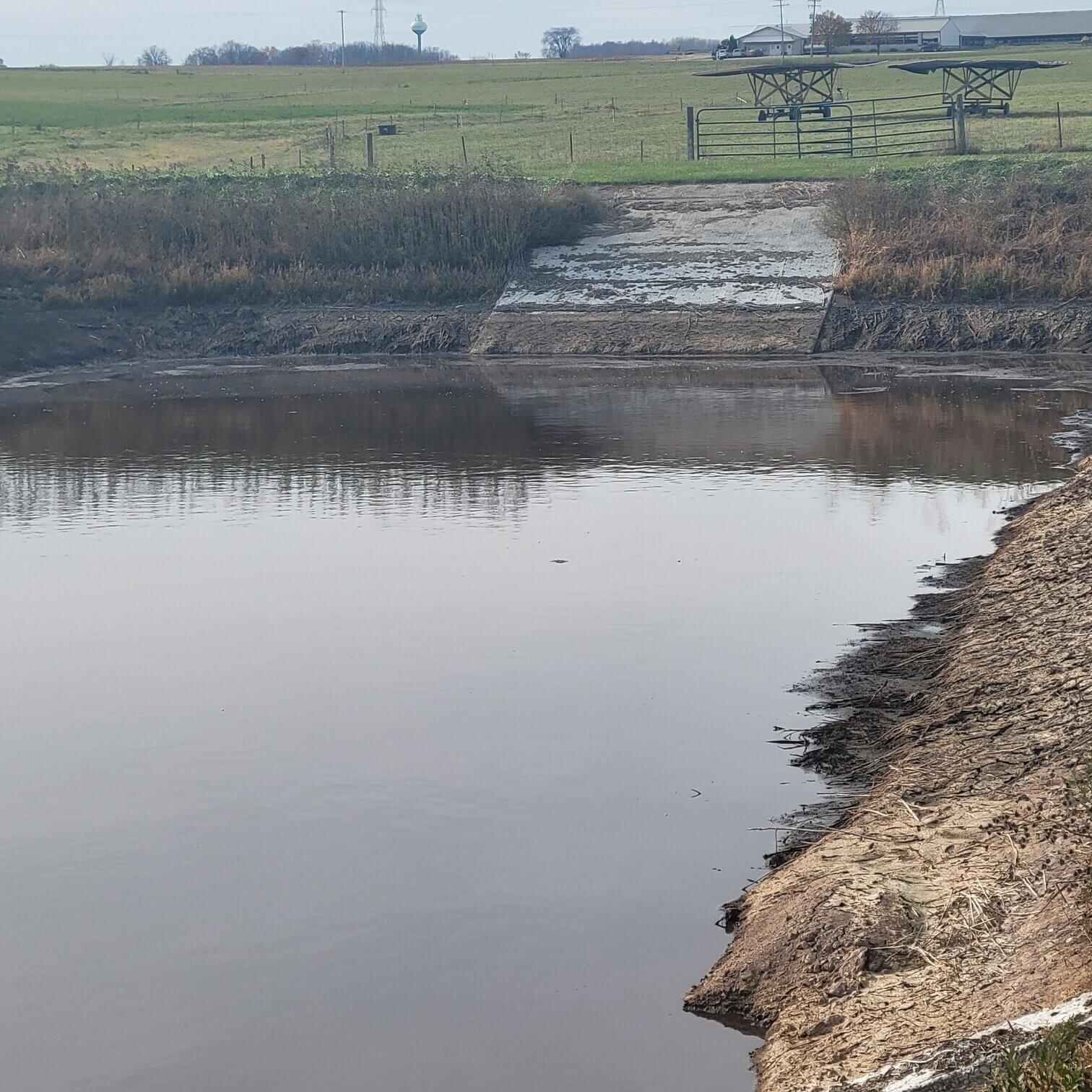
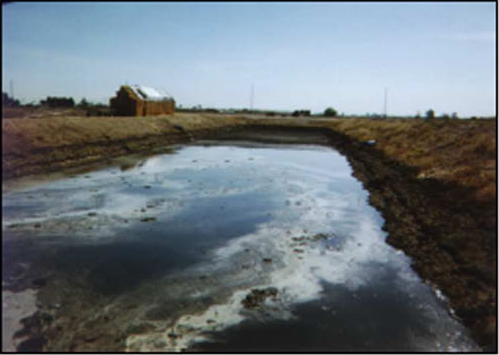
Animal Waste Treat (AWT) is a professional-grade microbial blend formulated for the treatment of livestock and dairy waste in lagoons, pits, and manure handling systems. It contains high-CFU animal waste treatment bacteria that target manure, urine, and other organic residues, helping operators maintain cleaner, more efficient systems. The specialized strains degrade fats, proteins, and fibrous material, reducing odors, sludge buildup, and nutrient overload that often lead to costly management challenges.

AWT improves lagoon and pit stability, reduces hauling and dredging frequency, and helps farmers get more value out of manure effluent for land application. Its robust biology maintains performance across seasonal temperature swings, variable loading rates, and fluctuating pH conditions.

Key Benefits:

  • Controls Odors: Targets hydrogen sulfide, ammonia, and volatile fatty acids to reduce nuisance odors and community complaints
  • Reduces Sludge & Crust Formation: Speeds digestion of solids and fibrous material to minimize dredging, pumping, and mat buildup
  • Improves Nutrient Balance: Stabilizes nitrogen, phosphorus, and organic matter for more consistent effluent quality and fertilizer value
  • Enhances Liquid Flow & Pumping: Maintains hydraulic capacity and prevents clogging in flush systems, pits, and irrigation lines
  • Supports Regulatory Compliance: Reduces risk of discharge, odor violations, and nutrient overload while supporting nutrient-management goals
  • Lowers Operating Costs: Decreases hauling, chemical inputs, and long-term maintenance, extending lagoon storage life

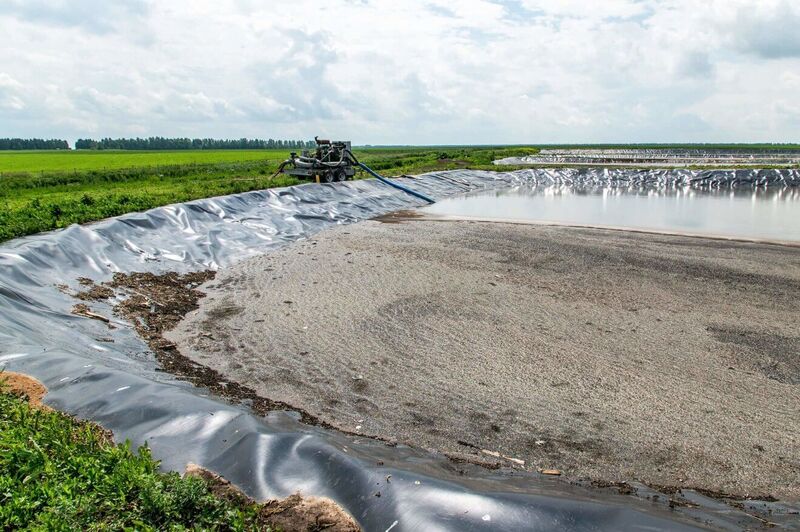
Livestock lagoons, manure pits, and dairy waste systems face constant challenges from heavy organic loading, solids buildup, and odor generation. Accumulated sludge reduces hydraulic capacity, while volatile fatty acids (VFAs), hydrogen sulfide, and ammonia drive nuisance odors, neighbor complaints, and compliance risks. Seasonal temperature swings and variable manure inputs further stress lagoon stability, leading to costly pumping, hauling, and dredging requirements.

Animal Waste Treat (AWT) is a high-CFU, spore-forming Bacillus blend engineered for reliable animal waste treatment in lagoons, pits, and manure management systems. These facultative anaerobic strains thrive in oxygen-limited conditions and across wide pH and temperature ranges, ensuring consistent pit and lagoon bioaugmentation in the challenging environments typical of livestock operations. AWT includes denitrifying bacteria for lagoons that support nitrifying bacteria like Nitrosomonas and Nitrobacter. The product helps reduce nitrates and nitrites under anaerobic conditions, while supporting nitrifiers that keep ammonia and nitrite in balance. This stabilizes nitrogen cycling and improves effluent quality in lagoons and manure pits.

AWT contains organic waste digestion microbes selected for their ability to degrade proteins, fats, cellulose, and fibrous residues. It has proven effectiveness in cattle & swine manure pit treatment and poultry waste lagoon treatment, where it accelerates solids digestion, reduces sludge buildup, and controls odors.The formulation also digests VFAs, ammonia, and other odor precursors, delivering lagoon odor control and stabilizing effluent for land application. AWT’s manure lagoon treatment bacteria reduces crust and odors, liquefies waste, and delivers more consistent nutrient recycling value for crops.

Applications

  • Livestock Lagoons: Cattle, dairy, hog, and poultry lagoons where sludge and odor management are critical
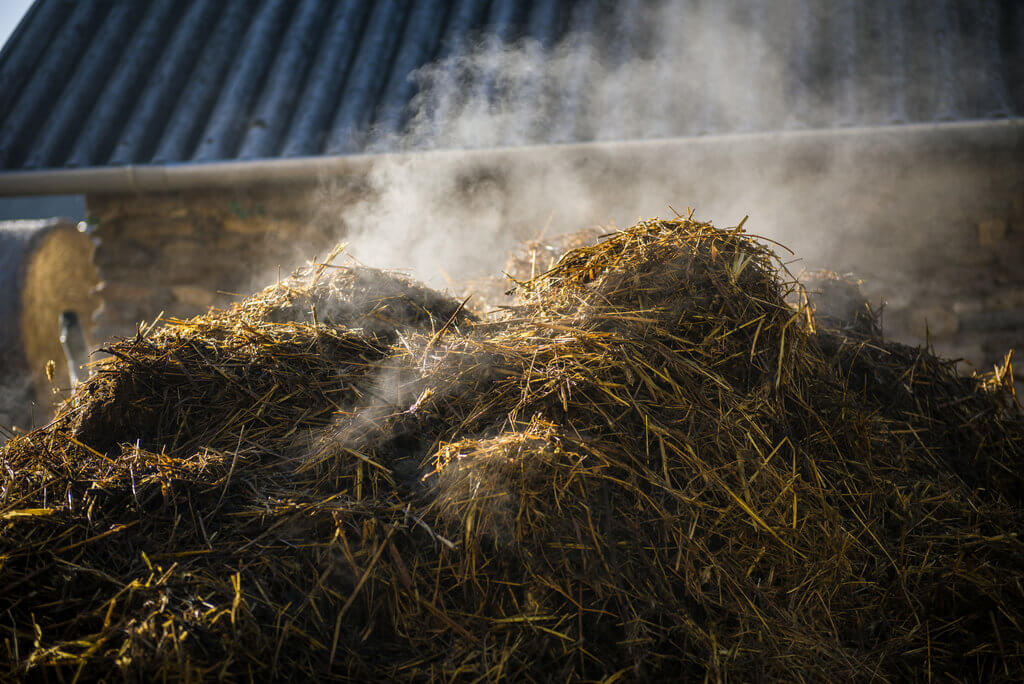
  • Manure Pits & Storage Tanks: Deep-pit swine and dairy manure storage with high organic loading
  • CAFO Wastewater Treatment: Designed for concentrated animal feeding operations that require large-scale lagoon and pit management, odor control, and compliance support
  • Flush Systems & Transfer Lines: Keeps lines open and prevents clogging from solids carryover
  • Waste Handling Facilities: Stabilizes effluent in reception pits, holding ponds, and storage tanks
  • Odor Hotspots: Targets VFAs, ammonia, and H₂S in lagoons, barns, and manure-handling systems
  • Land Application Support: Improves nutrient stability and reduces odor during pumping and field spreading

Livestock Waste Odor Control

AWT microbes actively eliminate the root causes of lagoon and pit odors.

  • Digests VFAs that drive foul odors and microbial imbalance
  • Targeted bacteria that reduce hydrogen sulfide, ammonia, and mercaptans at the source
  • Stabilizes microbial ecology to resist seasonal or load-related upsets

Sludge and Crust Removal

The livestock waste treatment bacteria in AWT are chosen for rapid and reliable digestion of manure solids.

  • High protease, cellulase, and lipase activity break down proteins, fibers, and fats
  • Liquefies fibrous crusts and mats, restoring lagoon hydraulics
  • Regular application maintains fluid consistency and prevents heavy sludge layers from forming

Improves Pit Effluent Quality & Water Stability

AWT strengthens lagoon and pit performance by stabilizing the liquid fraction of animal waste.

  • Lowers organic load (BOD/COD) in lagoons for more stable lagoon biology and fewer upsets
  • Reduces total suspended solids (TSS) to improve effluent clarity
  • Produces cleaner, more uniform effluent for land application, irrigation, or discharge
  • Supports compliance with nutrient-management and water-quality targets

Improved Nutrient Management

By stabilizing manure biology, AWT enhances nutrient balance and fertilizer value.

  • Retains nitrogen and phosphorus in more plant-available forms
  • Reduces nutrient hotspots and uneven land application risks
  • Contains denitrifying bacteria and supports nitrifiers, balancing nitrogen and stabilizing methane generation in anaerobic digesters.
  • Supports compliance with nutrient-management and water-quality regulations

Efficiency and Cost Benefits

Biological treatment of lagoons and pits delivers measurable operational savings.

  • Extends lagoon storage life, reducing long-term capital expenses
  • Decreases frequency of pumping, hauling, and dredging
  • Cuts reliance on chemicals and odor-masking agents
  • Improves hydraulic flow in pits, lines, and pumps, lowering maintenance costs
  • Stabilizes anaerobic digesters by protecting methanogens, helping farms maintain more reliable methane generation for energy recovery

Why Choose Animal Waste Treat (AWT)?

  • Animal-Waste Focused Bioaugmentation: Specifically selected bacteria for livestock wastewater treatment, lagoons and manure pits
  • Specialized Microbial Blend: Facultative anaerobic strains that thrive in oxygen-limited, variable conditions
  • High-CFU Waste Treatment Bacteria: Strong shelf stability and high biological activity for consistent performance
  • Proven Odor & Sludge Control: Targets the core challenges of livestock waste - odors, solids, and nutrients
  • Energy Value Add: Supports steadier methane generation in anaerobic digesters by reducing ammonia and nitrite stress on methanogens
  • Flexible Product Forms: Available in powder, liquid, block, and tablet forms
  • Made in the USA: Manufactured under strict quality controls with lot traceability and CFU verification

Looking to buy the best bacteria for livestock lagoons, manure pits, and dairy waste systems? AWT manure management bacteria delivers reliable sludge reduction, odor control, and lagoon stability for farms of every size or in bulk, wholesale, OEM, and private-label packaging. Contact us today for pricing or more information.

Technical Data

Concentration (CFU/g):

  • Powder: 2, 50, 100 billion CFU/g dry powder
  • Liquid: 13.5 billion CFU/ml liquid
  • Blocks: 4 billion CFU/g
  • Tabs: 2 billion CFU/g

Custom concentrations available upon request

Packaging Options:

  • Powder: 22 lb (10 kg) pails, 44 lb (20 kg) pails, 340 lb (155 kg) drums
  • Liquid: Quart, liter, gallons and 55 gallon (208 liter) drums
  • Blocks: Cases of 4
  • Tablets: Packed in cases of 12 or in pails

Shelf-life:

  • 2 years at room temperature
  • 3 years refrigerated

Storage Recommendations:

  • Store in a cool, dry location away from direct sunlight.
  • Reseal container tightly after each use.

Application Guidllines:

Range Optimal
pH Range
Temperature
Application Rates

Powder
Lagoon and Pit Dosing for 50B Powder
PPM Daily Dose
(g / Million Liters of Influent)
Daily Dose
(g / Million Gallons of Influent)
Notes
0.04 40 150 Starting Dose
0.08 80 300 After 2 weeks
Liquid
Lagoon and Pit Dosing for 13.5B Liquid
PPM Daily Dose
(ml / Million Liters of Influent)
Daily Dose
(ml / Million Gallons of Influent)
Notes
0.04 150 570 Starting Dose
0.08 300 1140 After 2 weeks

Blocks

Apply one 2lb (900g) tab in lagoon per month per:

  • 50 cows
  • 100 heifers/dry cows
  • 200 feeder calves
  • 50 sows
  • 150 finisher hogs

Tabs

Apply one 130 gram tab in lagoon per week per:

  • 100 cows
  • 200 heifers/dry cows
  • 400 feeder calves
  • 100 sows
  • 300 finisher hogs
Product Basics

Q: What is Animal Waste Treat (AWT) and how does it work?

A: Animal Waste Treat is a high-CFU microbial blend designed for livestock and dairy waste treatment in lagoons, pits, and manure storage systems. It contains facultative anaerobic Bacillus strains that thrive in oxygen-limited, nutrient-rich conditions where conventional products often fail. AWT strains produce protease, cellulase, and lipase enzymes to break down proteins, fibers, and fats while digesting volatile fatty acids (VFAs) and other odor-causing compounds.

Q: Why use AWT instead of a standard wastewater bacteria product?

A: Standard wastewater blends are not optimized for heavy organic waste, fibrous solids, and the odor challenges found in manure systems. AWT bacteria are specifically selected for high activity in livestock lagoons and pits, with strains that accelerate solids digestion, stabilize effluent, and reduce odors like ammonia, hydrogen sulfide (H?S), and mercaptans.


Technical Performance

Q: What treatment benefits does AWT provide for lagoons and manure pits?

A: AWT bacteria support key biological processes that keep manure pits and lagoons stable:

  • Rapid sludge digestion through protease, cellulase, and lipase activity
  • VFA digestion to cut odors and limit hydrogen sulfide (H₂S) generation
  • Enhanced lagoon hydraulics by reducing crusts and mats
  • Improved nutrient balance for more consistent effluent quality

Q: Does AWT help reduce odors?

A: Yes. By breaking down VFAs and other odor precursors, AWT reduces hydrogen sulfide, ammonia, mercaptans, and other nuisance gases. This improves on-farm conditions and reduces neighbor complaints.

Q: Can AWT improve effluent quality?

A: AWT lowers BOD, COD, and TSS in lagoon and pit effluent, producing cleaner, more stable liquid for land application or discharge. It helps farms move closer to nutrient-management and water-quality targets.

Q: Does AWT help reduce operating costs?

A: Yes. AWT reduces sludge buildup, which lowers dredging and hauling frequency. It also cuts chemical dosing for odor control and helps extend lagoon storage life, leading to lower overall operating costs.

Q: How fast will I see results in my lagoon or pit?

A: Most operations notice reduced odors within 2 weeks and measurable sludge reduction after 1-2 months of use, depending on loading rates and lagoon conditions.


System Applications

Q: Can AWT be used in all types of livestock operations?

A: Yes. AWT contains high-CFU livestock wastewater treatment microbes effective across dairy, swine, poultry, and cattle operations. It is equally suitable for use in CAFO wastewater treatment systems or smaller farms, with microbes that adapt to the variable loading rates and environmental conditions common in agricultural wastewater systems such as lagoons, pits, and manure tanks.

Q: Does AWT work in both aerobic and anaerobic zones?

A: Yes. AWT contains 100% facultative anaerobic microbes, which perform reliably in aerobic, anoxic, and anaerobic conditions found in lagoons and pits.

Q: Can AWT help with land application of manure effluent?

A: Absolutely. By stabilizing nitrogen, phosphorus, and organic matter, AWT produces a cleaner, more uniform effluent that is easier to pump, spread, and use as a crop fertilizer.

Q: Does AWT reduce crusting and solids accumulation?

A: Yes. AWT includes strains that break down fibrous material, reducing crust formation, mats, and solids buildup that restrict hydraulic flow in lagoons and pits.

Q: Does AWT support nitrification and denitrification in livestock lagoons?

A: Yes. AWT contains facultative anaerobic strains denitrifying bacteria for lagoons, helping reduce nitrates and nitrites by converting them into nitrogen gas. At the same time, AWT provides nitrification support in livestock wastewater by enhancing biological pathways that convert ammonia into more stable nitrogen forms. Together, these processes lower excess nitrogen levels, improve lagoon stability, and produce cleaner effluent for land application or discharge.

Q: Can AWT be used in anaerobic waste digesters?

A: Yes. AWT is effective in anaerobic waste digesters as well as lagoons and pits. It contains facultative anaerobic strains that support the activity of nitrifying bacteria, which convert ammonia into more stable nitrogen forms. By reducing excess ammonia and nitrite, both of which are known inhibitors of methanogenic microbes, AWT helps protect and stabilize the methanogen population. This results in a more balanced microbial community, improved digestion of organic matter, and steadier methane generation over time.


Formats & Packaging

Q: What product formats are available?

A: AWT can be supplied in multiple dosing options:

  • Powder: 22 lb (10 kg) and 44 lb (20 kg) pails, 340 lb (155 kg) drums
  • Liquid: quarts, liters, gallons, and 55-gallon (208 L) drums
  • Blocks: slow-release blocks for lagoons, pits, and storage tanks
  • Tablets: easy-to-dose formats for smaller pits and handling systems

Q: Are blocks and tablets suitable for lagoons and pits?

A: Yes. They provide a controlled release of microbes, maintaining consistent biological activity and odor control over time.

Q: Where should blocks or tablets be placed for best performance?

A: Position them in areas with good water movement, such as near inlets, agitation points, or pump intakes, to ensure uniform microbial distribution.

Q: Is AWT safe for agricultural systems and the environment?

A: Yes. AWT contains all-natural, non-GMO Bacillus strains that are safe for manure management infrastructure, crops, soils, and downstream ecosystems.


Buying & Distribution

Q: Do you offer AWT in bulk or wholesale formats?

A: Yes. AWT is available in bulk and wholesale supply for farms, cooperatives, integrators, and agricultural service providers. Custom CFU concentrations and packaging options are available.

Q: Is AWT available for private label, OEM, or distributors?

A: Yes. AWT is offered in private label, OEM, and distributor-ready formats across powder, liquid, block, and tablet forms.

Q: Where can I buy livestock wastewater treatment microbes?

A: You can buy livestock and dairy waste treatment bacteria from us in bulk, wholesale, OEM, and private-label formats, with domestic and international shipping available.

Q: How can I place an order or request a quote?

A: Contact our sales team to request pricing or product information. We work directly with farmers, dairies, swine operations, poultry producers, and distributors.

Case Studies

Wisconsin Dairy Manure Lagoon: +64.6 lbs N/Acre and Phosphorus Reduction with Pit Puck

Problem:
A Wisconsin dairy farm used a manure lagoon to store liquid manure and supply nutrient-rich slurry for field application. Ongoing sludge accumulation, surface scum, and strong odors were reducing lagoon efficiency, making agitation and pumping more difficult, and limiting the operational value of the manure storage system. The producer also needed to improve the agronomic profile of the lagoon slurry, lifting plant-available nitrogen and potassium while controlling phosphorus levels that restrict manure application rates under nutrient management plans. The trial evaluated whether Pit Puck microbial tablets, a high-CFU manure lagoon biological additive, could reduce sludge and odor while shifting the lagoon's nutrient balance toward higher fertilizer value.
Before
Prior to treatment, the manure lagoon showed clear signs of biological imbalance, including significant sludge buildup on the lagoon floor and a persistent scum layer across the surface. These conditions contributed to stronger odors, more challenging agitation, and reduced pumping efficiency. Laboratory nutrient analysis indicated lower levels of plant-available nitrogen and potassium, while phosphorus remained a limiting factor for land application under the farm's nutrient management plan, leaving the farm unable to capture the full fertilizer value of its liquid manure.
After
After implementing Pit Puck microbial tablets for manure lagoons, the farm observed a cleaner, more biologically active lagoon with substantially reduced sludge, diminished surface scum, and noticeably lower odor. Laboratory analysis confirmed measurable improvement in manure nutrient quality at the 20,000 gallon application rate: an additional 64.6 lbs of usable nitrogen per acre, an additional 71.6 lbs of potassium per acre, and a 13.4 lbs reduction in phosphorus per acre, allowing greater application flexibility under nutrient management plan limits. Sulfur also declined by 5.8 lbs per acre, supporting a more balanced overall nutrient profile. For dairy operators, livestock producers, and crop farmers using manure lagoons as part of their nutrient management strategy, this case demonstrates what high-CFU manure lagoon bioaugmentation can deliver on both operational efficiency and crop fertility.
Download the Case Study here:
download

Brazil Poultry Slaughterhouse Wastewater Treatment: 86% BOD Reduction and FOG Elimination in 90 Days

Problem:
A poultry slaughterhouse wastewater treatment plant processing wastewater from a 90,000-bird-per-day operation in Brazil was experiencing severe biological treatment failure, with excessive surface fats, oils, and grease (FOG) accumulation generating strong odors, suppressing oxygen transfer in the aeration tank, inhibiting biological activity, and driving overall treatment efficiency down. The facility treated 2,250 m³ per day with an 8-day hydraulic retention time, but effluent BOD measured 860 mg/L and treatment plant efficiency had dropped to 55%, creating compliance pressure and operational instability. The plant needed a high-CFU bioaugmentation program capable of digesting the FOG load, restoring oxygen transfer, and rebuilding biological treatment performance without major process changes. The trial evaluated whether Wastewater Treat (WT), a high-CFU industrial wastewater bacteria blend, could simultaneously address FOG, odor, and BOD across a high-strength meat processing waste stream.
Before
A poultry slaughterhouse wastewater treatment plant processing 2,250 m³ per day from a 90,000-bird-per-day operation experienced severe FOG accumulation, strong odor generation, and poor biological performance across the aeration system. Effluent BOD concentrations measured 860 mg/L despite the 8-day hydraulic retention time, and overall treatment plant efficiency had fallen to 55%. The thick FOG layer at the surface restricted oxygen transfer, inhibited biological activity in the aeration basin, and undermined the plant's ability to meet discharge standards consistently, while the persistent odor created operational and community pressure on the facility.
After
Following continuous application of Wastewater Treat (WT), a high-CFU industrial wastewater bacteria blend, FOG buildup and wastewater odors were eliminated at the source within the treatment train. Effluent BOD was reduced from 860 mg/L to 121 mg/L, an 86% reduction, and overall wastewater treatment plant efficiency increased from 55% to 86% within 90 days, restoring stable biological performance and bringing the facility back into compliance with discharge standards. With FOG digested and oxygen transfer restored, the aeration tank regained capacity to handle the high-strength meat processing waste stream without process upsets. For poultry slaughterhouse operators, meat processing facilities, and industrial wastewater plants struggling with FOG-driven treatment failures, this case demonstrates what high-CFU bioaugmentation can deliver on BOD reduction, FOG elimination, and aeration recovery under real industrial operating conditions.
Download the Case Study here:
download