Sunrise is an OMRI Listed, CDFA-registered microbial inoculant and multi-strain biofertilizer developed for professional and specialty crop programs. This advanced microbial consortium for agriculture combines beneficial bacteria and fungi that function as a soil probiotic for plants, enhancing soil fertility, nutrient cycling, and crop performance. The diverse, spore-forming microbial inoculant colonizes the rhizosphere to solubilize nutrients, decompose organic matter, and strengthen the soil microbiome for sustainable productivity and more efficient nitrogen utilization.

  • Builds Soil Fertility: enhances biological nutrient availability, accelerates organic matter conversion, and supports long-term soil structure and productivity.
  • Improves Fertilizer Efficiency: Enhances nutrient-use efficiency by unlocking bound phosphorus and micronutrients while promoting biological nitrogen availability to reduce dependence on synthetic inputs.
  • Enhances Root Growth: Stimulates root elongation and branching for improved nutrient and water uptake.
  • Promotes Crop Vigor & Resilience: Boosts plant establishment and tolerance to environmental stress for consistent performance across diverse conditions.
  • Balances the Soil Microbiome: Encourages beneficial microbial dominance, supporting healthier, more biologically active soils.
  • OMRI Listed & CDFA Registered: OMRI Listed biofertilizer for organic production systems; CDFA registered for sale and distribution in California as a microbial soil amendment.

Modern agriculture places heavy demands on soil systems. Continuous cropping, heavy fertilizer use, and tillage can reduce microbial diversity, disrupt nutrient cycling, and weaken soil structure. Over time, soils lose fertility and biological balance, limiting nutrient efficiency and crop performance.

Sunrise is a high-CFU microbial inoculant and multi-strain biofertilizer designed to restore biological activity and strengthen the rhizosphere. This advanced microbial consortium for agriculture combines beneficial Bacillus, Brevibacillus, Pseudomonas, and fungal species that function as a soil probiotic for plants. Working synergistically, these beneficial soil microorganisms enhance nutrient cycling, increase biological nitrogen availability, and improve fertilizer efficiency for healthier, more resilient crops.

Each microbial group in Sunrise plays a complementary role in soil performance. The Bacillus and Brevibacillus species, recognized as phosphate-solubilizing bacteria and potassium-solubilizing microbes, serve as a bacterial biofertilizer that releases organic acids and enzymes to convert bound nutrients into plant-available forms. Pseudomonas species act as rhizosphere probiotics and plant growth-promoting microbes, producing siderophores that chelate iron and enhance micronutrient uptake. They also synthesize natural plant hormones (IAA, IBA, CK, GA) that stimulate root elongation and branching for vigorous growth.

The beneficial fungi, including Trichoderma, Aspergillus, and Penicillium, extend the network of this microbial consortium biofertilizer. These enzyme-producing microbes for nutrient uptake break down residues, recycle organic matter, and release phosphorus while acting as microbial EPS producers that secrete polysaccharides to bind soil particles into aggregates. The result is a biologically active soil ecosystem with improved structure, porosity, and aeration, creating conditions ideal for root development and long-term fertility.

By supporting these synergistic biological processes, Sunrise functions as a microbial soil amendment that rebuilds soil fertility and optimizes nutrient-use efficiency. This OMRI Listed and CDFA registered biofertilizer provides growers a sustainable solution for organic, regenerative, and conventional systems.

Applications

  • Horticultural & Vegetable Production: Strengthens root growth, improves transplant success, and enhances microbial balance in intensively managed soils.
  • Row Crops & Cereals: enhances nutrient-use efficiency, enhances biological nitrogen availability, and maintains soil structure across high-input systems.
  • Orchards & Vineyards: Promotes microbial diversity and long-term fertility in perennial production systems.
  • Greenhouse & High-Value Crops: Provides stable microbial populations that support nutrient uptake and consistent crop performance under controlled conditions.
  • Organic & Regenerative Systems: Certified OMRI Listed biofertilizer and CDFA registered biofertilizer that restores microbial balance, improves soil health, and supports nutrient cycling without synthetic inputs.

Enhances Soil Fertility & Structure

Healthy soils depend on active microbial communities that recycle nutrients and build aggregation. Sunrise functions as a microbial soil amendment that restores soil balance, improves texture, and increases biological activity.

  • Produces polysaccharides that bind soil particles into aggregates, improving structure, porosity, and aeration.
  • Enhances organic matter decomposition and humus formation for long-term fertility.
  • Improves soil aggregation and stability, leading to better moisture retention and root-zone oxygenation.
  • Promotes soil microbiome balance under intensive or degraded conditions.

Optimizes Nutrient & Fertilizer Efficiency

Microbial interactions in the rhizosphere improve nutrient cycling and make fertilizers more effective. This microbial biofertilizer enhances nitrogen, phosphorus, and potassium availability for efficient crop nutrition.

  • Promotes biological nitrogen availability, reducing reliance on synthetic nitrogen inputs.
  • Facilitates phosphorus and potassium solubilization, increasing the accessibility of key macronutrients.
  • Produces diverse enzymes that accelerate nutrient breakdown and uptake.
  • Generates siderophores that chelate iron and support micronutrient absorption.

Supports Root Health & Development

Healthy root systems drive nutrient uptake, water absorption, and plant stability. This soil probiotic for plants colonizes root surfaces and enhances early establishment.

  • Stimulates root elongation, branching, and fine-root density through production of natural plant growth regulators (IAA, IBA, CK, and GA).
  • Maintains a beneficial microbial population along roots for sustained nutrient exchange.
  • Enhances root vigor in seedlings and mature crops, promoting uniform growth and establishment.

Promotes Crop Vigor & Stress Resilience

Through diverse metabolic activity, Sunrise strengthens plants’ natural defense and growth mechanisms. The formulation acts as a biofertilizer for crops that improves performance under stress.

  • Produces antibiotic metabolites that help induce systemic plant resistance and maintain rhizosphere balance.
  • Enhances nutrient uptake efficiency and photosynthetic stability under drought, salinity, and nutrient stress.
  • Supports uniform growth, crop consistency, and resilience in challenging soil or climate conditions.

Balances the Soil Microbiome

A stable microbial community is essential for nutrient cycling and long-term soil productivity. This microbial consortium biofertilizer fosters beneficial microbial dominance to sustain healthy soil ecology.

  • Encourages beneficial microbial dominance, supporting equilibrium in the rhizosphere.
  • Produces organic acids, enzymes, and metabolites that maintain microbial stability and suppress imbalance.

Sustains soil ecological resilience for lasting fertility and structure.


Why Choose Sunrise?

  • Comprehensive Multi-Strain Consortium: Combines beneficial bacteria and fungi for complete soil and plant support.
  • High-CFU, Spore-Forming Formula: 50 billion CFU/g powder ensures strong microbial viability, colonization, and stability in storage and field use.
  • Improves Fertilizer Efficiency: Promotes nutrient availability and biological nitrogen cycling to optimize fertilizer programs.
  • Soil, Root & Plant Health in One: Functions as a microbial soil amendment, biofertilizer, and probiotic for plants.
  • OMRI Listed & CDFA Registered: OMRI Listed for use in organic systems; CDFA registered for sale and distribution in California.
  • Trusted US Manufacturer: Available in bulk, wholesale, OEM, and private-label formats for distributors and agricultural input companies.

Looking to buy the best high-CFU soil probiotic biofertilizer for sustainable agriculture? Sunrise is a proven, OMRI Listed formulation that enhances soil fertility, nutrient efficiency, and crop resilience across diverse systems. Offered for sale directly by the producer in bulk, wholesale, OEM, and private-label formats, Sunrise provides a reliable biological foundation for sustainable agricultural productivity.

Technical Data

Concentration (CFU/g):

  • Powder: 50 billion CFU/g (5×10^10 CFU/g)
  • Custom concentrations available upon request

Particle Size (Mesh):

  • Passes 100-mesh sieve; compatible with 100-mesh screens

Packaging Options:

  • 22 lb (10 kg) pails; 37 lb (170 kg) pails; 330 lb (150 kg) drums
  • Custom/OEM and smaller formats available upon request

Shelf-life:

  • 18 months at room temperature; 24 months refrigerated
  • Store in a cool and dry place, away from direct sunlight; reseal tightly after each use
Range Optimal
pH Range
Temperature
Application Rates

Specialty Crops

General Program

  • Apply 13 g per acre (32 g per hectare) through drip or spray irrigation every 1–2 weeks during the crop cycle, targeting the root zone.
  • Thoroughly mix Sunrise into non-chlorinated water and maintain gentle agitation during application to prevent settling.
  • After each application, run a short clean-water flush to clear the lines.
  • Compatible with 100-mesh screens.

Frequency & Timing

  • Apply at least three times per crop cycle for best results.
  • If applying less often, increase the rate and focus treatments from two weeks before flowering through fruit development.

Alternate Application Options

  • Monthly application: Apply 50 g per acre (125 g per hectare), targeting the root zone for strong microbial establishment.
  • Single application: Apply 100-200 g per acre (250-500 g per hectare) once per crop cycle, focusing on the root zone for concentrated microbial activity.

Row Crops

In-Furrow Applications

  • For optimal results, apply twice per crop cycle:
    • 13 g per acre (32 g per hectare) at planting in-furrow.
    • 50 g per acre (125 g per hectare) 3–6 weeks later during the second pass (e.g., cultivation or side-dress).
      • If multiple passes are made, divide the 50 g/acre total across passes (e.g., 3 passes =16.7 g/acre per pass).

Irrigation Applications (Pivot, Drip, or Sprinkler Systems)

  • Apply 50 g per acre (125 g per hectare) through irrigation 2-3 times per season, spaced 3–6 weeks apart.
    • Begin the first application after root emergence, with additional treatments during active vegetative growth to maintain strong microbial activity in the root zone.

Notes

  • Always mix Sunrise into non-chlorinated water and maintain gentle agitation to prevent settling.
  • After each application, run a short clean-water flush to clear irrigation lines.
  • Compatible with 100-mesh screens and most liquid nutrient programs.
Product Basics

Q: What is Sunrise and how does this soil inoculant work?

A: Sunrise is a high-CFU, multi-strain microbial inoculant and soil probiotic biofertilizer combining beneficial Bacillus, Brevibacillus, Pseudomonas, Trichoderma, Aspergillus, and Penicillium. These microbes colonize the rhizosphere, solubilize nutrients, produce organic acids and enzymes, and support a balanced soil microbiome, enhancing nutrient cycling, root growth, and crop resilience.

Q: Is Sunrise biofertilizer OMRI Listed and CDFA registered?

A: Yes. Sunrise is OMRI Listed for use in certified organic production and CDFA registered for sale and distribution in California as a microbial soil amendment. It contains only naturally occurring, non-GMO microbes compatible with organic, regenerative, and conventional agriculture programs.

Q: Why choose a microbial consortium instead of a single-strain biofertilizer?

A: Single microbes perform specific functions, but multi-strain consortia like Sunrise create synergistic interactions in the rhizosphere. Bacillus, Brevibacillus, and Pseudomonas improve nutrient solubilization and root growth, while beneficial fungi enhance organic matter breakdown and soil structure. The result is a balanced microbial community that delivers broader and more consistent benefits than single-strain products.

Q: Is this microbial consortium safe for crops and soil ecosystems?

A: Yes. Sunrise is a soil probiotic that contains only naturally occurring, non-pathogenic bacteria and fungi. It is safe for plants, soils, and beneficial microbes and does not introduce any synthetic or genetically modified organisms.


Technical Performance

Q: How does this microbial inoculant improve soil fertility and nutrient availability?

A: Sunrise enhances soil fertility through biological nutrient cycling and enzyme activity. Its microbes:

  • Produce organic acids that solubilize bound phosphorus and potassium.
  • Promote biological nitrogen availability, reducing dependence on synthetic N inputs.
  • Generate siderophores that chelate iron and increase micronutrient uptake.
  • Release enzymes (cellulase, protease, amylase) that accelerate organic matter decomposition.

Q: How does this biofertilizer support root development and plant growth?

A: The Bacillus, Brevibacillus, and Pseudomonas components act as plant growth-promoting microbes, producing natural hormones (IAA, IBA, CK, GA) that stimulate root elongation and fine-root density for improved nutrient and water uptake. The beneficial fungi (Trichoderma, Aspergillus, and Penicillium) also enhance root health by colonizing the rhizosphere, releasing enzymes that decompose organic matter, and improving soil structure for stronger root anchoring and consistent plant establishment.

Q: Can this microbial consortium help plants under stressful conditions?

A: Yes. By maintaining a balanced microbiome and stimulating systemic plant responses, Sunrise bacterial biofertilizer enhances tolerance to drought, salinity, nutrient imbalance, and other abiotic stresses. It also promotes consistent growth under high-input or intensive management conditions.

Q: Does Sunrise improve fertilizer efficiency?

A: Yes. This crop inoculant acts as a microbial biofertilizer that improves nutrient-use efficiency. It helps unlock bound phosphorus and micronutrients while enhancing nitrogen cycling in the root zone, allowing growers to get more out of their existing fertilizer programs.

Q: What is the shelf life of Sunrise and how should it be stored?

A: Sunrise has a long shelf life due to its high-CFU, spore-forming formulation. When stored in a cool, dry location away from direct sunlight and moisture, it remains viable for 18 months. Keep sealed when not in use, and avoid prolonged exposure to high temperatures or humidity to maintain full microbial activity and CFU count.

Q: How long does Sunrise remain stable after mixing in water?

A: Once mixed in non-chlorinated water, Sunrise remains stable and active for up to 12–24 hours. For best results, apply the solution the same day it is prepared to ensure maximum microbial viability. Avoid mixing with hot water, chlorinated sources, or harsh chemicals, and maintain gentle agitation if the mixture is held before application.


System Applications

Q: What types of crops benefit from Sunrise?

A: Sunrise is a regenerative agriculture biological that supports a wide range of agricultural systems:

  • Horticultural & vegetable production: Strengthens root growth and transplant success.
  • Row crops & cereals: Improves nutrient-use efficiency and maintains soil structure.
  • Orchards & vineyards: Promotes microbial diversity and long-term soil fertility.
  • Greenhouse & high-value crops: Provides consistent microbial support in controlled conditions.
  • Organic & regenerative systems: Certified OMRI Listed biofertilizer and CDFA registered biofertilizer compatible with microbiome management strategies.

Q: Can Sunrise be mixed in water and applied through irrigation or fertigation?

A: Yes. Our bioinoculant is a water-dispersible, spore-forming microbial inoculant that can be mixed in non-chlorinated water and applied through irrigation, fertigation, or spray systems. Its stable formulation allows for uniform distribution without clogging and is compatible with most nutrient programs.

Q: How is this soil probiotic typically applied in the field or production systems?

A: Sunrise can be applied through soil drench, in-furrow application, seed treatment, foliar spray, or fertigation and can also be blended with other microbial fertilizers.

Q: Can Sunrise be used with fertilizers or composts?

A: Yes. This soil inoculant integrates well with organic matter inputs and standard fertility programs. It can be used alongside compost, humic acids, and liquid fertilizers as long as extreme heat and high-chlorine water are avoided.

Q: Can this biological soil amendment be mixed or applied with pesticides?

A: Avoid applying Sunrise at the same time as chemical pesticides or strong oxidizers. Such products can reduce microbial viability. If both are required, apply Sunrise at least 72 hours before or after pesticide applications. Do not tank-mix with harsh chemicals or chlorinated water.

Q: Does Sunrise support degraded or low-organic matter soils?

A: Yes. By decomposing residues and producing polysaccharides that bind soil particles, it acts as a biological soil conditioner that enhances aggregation and organic matter stability, making it especially useful for depleted or compacted soils.


Formats & Packaging

Q: In what formats is this biofertilizer available?

A: Sunrise is produced as a high-CFU microbial inoculant offered in commercial bulk formats:

  • Powder: 22 lb (10 kg) and 44 lb (20 kg) pails, 340 lb (155 kg) drums
  • Custom formulations: Available for OEM and private-label programs

Q: Can Sunrise be purchased wholesale or private-label?

A: Yes. Our Sunrise soil probiotic is available in bulk, wholesale, OEM, and private-label formats, making it a flexible solution for distributors, integrators, and agricultural input companies seeking a trusted microbial fertilizer manufacturer.


Buying & Distribution

Q: Where can I buy high-CFU microbial inoculants for soil and crop health?

A: Sunrise is for sale directly from the producer in bulk, wholesale, OEM, and private-label formats. It is a trusted OMRI Listed microbial biofertilizer for growers and distributors seeking a reliable multi-strain biostimulant for organic and regenerative farming systems.

Q: Who produces Sunrise and how is it manufactured?

A: We manufacture this multi-strain biofertilizer in-house under strict quality control and traceability standards. Each batch is verified for CFU count, strain purity, and stability to ensure consistent field performance. Buying direct from the producer eliminates middle layers and provides a dependable supply chain for bulk microbial inputs.

Q: How can I request pricing or samples?

A: Contact our sales team for quotes or sample requests. This high-CFU microbial consortium for agriculture is available in commercial packaging for agricultural producers, input distributors, and integrators.

Case Studies

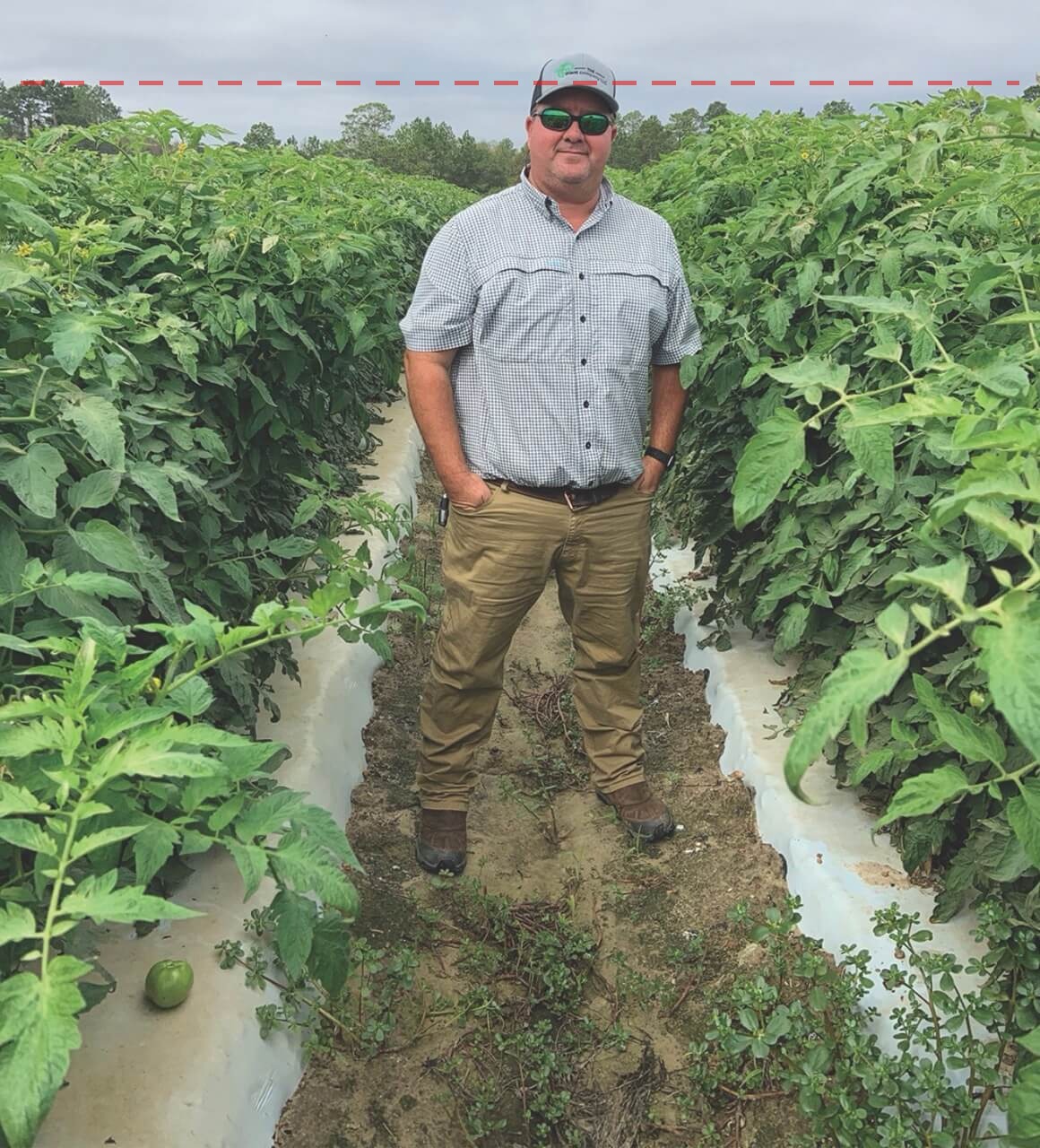
Georgia Commercial Tomato Field Trial: 36% More Cartons Per Acre with Soil Inoculant

Problem:
A commercial tomato grower in Georgia wanted to increase marketable cartons per acre and strengthen root development without raising fertilizer inputs across his Spring 2019 crop. Weaker vegetation, shallow roots, and physiological disorders like blossom end rot and sun scald were reducing the percentage of fruit grading as marketable at packout. The trial evaluated whether Sunrise Soil Probiotic, an OMRI Listed and CDFA registered multi-strain microbial inoculant of beneficial bacteria and fungi, could lift commercial tomato yield, fruit quality, and gross profit per acre when paired with the grower's existing fertility program. A 20-acre treated zone was compared head-to-head against a 20-acre untreated control under matched field conditions.
Before
The untreated 20-acre control zone yielded 2,200 cartons per acre across the Spring 2019 season, producing 44,000 cartons total. At $12 per carton, that came to $26,400 per acre and $528,000 in gross revenue, a respectable Southeast commercial tomato baseline but well short of what the grower believed the ground was capable of. Untreated plants showed weaker canopy coverage, shallow root systems, and reduced vigor through the season, leaving the crop more dependent on supplemental fertilizer to maintain growth. The grower also recorded higher incidence of blossom end rot and sun scald, both physiological disorders that pulled the marketable percentage down at packout.
After
The Sunrise-treated 20-acre zone yielded 3,000 cartons per acre, an 800-carton-per-acre increase and 16,000 additional cartons across the full block. Gross profit climbed to $36,000 per acre and $720,000 total, a 36% gain in both marketable yield and gross revenue. With Sunrise costing just $115 per acre, the trial returned an ROI above 8,000%. The grower reported visibly bushier plants with stronger, deeper root systems and improved canopy coverage in the Sunrise-treated rows. Blossom end rot in both tomato and pepper was minimal to nonexistent, likely driven by improved calcium uptake from a more biologically active rhizosphere. The grower also noted reduced supplemental fertilizer use, pointing to better nutrient efficiency from the soil biology Sunrise introduced.
Download the Case Study here:
download

China Greenhouse Strawberry Trial: 24% More Fruit and Higher Brix with Microbial Biofertilizer

Problem:
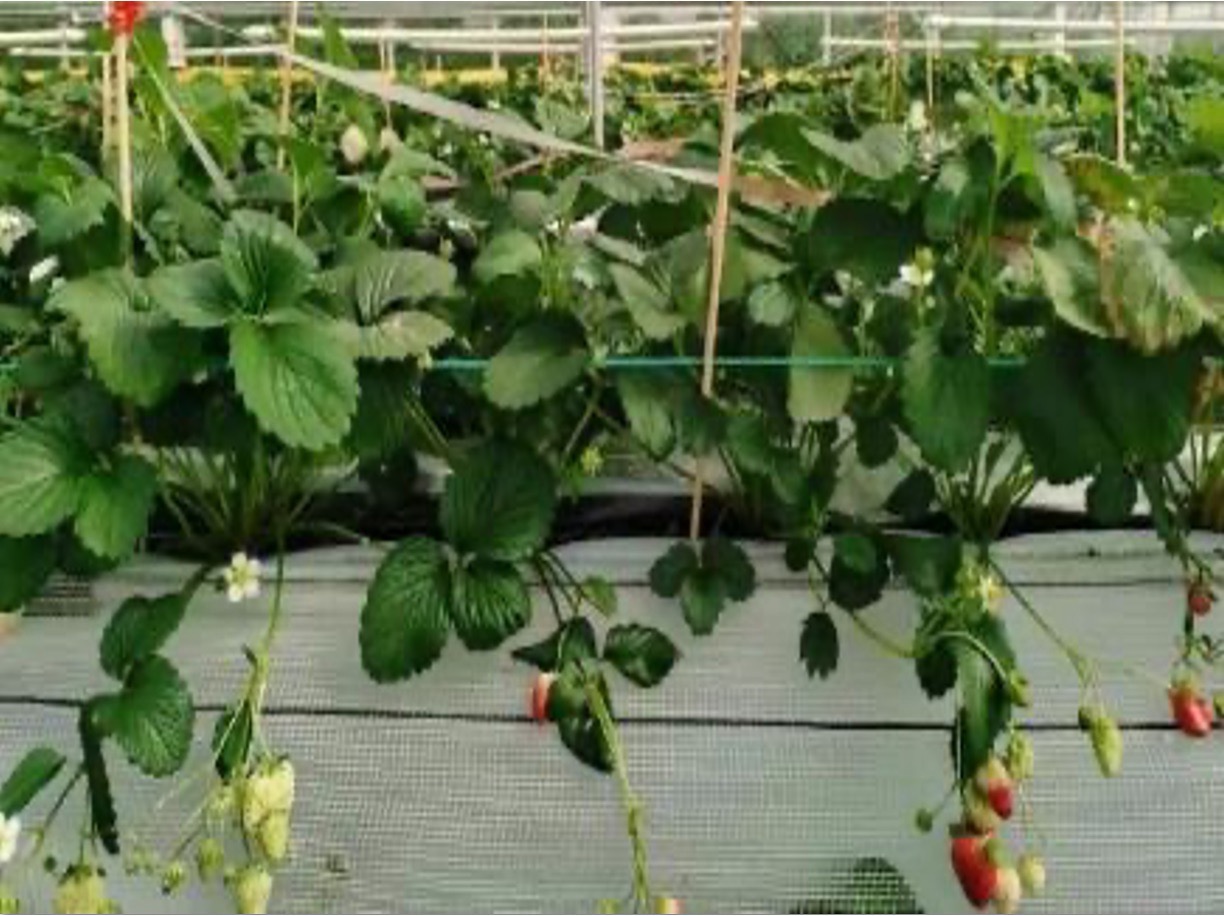
A commercial strawberry grower in China wanted to increase fruit count per plant and improve Brix sugar content over the December 2022 to February 2023 winter production season without changing the existing fertility program. In China's fresh strawberry market, marketable berries per plant and sweetness drive both packout rates and premium pricing at retail. The trial evaluated whether Sunrise Soil Probiotic, an OMRI Listed and CDFA registered multi-strain microbial inoculant of beneficial bacteria and fungi, could lift fruit count, soluble solids content, and overall plant vigor in an elevated tabletop greenhouse system. A treated zone was compared head-to-head against an untreated control across three months of harvest data to isolate Sunrise as the differentiating input.
Before
The untreated control zone averaged 34 fruit per plant in December, 79 in January, and 89 in February, totaling 202 fruit per plant across the three-month trial. Production did increase month over month as the crop matured, but the untreated plants showed visibly thinner canopy and less vigorous growth than the treated block. Brix readings declined steadily over the season, starting at 10.72 in December, dropping to 9.86 in January, and falling to 9.64 in February. For a fresh-market operation where sweetness drives buyer preference and premium pricing, that seasonal Brix decline translates directly to lower packout value at the retail end.
After
The Sunrise-treated zone produced 40 fruit per plant in December, 106 in January, and 105 in February, totaling 251 fruit per plant, a 24% increase over the untreated control across the season, with peak-harvest January gains hitting 34% more fruit. Brix readings held above 10.7 the entire trial: 11.22 in December, 10.86 in January, and 10.71 in February, outperforming the control by roughly a full Brix point every month. While untreated sugar content fell from 10.72 to 9.64 over the season, treated plants sustained Brix as nutrient demand increased, evidence that Sunrise helped maintain nutrient efficiency and sugar accumulation deeper into the production cycle. Treated plants also showed denser foliage, stronger canopy development, and heavier fruit set, with more berries reaching full color and market-ready condition.
Download the Case Study here:
download

Shandong Commercial Potato Field Trial: 31% Yield Gain and Better Tuber Uniformity with Microbial Soil Amendment

Problem:
A commercial potato grower in Shandong, China wanted to increase tuber yield and improve crop uniformity without overhauling his existing fertility program. The goal was to evaluate whether a multi-strain microbial inoculant could strengthen root development and nutrient efficiency enough to move the needle on marketable yield and packout consistency. The trial evaluated Sunrise Soil Probiotic, an OMRI Listed and CDFA registered multi-strain microbial inoculant of beneficial bacteria and fungi, applied twice at 45 g/ha (50 billion CFU/g) on a field transplanted February 1 at 48,000 plants per hectare. Harvest occurred on May 7, with treated and untreated zones evaluated head-to-head under matched field conditions to isolate Sunrise as the differentiating input.
Before
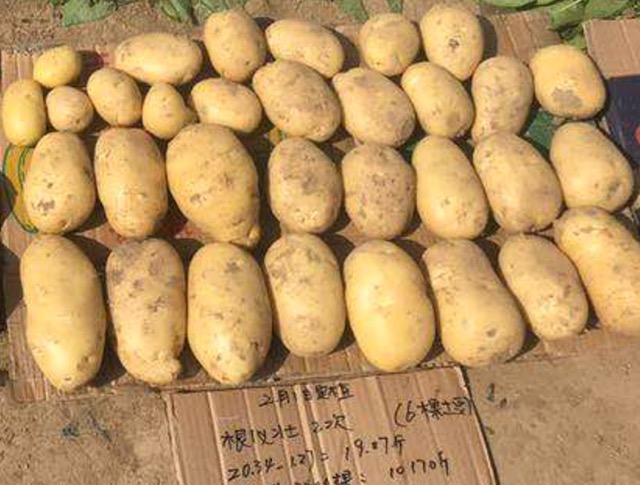
The untreated control field yielded 58,035 kg/ha. Side-by-side comparison photos from the trial show control potatoes were smaller and less uniform in size than those from the treated plot. For commercial potato production, that kind of size variability hurts packout consistency and cuts directly into returns per hectare, since buyers pay premiums for uniform, graded tubers. Without supplemental microbial support in the rhizosphere, the untreated plants relied solely on the conventional fertility program to drive both yield and tuber development, and the result was a baseline harvest typical of the production system but well short of what the field could deliver with stronger soil biology.
After
The Sunrise-treated field yielded 76,275 kg/ha, a gain of 18,240 kg/ha over the control and a 31.43% yield increase. Treated potatoes were also visibly larger and more uniform, pointing to stronger overall crop performance and better marketability at packout. The yield lift and uniformity improvement are consistent with what a well-colonized rhizosphere contributes to tuber development: improved nutrient cycling, root stimulation, and more balanced microbial activity in the root zone. For commercial potato growers looking to lift kg/ha and tighten size grading without restructuring their fertility program, this trial demonstrates what an OMRI Listed multi-strain microbial soil amendment like Sunrise can deliver under real production conditions.
Download the Case Study here:
download

Mexico Specialty Orchid Trial: 157% More Blooms and 87% More Branches with Beneficial Soil Microbes

Problem:
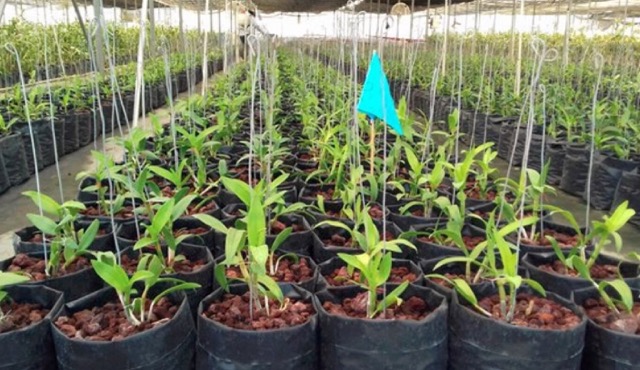
A specialty orchid grower in Mexico wanted to increase bloom count and branching density to improve plant quality and shelf appeal at point of sale without changing the existing nutrient program. In commercial orchid production, branches and blooms per plant are the two metrics that most directly drive plant value, since buyers grade heavily on visible fullness and flower count. The trial evaluated whether Sunrise Soil Probiotic, an OMRI Listed and CDFA registered multi-strain microbial inoculant of beneficial bacteria and fungi, could lift flowering performance and visual quality under matched greenhouse conditions. Over a 4-month period, branches and blooms per plant were measured across treated and untreated groups to isolate Sunrise as the differentiating input.
Before
The untreated control plants averaged 36 branches and 127 blooms per plant during the 4-month trial period. Branching was thinner, bloom set was lower, and overall plant fullness was visibly reduced compared to the treated group. The control plants established the baseline level of flowering and branching performance under the existing production program, with no microbial inoculant added beyond the standard fertility regime.
After
The Sunrise-treated plants averaged 67.5 branches per plant, an 87.5% increase over the control, and 327 blooms per plant, a 157% increase or roughly 2.6x the control. Treated plants showed denser branching, fuller bloom production, and stronger visual presentation at point of sale, the combination that drives premium pricing in commercial orchid production. The improvement came from a single addition to the existing nutrient program, with no other inputs changed between treated and control groups. For specialty orchid producers, ornamental plant nurseries, and greenhouse operations targeting the fresh-market trade, this trial demonstrates what an OMRI Listed multi-strain microbial inoculant of beneficial soil microbes like Sunrise can deliver on flowering performance under real production conditions.
Download the Case Study here:
download

South Carolina Commercial Hemp Trial: 25% Higher CBD with OMRI Listed Soil Probiotic

Problem:
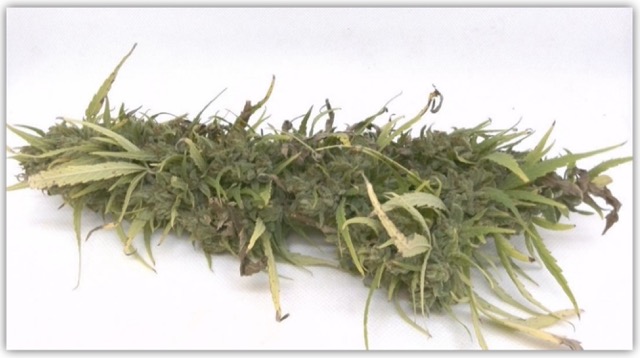
A commercial hemp grower in South Carolina wanted to increase CBD content and total cannabinoid percentage at harvest without altering the existing nutrient program or risking non-compliant Δ9 THC levels. In commercial hemp production, cannabinoid percentage drives per-pound crop value while Δ9 THC compliance, capped federally at 0.3%, determines whether a harvest can legally move through the market at all. The trial evaluated whether Sunrise Soil Probiotic, an OMRI Listed and CDFA registered multi-strain microbial inoculant of beneficial bacteria and fungi, could improve cannabinoid production under matched field conditions. Control and treated plots were analyzed at harvest for Total CBD, Total Cannabinoids, Δ9 THC, Total THC, and moisture content to isolate Sunrise as the differentiating input.
Before
The untreated control plot tested at 12.30% Total CBD and 15.61% Total Cannabinoids, with Δ9 THC at 0.03%, Total THC at 0.53%, and moisture content of 71.0% at harvest. The control plot established the baseline cannabinoid profile under the existing production program, with no microbial inoculant added beyond the standard fertility regime. Cannabinoid percentages at this level reflect typical Southeast hemp production but leave room for improvement in per-pound crop value driven by CBD and total cannabinoid content.
After
The Sunrise-treated plot tested at 15.40% Total CBD, a 25.2% increase over the control, and 19.60% Total Cannabinoids, a 25.6% increase. Moisture at harvest measured 69.2%, slightly lower than control and favorable for post-harvest drying and storage. Δ9 THC measured 0.03%, identical to the control, while Total THC measured 0.69%. The trial demonstrated meaningfully higher CBD and total cannabinoid content in the Sunrise-treated hemp with no increase in measured Δ9 THC, important for commercial growers operating under federal compliance thresholds. For licensed CBD hemp producers, certified organic operations, and Southeast farms looking to lift cannabinoid content without disrupting their existing fertility program or compliance profile, this trial demonstrates what an OMRI Listed multi-strain soil probiotic like Sunrise can deliver under real production conditions.
Download the Case Study here:
download

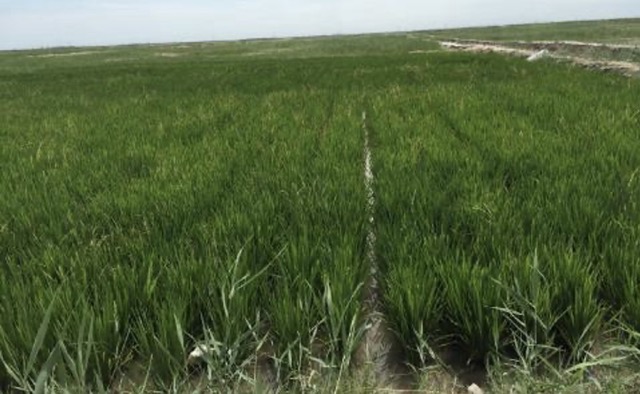
Jilin Saline-Alkali Rice Trial: 182% Yield Increase with Multi-Strain Microbial Inoculant

Problem:
A rice grower in Jilin Province, northeastern China was producing rice under severe saline-alkali soil conditions with soil pH of 9 to 10 and salinity of 0.5 to 0.6%. In this region, seedling emergence commonly falls below 50%, and long-term reliance on NPK fertilizers with limited crop rotation has contributed to degraded soil biology and chronically low yields. The trial evaluated whether Sunrise Soil Probiotic, an OMRI Listed and CDFA registered multi-strain microbial inoculant of beneficial bacteria and fungi, could improve rice performance under these stressed soil conditions. Trial fields covered 3,500 square meters, transplanted in June 2015 with harvest in October 2015. Both control and Sunrise-treated plots were pretreated with EM bacteria to begin pH and salinity neutralization, isolating Sunrise as the differentiating input. Sunrise was applied at 14.4 g per 1,000 m² of the standard 50 billion CFU/g formulation, mixed into the soil at transplanting. No base fertilizer or pesticides were used, and a single NPK application was made mid-cycle.
Before
The adjacent control field yielded 212.5 kg per 1,000 m², reflecting typical productivity for rice produced on saline-alkali land in this region. High pH, elevated salinity, and depleted soil biology suppress seedling establishment and final harvest, and the grower deliberately selected plots with the highest saline concentrations in the region to stress-test the product. For rice growers working marginal saline-alkali soil, baseline yields at this level make standard production economics difficult and often push fields out of viable cultivation entirely.
After
The Sunrise-treated field yielded 600 kg per 1,000 m², a 182.35% increase over the control and nearly 3x the control yield. Because both fields received the same EM pretreatment and the same mid-cycle NPK application, the yield difference reflects Sunrise as the only differentiating input between the two plots. One month after transplanting, treated rice plants showed thick, healthy green growth visibly absent from the adjacent control fields, and at harvest, root observations showed longer and more robust root systems in the treated plants. The trial demonstrated that Sunrise can substantially improve rice yield under severe saline-alkali soil conditions, on land where conventional inputs alone had failed to deliver competitive harvests. For rice growers, distributors, and agricultural programs working with high-pH salt-affected soils, this trial highlights what an OMRI Listed multi-strain microbial inoculant like Sunrise can deliver on restoring productivity to degraded land.
Download the Case Study here:
download