
- Products
- Overview
- Product Forms / Packaging
- Plant Health
- Wastewater
- Livestock Waste
- Aquaculture & Ponds
- Petroleum & Grease
- Case Studies
- Buy
- About
- Contact

At an industrial waste lagoon in São Paulo, Brazil, two months of Wastewater Treat applied with proper aeration cut BOD from 4,800 to 642 mg/L (87% lower), COD from 6,000 to 1,000 mg/L (83% lower), and oil and grease from 2,007 to 21 mg/L (99% lower), while pH corrected from 5.8 to 7.1 and open water returned.
| Metric | Before | After (2 months) |
|---|---|---|
| BOD | 4,800 mg/L | 642 mg/L (87% lower) |
| COD | 6,000 mg/L | 1,000 mg/L (83% lower) |
| Oil and grease | 2,007 mg/L | 21 mg/L (99% lower) |
| pH | 5.8 | 7.1 |
| Surface | Crusted, grease build-up | Open water restored |
An industrial waste lagoon in São Paulo, Brazil had fallen into biological overload. High-strength organic and oily influent had pushed BOD to 4,800 mg/L and COD to 6,000 mg/L, with oil and grease at 2,007 mg/L. The load had crusted the surface with solids and grease and driven the water acidic at pH 5.8, conditions that starve a lagoon of the oxygen and balanced biology it needs to treat itself.
The operator wanted the lagoon restored without the usual fallback options. Mechanical dredging is expensive and disruptive, and harsh chemical dosing creates its own disposal and safety problems. The goal was to digest the accumulated organic load, bring BOD, COD, and oil and grease down together, and reopen the water surface using biology rather than heavy equipment or chemicals.
The lagoon was treated with Wastewater Treat (WT), a high-CFU blend of six facultatively anaerobic microbial cultures that digest fats, oils, grease, sludge, and organic solids in municipal and industrial systems. WT was applied with proper aeration so the cultures had the oxygen and mixing they needed to work through the crusted surface and into the accumulated load.
As the microbes established, they broke down the surface grease cap and the organic solids suspended through the lagoon, pulling BOD and COD down while consuming the oil and grease that conventional treatment struggles with. No mechanical dredging was used and no toxic chemicals were added. Results were assessed after two months of treatment.

Day 0: the São Paulo waste lagoon sits crusted with grease and solids. BOD 4,800 mg/L, COD 6,000 mg/L, oil and grease 2,007 mg/L, water acidic at pH 5.8.
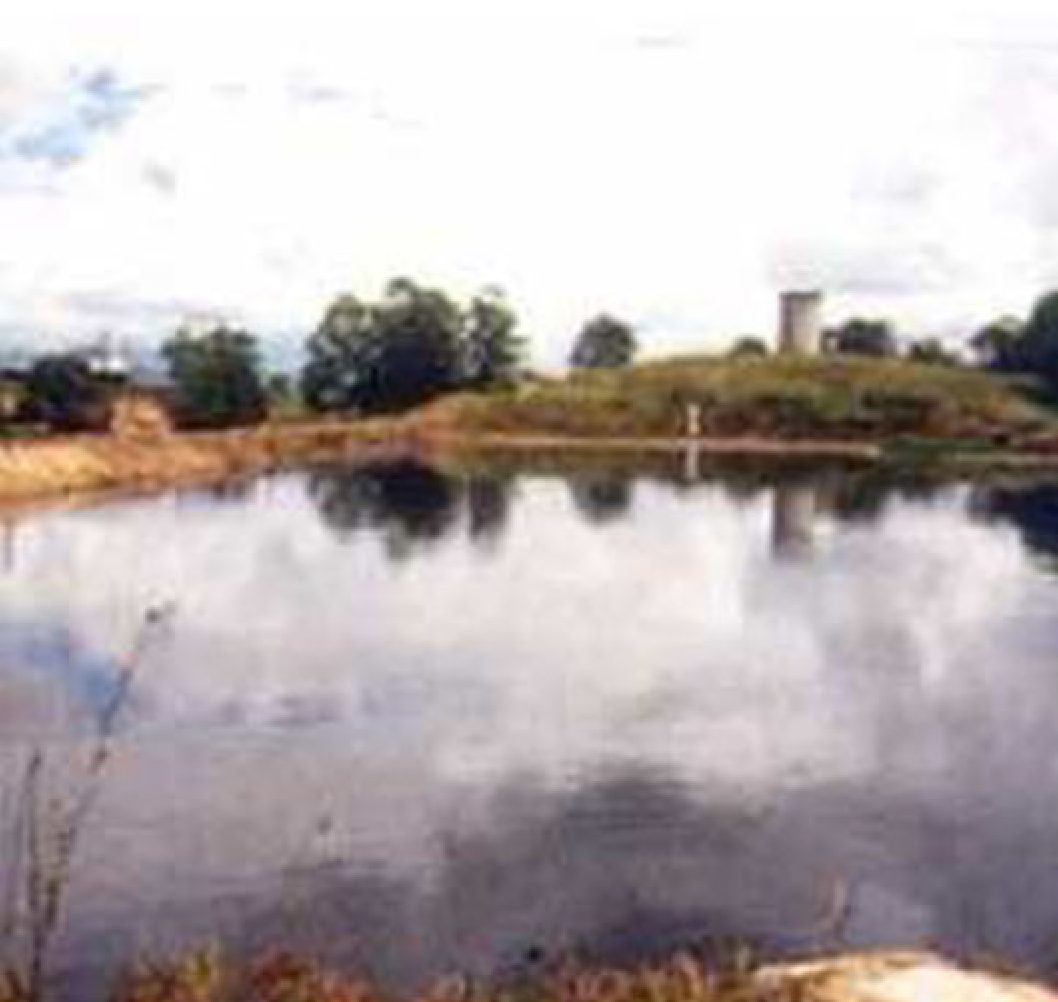
After 2 months: Wastewater Treat with aeration cut BOD 87% to 642 mg/L, COD 83% to 1,000 mg/L, and oil and grease 99% to 21 mg/L. pH back to 7.1 and open water restored.
After two months, every key metric had dropped sharply. BOD fell 87% from 4,800 to 642 mg/L, COD fell 83% from 6,000 to 1,000 mg/L, and oil and grease fell 99% from 2,007 to just 21 mg/L. The water corrected from an acidic pH 5.8 to a near-neutral 7.1, the crusted surface cleared, and open water was restored.
For municipal and industrial operators managing waste lagoons, holding tanks, and treatment ponds loaded with high BOD, COD, and oil and grease, this São Paulo case shows what a facultatively anaerobic microbial blend can do on organic load and water quality without dredging or chemicals.
In this São Paulo waste lagoon, two months of Wastewater Treat cut BOD by 87% (4,800 to 642 mg/L), COD by 83% (6,000 to 1,000 mg/L), and oil and grease by 99% (2,007 to 21 mg/L), while pH corrected from 5.8 to 7.1.
Yes. This lagoon was recovered biologically, with no mechanical dredging and no toxic chemicals. The microbial cultures digested the surface grease cap and accumulated solids in place, reopening the water while cutting organic load.
Results here were measured after two months of Wastewater Treat applied with proper aeration. Timelines vary with load, temperature, and aeration, but heavily loaded lagoons commonly show visible surface and odor improvement within the first weeks.
High-strength organic and oily influent overwhelms the lagoon's biology, so solids and fats, oils, and grease accumulate and crust the surface. That blocks oxygen transfer and drives pH down, the failure state this São Paulo lagoon was in before treatment.
Wastewater Treat (WT) is a high-CFU blend of facultatively anaerobic wastewater treatment bacteria for municipal, industrial, and agricultural systems. It targets BOD, COD, TSS, sludge, oil and grease, and odor, and produces enzymes that break down the fats, proteins, and organic solids that overload lagoons and treatment ponds.
Yes. Wastewater Treat ships from the manufacturer in bulk and wholesale, with formats for lagoons, holding tanks, and ponds. Send your lagoon volume and current BOD, COD, and oil and grease levels through the quote form and we will size a dosing program.
This is the product behind these results. Open its page for full specifications, packaging, and dosing rates.
Tell us your system size and current numbers. We will recommend a starting dose and send a quote.
Request a Quote


