Case Study

Wisconsin Pond Restoration: Algae and Odors Cleared in 2 Weeks with Pond Bacteria

At a Wisconsin freshwater pond, a high-CFU beneficial pond bacteria program cleared algae pressure, surface scum, and nuisance odors within two weeks by digesting excess organic matter and the nutrients that feed algae, restoring water clarity with no chemical algaecides and no aeration upgrades.

2 weeks
to visible clarity
0
chemical algaecides
0
odor and scum remaining

Results at a glance

MetricBeforeAfter 2 weeks
Water clarityTurbid, low lightVisibly clearer
Algae and surface scumBlooms, persistent scumSharply reduced
Nuisance odorStrong, anaerobicEliminated
Chemical algaecides usedn/aNone
Aeration upgradesn/aNone
Time to visible improvementn/aAbout 2 weeks

The challenge

A freshwater recreational pond in Wisconsin was losing its water quality to excess organic buildup and nutrient loading. Fed by leaves, runoff, and fish waste, the pond had developed heavy algae pressure, a layer of floating surface scum, cloudy low-clarity water, and strong nuisance odors from anaerobic decomposition on the bottom. The conditions hurt the pond's appearance and stressed its fish and aquatic life. The owner wanted to restore clear water and stop the odors at the source, without pouring in chemical algaecides or paying for mechanical aeration upgrades. The trial set out to see whether a high-CFU beneficial pond bacteria program could rebalance the pond biologically and deliver visible improvement in a short window.

What we did

A high-CFU Pond Treat (PD) beneficial pond bacteria powder was applied to the pond as directed. The blend colonizes both the water column and the pond bottom and releases enzymes that digest leaves, runoff organics, fish waste, and settled muck. As the bacteria break that material down, they draw down the excess nitrogen and phosphorus that feed nuisance algae, shifting the pond's nutrient cycling toward clearer, more stable water instead of more algae growth. No chemical algaecides were used and no aeration equipment was added.
This is some text inside of a div block.
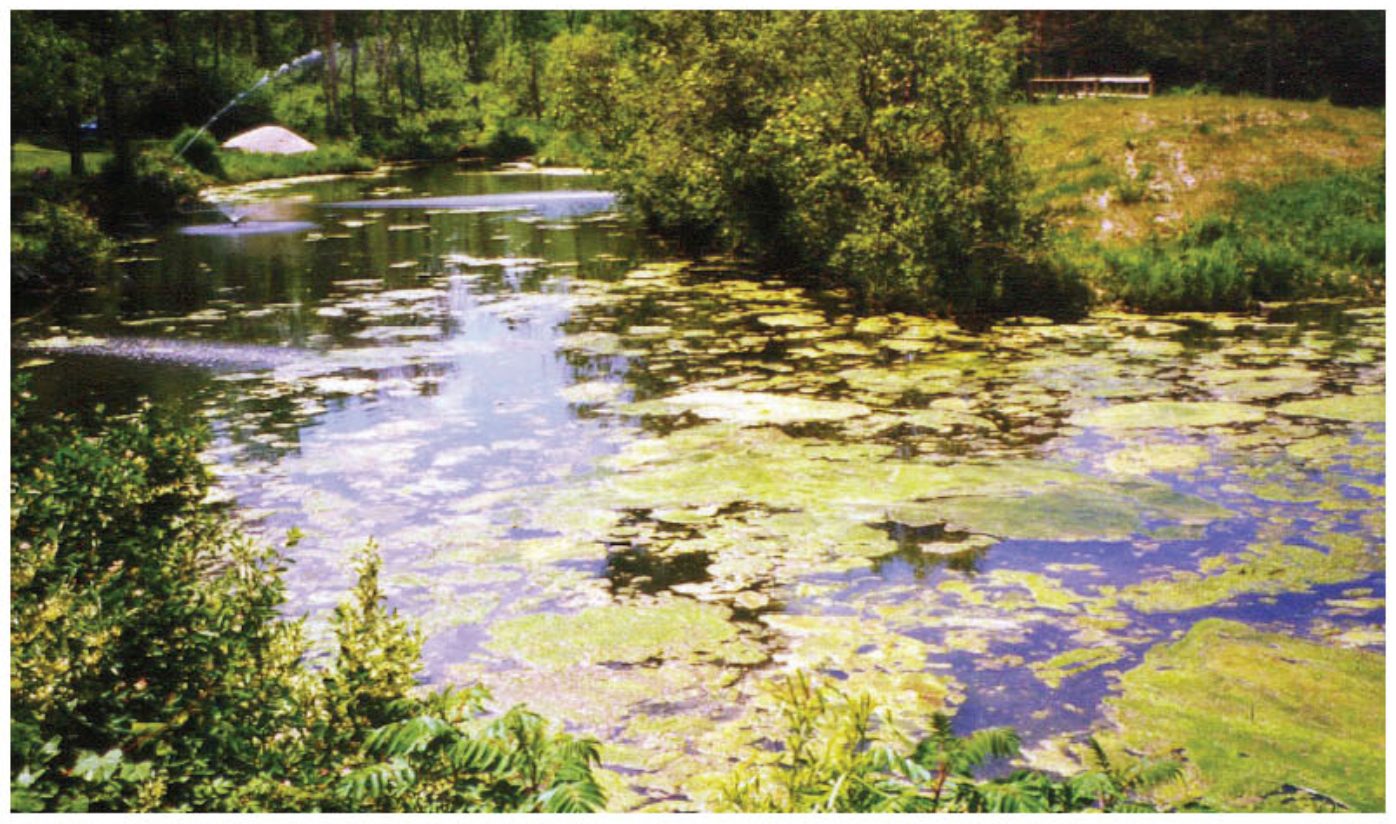
Day 0: the Wisconsin pond showed heavy algae, floating surface scum, cloudy water, and strong odor from excess organic matter and nutrient overload.
This is some text inside of a div block.

Day 0: the Wisconsin pond showed heavy algae, floating surface scum, cloudy water, and strong odor from excess organic matter and nutrient overload.

This is some text inside of a div block.
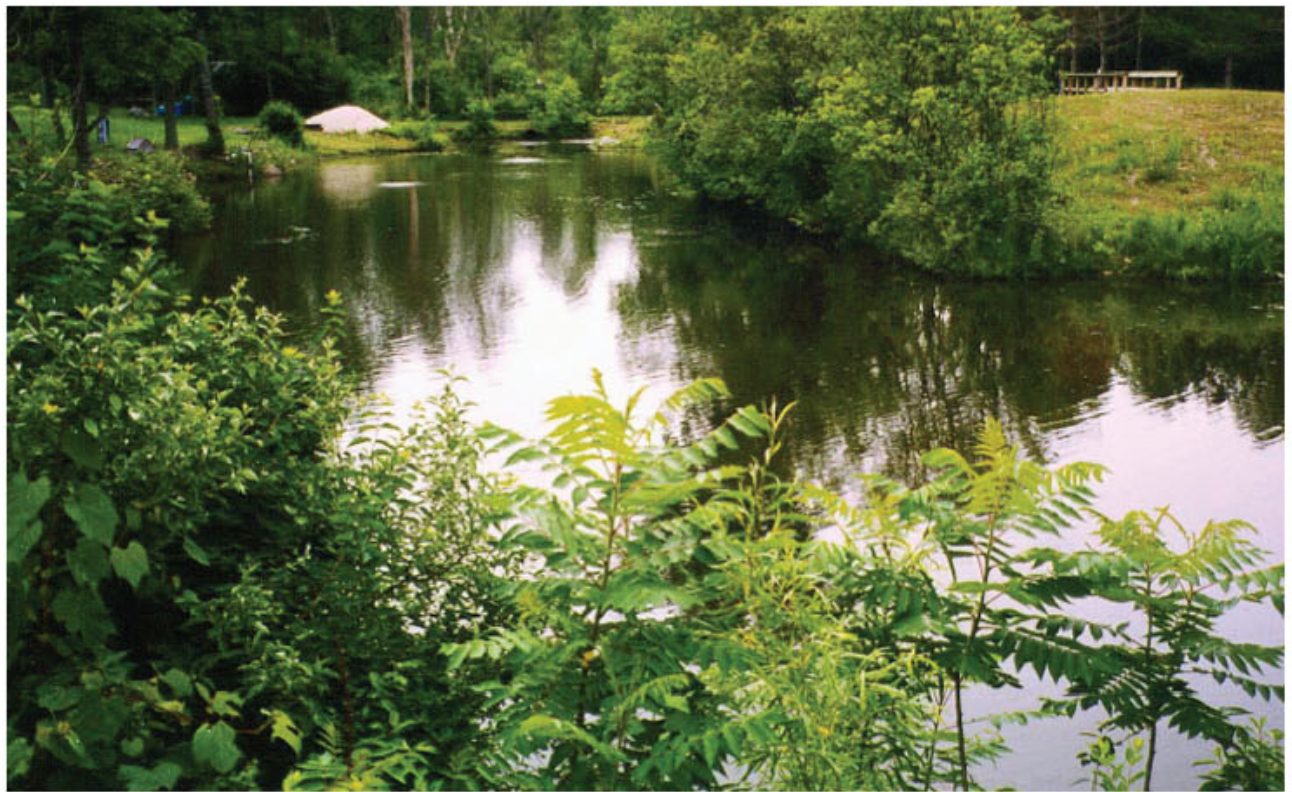
Day 14: after beneficial pond bacteria digested the excess organics and nutrients, the water ran clearer, algae and scum dropped sharply, and the odor was gone.
This is some text inside of a div block.

Day 14: after beneficial pond bacteria digested the excess organics and nutrients, the water ran clearer, algae and scum dropped sharply, and the odor was gone.

The results

Within two weeks of the first application, the pond's water clarity visibly improved, surface scum and algae pressure were sharply reduced, and the nuisance odors were gone as the accumulated organic matter and excess nutrients were biologically digested. The pond looked clearer, oxygenation improved, and the aquatic environment stabilized for the resident fish and other pond life, all without chemical algaecides or new aeration equipment. By turning nuisance organic loading into biological mineralization instead of algae food, the beneficial pond bacteria moved the pond back toward a balanced, self-sustaining state. For pond owners, lake managers, golf course and stormwater pond operators, and other freshwater professionals fighting chronic algae, scum, and odor, this shows what targeted high-CFU pond bacteria can do for water clarity.

The data

This is some text inside of a div block.
Download the complete case study (PDF)

Frequently asked questions

How do you get rid of pond algae without chemicals?

Beneficial pond bacteria reduce algae pressure indirectly, not with an algaecide. By digesting the leaves, runoff, fish waste, and muck that release nitrogen and phosphorus, they starve nuisance algae of the excess nutrients it feeds on. In this Wisconsin pond, algae and surface scum dropped sharply within two weeks as the water cleared.

What do beneficial pond bacteria do?

They colonize the water column and pond bottom and release enzymes that break down organic debris, lowering BOD, TSS, and turbidity for clearer water. As they digest that material, they draw down the excess nutrients that fuel algae and cut the odors caused by anaerobic decomposition.

How long does pond bacteria treatment take to clear a pond?

It depends on the pond and the organic load, but improvement is often visible quickly. In this recreational pond, water clarity improved and the odors were gone within about two weeks of applying high-CFU pond bacteria.

Is pond bacteria safe for fish, koi, and aquatic plants?

Yes. Pond Treat is made from naturally occurring, non-pathogenic microbes and is safe for koi, fish, shrimp, and aquatic plants when used as directed, including in recreational, fishing, and swimming ponds.

What causes pond scum and foul odors, and how do you stop them?

Surface scum and rotten-egg odors come from excess organic matter and nutrients breaking down without enough oxygen. Beneficial bacteria digest that organic load, which removes the food source for scum and cuts the hydrogen sulfide and other gases behind the smell.

Can pond bacteria reduce muck and sludge on the pond bottom?

Yes. The strains act as a natural sludge digester, breaking down settled organic muck on the pond bottom so it stops releasing nutrients and gases back into the water.

Do beneficial bacteria work for ponds, lakes, and golf course water features?

They do. High-CFU pond bacteria are used in ornamental, recreational, irrigation, farm, golf course, and stormwater ponds across a wide range of temperatures to improve clarity and reduce odor and muck.

How is Pond Treat applied?

Pond Treat (PD) is a high-CFU powder applied to the pond surface as directed for the pond's size and conditions, then reapplied on a regular schedule to keep the beneficial bacteria population active.

pond-treat

Product used in this trial

This is the product behind these results. Open its page for full specifications, packaging, and dosing rates.

Before/During/After

Have a lagoon or waste system with the same problem?

Tell us your system size and current numbers. We will recommend a starting dose and send a quote.

Request a Quote